


 Oil Prices Climb as Iran Reviews U.S. Peace Proposal Amid Middle East Tensions
  Suspicious Oil Market Trades Precede Trump's Iran Peace Post by 15 Minutes
  Asian Currencies Stay Muted as Dollar Holds Firm Amid Iran Uncertainty
  Wall Street Slides as Iran War Uncertainty, Oil Surge, and AI Fears Rattle Markets
  Federal Reserve Balance Sheet Reduction: Brookings Research Outlines Possible Path Forward
  Currency Markets Show Caution Amid U.S.-Iran Negotiations
  Gold Prices Surge on U.S.-Iran Ceasefire Reports
  U.S. Stock Futures Steady as Iran Reviews U.S. Ceasefire Proposal
  Trump Tariffs Show Minimal Economic Impact but Boost Federal Revenue, Study Finds
  WTO Reform Talks Begin in Cameroon Amid Global Trade Tensions
  Japan Eyes Oil Futures Intervention to Stabilize Yen Amid Middle East Crisis
  U.S. Oil Prices Slide as Middle East Ceasefire Talks Spark Market Optimism
  Australia's Inflation Eases in February but Core Pressures Persist
  Oil Prices Rebound as Iran Denies U.S. Talks, Middle East Tensions Persist
  UK Consumer Confidence Weakens Amid Middle East Conflict and Rising Living Costs
  Asian Currencies Weaken as Dollar Rebounds Amid Middle East Uncertainty and Japan Inflation Data


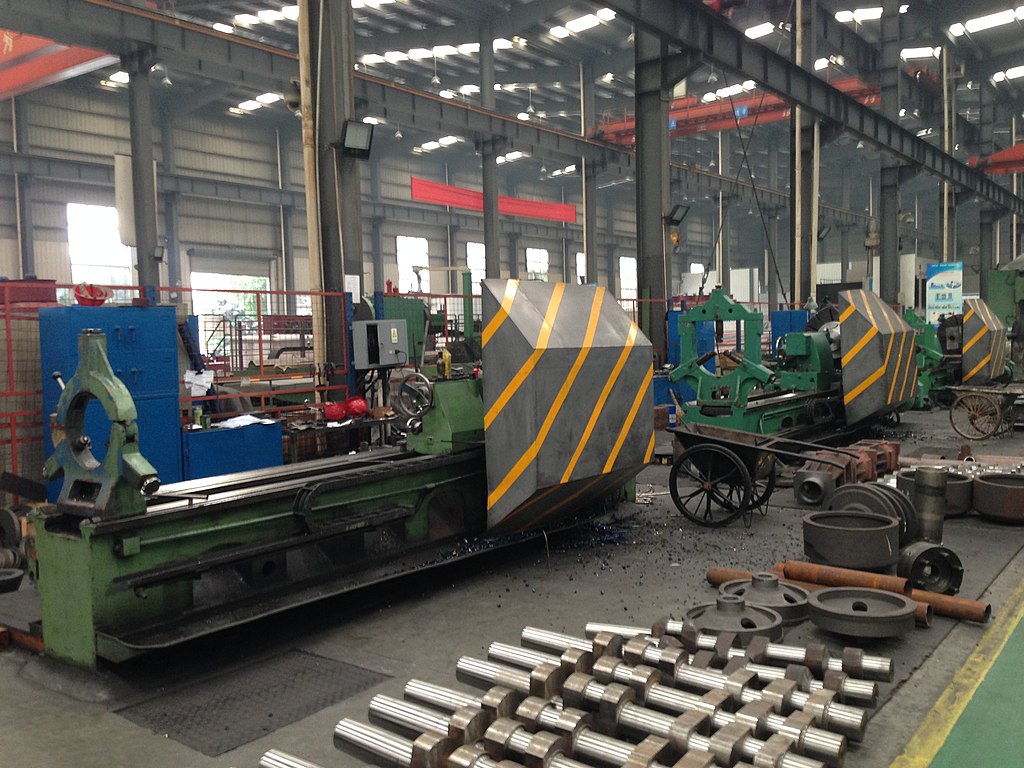
China’s manufacturing activity surged in February, marking its fastest growth in three months as new orders and increased purchasing drove production. The official Purchasing Managers’ Index (PMI) climbed to 50.2 from 49.1 in January, exceeding forecasts and signaling expansion. The non-manufacturing PMI also rose slightly to 50.4, reflecting steady growth in services and construction.
The improved figures suggest recent stimulus measures are stabilizing the world’s second-largest economy ahead of China’s annual parliamentary meeting on March 5. However, sustainability remains uncertain due to ongoing U.S.-China trade tensions. U.S. President Donald Trump announced a 10% tariff hike on Chinese goods, effective March 4, escalating pressure on Beijing to curb fentanyl trafficking. The move follows a previous 10% tariff in February, with China warning of potential retaliation.
Despite external pressures, China’s $18 trillion economy met its 2024 growth target of "around 5%." However, retail sales lagged behind exports and industrial output, while unemployment remained high. Policymakers are expected to maintain the same growth target this year, with additional fiscal spending and monetary easing to support demand.
Although new export orders and employment remained weak, job figures hit a 22-month high. Analysts note seasonal factors related to the Spring Festival may have influenced the data, and a clearer picture will emerge after trade data is released on March 7. The private Caixin PMI, expected to rise to 50.3 from 50.1, will be released on March 3.
With mounting external risks, China’s leadership has pledged to counter economic shocks. As trade tensions intensify, Beijing is seeking to resume negotiations with Washington to stabilize relations and sustain growth.













