


 Chinese AI Stocks Surge as Tencent, MiniMax, and Zhipu Launch Agentic AI Programs
  Asian Stock Markets Rise as Oil Prices Pull Back; U.S. CPI in Focus
  Nations will release an extra 400 million barrels of oil to the market. All we need to do now is not panic at the pump
  Dollar Stabilizes Amid Iran War Uncertainty as Oil Prices Remain Elevated
  Asia FX Steady as Iran War Signals and U.S. Inflation Data Weigh on Sentiment
  ANZ and Westpac Forecast Two RBA Rate Hikes in March and May 2026
  Oil Prices Surge Toward $100/Barrel After Tanker Attacks in Iraqi Waters
  Asian Markets Retreat as Oil Prices Surge Toward $100 Amid Middle East Tensions
  Iran-U.S. Oil Tensions Escalate as Revolutionary Guards Threaten Strait of Hormuz Blockade
  Gold Prices Slip as U.S.-Israel-Iran War Fuels Dollar and Oil Demand
  Dollar Strengthens Amid Oil Price Surge and Inflation Fears
  RBA Rate Decision: Deputy Governor Signals Genuine Debate Ahead of March Meeting
  Bank of Japan Expected to Hold Rates at 0.75% Before June Hike Amid Middle East War Uncertainty
  IEA Plans Record Emergency Oil Release Amid Iran Strait of Hormuz Crisis
  Trump Administration Launches Trade Investigations Against 16 Countries Over Industrial Overcapacity
  U.S. Markets Slip Amid Iran Conflict Uncertainty as Oil Prices Retreat
  IEA Releases Record 400 Million Barrels of Oil Amid U.S.-Iran War


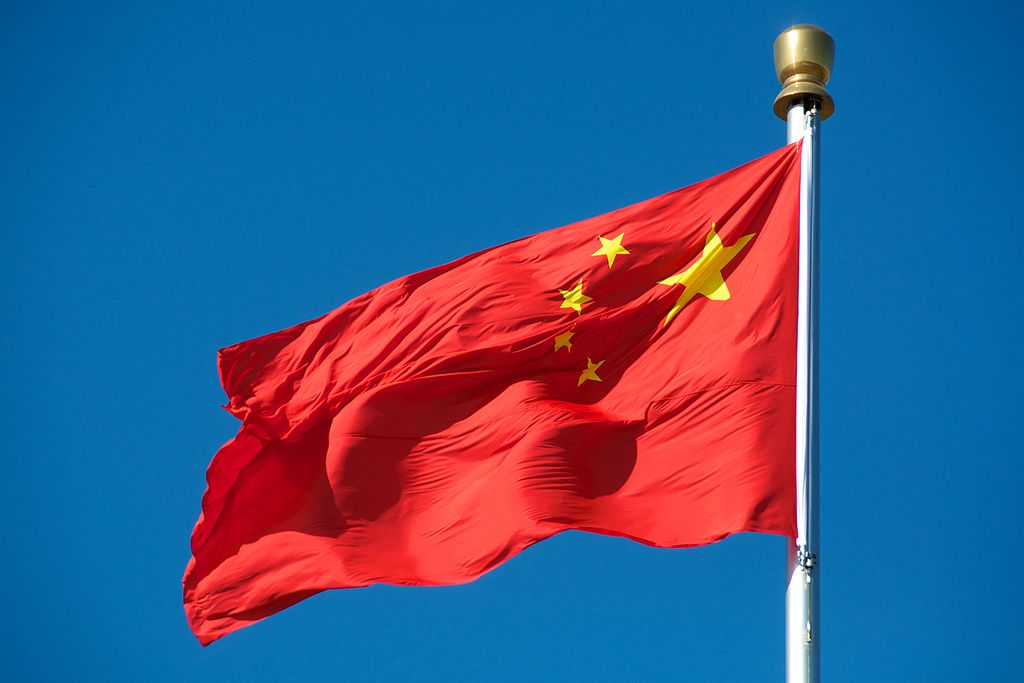
China’s position as a major financier to developing nations has undergone a significant shift over the past decade, according to new analysis released by the ONE Data initiative. Once a dominant source of development finance, China is now receiving more in debt repayments from low- and middle-income countries than it is providing in new loans, marking a major turning point in global development finance trends.
The inaugural ONE Data report reveals that new Chinese lending to poorer countries has fallen sharply, while debt-service obligations linked to past loans continue to increase. As a result, many developing economies, particularly in Africa, are experiencing net financial outflows to China. This reversal reflects the maturity of earlier lending cycles, where repayments are now outweighing fresh financing.
During the 2020–2024 period, Africa experienced the most pronounced impact. The continent shifted from a net inflow of approximately $30 billion between 2015 and 2019 to a net outflow of $22 billion, highlighting the growing strain of external debt repayments. David McNair, executive director at ONE Data, explained that reduced lending combined with ongoing debt servicing is the key driver behind these outflows.
At the same time, multilateral institutions such as development banks have stepped in to fill the financing gap. Net financing from multilateral lenders surged by 124% over the past decade and now accounts for 56% of net development finance flows, totaling $379 billion between 2020 and 2024. Once debt-service costs are considered, these institutions have become the primary source of development funding for many countries.
The report also points to a broader decline in bilateral finance and private external debt, a trend expected to worsen due to aid cuts starting in 2025. The closure of the U.S. Agency for International Development and reduced contributions from other developed nations have already affected developing economies, especially in Africa.
McNair warned that future data is likely to show a sharp drop in Official Development Assistance, creating funding challenges for public services and investment. However, he noted that reduced reliance on external financing could also encourage stronger domestic accountability within governments.













