


 Henkel in Advanced Talks to Acquire Olaplex at $2 Per Share
  Valero Port Arthur Refinery Explosion Prompts $1M Lawsuit Over Worker Safety Negligence
  AWS Bahrain Region Disrupted by Drone Activity Amid Middle East Conflict
  Lynas Rare Earths Signs Vietnam Deal with LS Eco Energy to Boost Magnet Metal Production
  Nintendo Switch 2 Production Cut as Holiday Sales Miss Targets
  Golden Dome Missile Defense: Anduril and Palantir Join Forces on Trump's $185B Space Shield
  SpaceX IPO Filing Expected This Week as Valuation Could Surpass $75 Billion
  Finnair Orders 18 Embraer E195-E2 Jets in Landmark Fleet Overhaul
  Google's TurboQuant Algorithm Sends Memory Chip Stocks Tumbling
  U.S. Stock Futures Steady as Iran Reviews U.S. Ceasefire Proposal
  Air Canada Express Plane Collides with Ground Vehicle at LaGuardia Airport
  Wall Street Slides as Iran War Uncertainty, Oil Surge, and AI Fears Rattle Markets
  CK Hutchison's Panama Ports Dispute Escalates as Arbitration Claims Surpass $2 Billion
  9 Tips for Avoiding Tax Season Cyber Scams
  Middle East War Rattles Global Markets as Oil Tops $100 and Dollar Surges
  Delivery Hero Sells Taiwan Foodpanda to Grab for $600 Million in Debt-Reduction Push


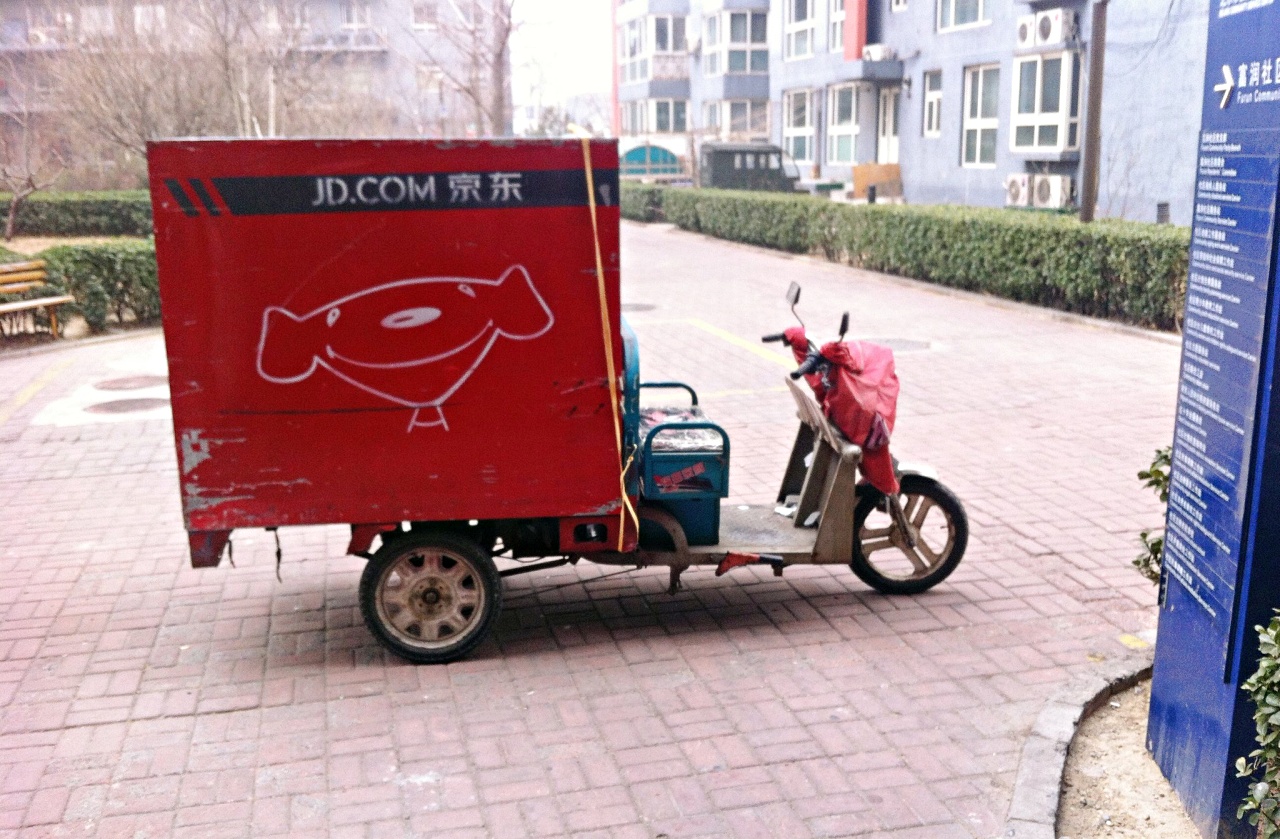
China’s leading e-commerce giants, Alibaba, JD.com, and Meituan, are escalating their battle in the fast-growing instant retail sector, pledging nearly 200 billion yuan ($28 billion) in subsidies for one-hour deliveries. The strategy, which offers near-free items like beverages and meals, highlights the critical importance of instant retail as the future of e-commerce, despite mounting government scrutiny.
Instant retail, where deliveries arrive in as little as 30 minutes, is reshaping China’s $19 trillion economy but raising regulatory alarms. Authorities fear that aggressive price-cutting could worsen deflationary pressures amid U.S. tariffs and tech export restrictions. The State Administration of Market Regulation recently summoned the companies, warning against “irrational competition” after state media condemned “zero yuan purchases” as creating a “bubble market.”
Analysts note that instant retail is growing 2.5 times faster than traditional e-commerce and projected to surpass 2 trillion yuan in sales by 2030. Industry experts predict AI-driven automation and warehouse optimization will eventually make the model profitable, potentially cannibalizing conventional e-commerce operations.
However, the price war has sparked concerns over food waste and eroded profit margins for merchants and restaurants. While consumers benefit from ultra-cheap deals, economists warn such competition lowers long-term price expectations, complicating China’s fight against deflation. Retail sales growth slowed to 4.8% in June, signaling broader economic challenges.
Despite regulatory pressure, experts believe authorities are unlikely to completely halt the price war, instead focusing on curbing excesses while preserving competition. For e-commerce firms struggling post-pandemic, instant retail remains a crucial growth engine and a life-or-death bet on their future dominance in China’s evolving digital economy.













