


 Australia-EU Free Trade Deal Signed After Years of Negotiations
  Bank of Japan Eyes April Rate Hike Despite Inflation Dip, ING Says
  Oil Prices Rebound as Iran Denies U.S. Talks, Middle East Tensions Persist
  Currency Markets Show Caution Amid U.S.-Iran Negotiations
  Oil Prices Climb as Iran Reviews U.S. Peace Proposal Amid Middle East Tensions
  U.S. Oil Prices Slide as Middle East Ceasefire Talks Spark Market Optimism
  UK Consumer Confidence Weakens Amid Middle East Conflict and Rising Living Costs
  Trump Tariffs Show Minimal Economic Impact but Boost Federal Revenue, Study Finds
  Asian Markets Rally as Oil Prices Tumble and Middle East Peace Hopes Emerge
  Oil Prices Rebound as Iran Denies U.S. Talks Amid Gulf War Supply Fears
  U.S. Stock Futures Steady as Iran Reviews U.S. Ceasefire Proposal
  Suspicious Oil Market Trades Precede Trump's Iran Peace Post by 15 Minutes
  Asian Currencies Stay Muted as Dollar Holds Firm Amid Iran Uncertainty
  U.S. Futures Slide as Iran Denies Nuclear Talks with Washington
  Middle East War Rattles Global Markets as Oil Tops $100 and Dollar Surges
  Japan Eyes Oil Futures Intervention to Stabilize Yen Amid Middle East Crisis
  Iran-Israel Missile Strikes Continue Amid Mixed Signals on U.S.-Iran Diplomacy


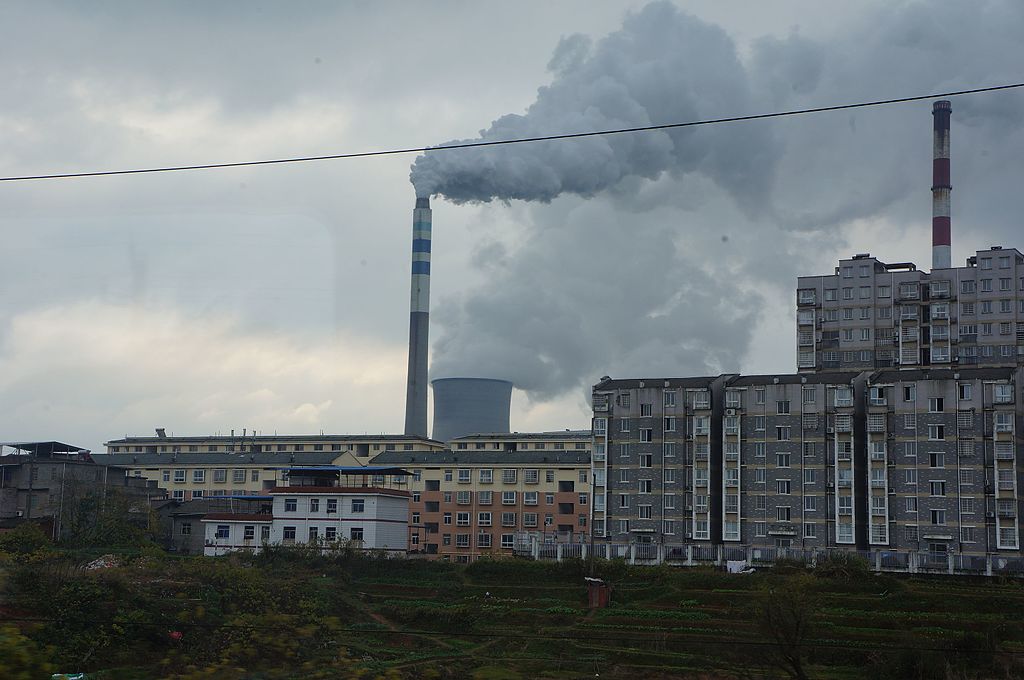
China’s major copper smelters have begun widespread maintenance shutdowns in March—an unusual move during peak demand season—due to an escalating copper concentrate shortage and plunging treatment fees. The maintenance, covering roughly 980,000 metric tons or 8% of China's annual smelting capacity, highlights the industry's struggle as overcapacity drives fierce competition for limited feedstock.
Key players like Tongling Nonferrous Metals Group, responsible for 13.5% of China’s 2023 refined copper output, launched month-long maintenance in early March. While March typically sees high output following the Lunar New Year, smelters are now prioritizing survival, attempting to ease the supply crunch and halt further declines in treatment and refining charges (TC/RCs), which turned negative in December.
With the Fastmarkets TC/RC index dropping to a record -$26.5 per ton on March 7, smelters are paying miners to process copper—a stark reversal of standard industry economics. Losses now range from 1,000 to 3,000 yuan ($138 to $414) per ton for spot cargoes, pushing many operations into the red.
Industry insiders expect further production cuts to be discussed at the upcoming China Smelters Purchase Team (CSPT) meeting on March 31. Analysts warn of potential large-scale output cuts, which could reduce China’s refined copper production and increase import demand.
Global smelters are also feeling the pinch. Glencore’s Pasar plant in the Philippines is under maintenance, and Japanese smelters, though more diversified, face pressure despite long-term contracts. The copper concentrate shortfall stems from mine disruptions like the closure of Panama’s Cobre mine and continued capacity expansions in China, further tightening supply.
As China battles smelter overcapacity and feedstock shortages, the copper market faces heightened uncertainty, with global supply and pricing implications in 2025.













