


 ShareChat Eyes 2027 IPO After Reaching Operational Profitability, Report Says
  Texas Man Charged After Fatal Tesla Full Self-Driving Crash in Katy
  Meta CEO Zuckerberg Says AI Agent Development Has Slowed Despite Massive AI Investment
  Kioxia Bets on AI Memory Boom With Next-Gen NAND Production in Japan
  Bank of America Upgrades T-Mobile to Buy, Says LEO Satellite Fears Are Overdone
  Anthropic Tightens AI Access Controls After Reports of China-Based Workarounds
  Tesla Q2 Deliveries Lift Chinese Auto Suppliers as EV Demand Improves
  OpenAI Proposes 5% U.S. Government Stake Amid AI Policy Talks
  Switch Seeks $2 Billion Funding at Nearly $50 Billion Valuation Ahead of Potential IPO
  Samsung to Invest $90 Billion in South Korea to Expand AI Chip, Display, and Battery Production
  Meta Cloud Ambitions Could Challenge AWS, Azure, and Google Cloud, Says Morgan Stanley
  BHP Workers Approve New Labour Agreement at WA Iron Ore Operations
  EU Chip Industry Faces Growing Risks From China Export Controls and U.S. Technology Dependence: Report
  Super Micro Employees Detained in Taiwan AI Server Export Investigation
  Sodexo Raises 2026 Revenue Outlook After Strong Q3 Sales Beat


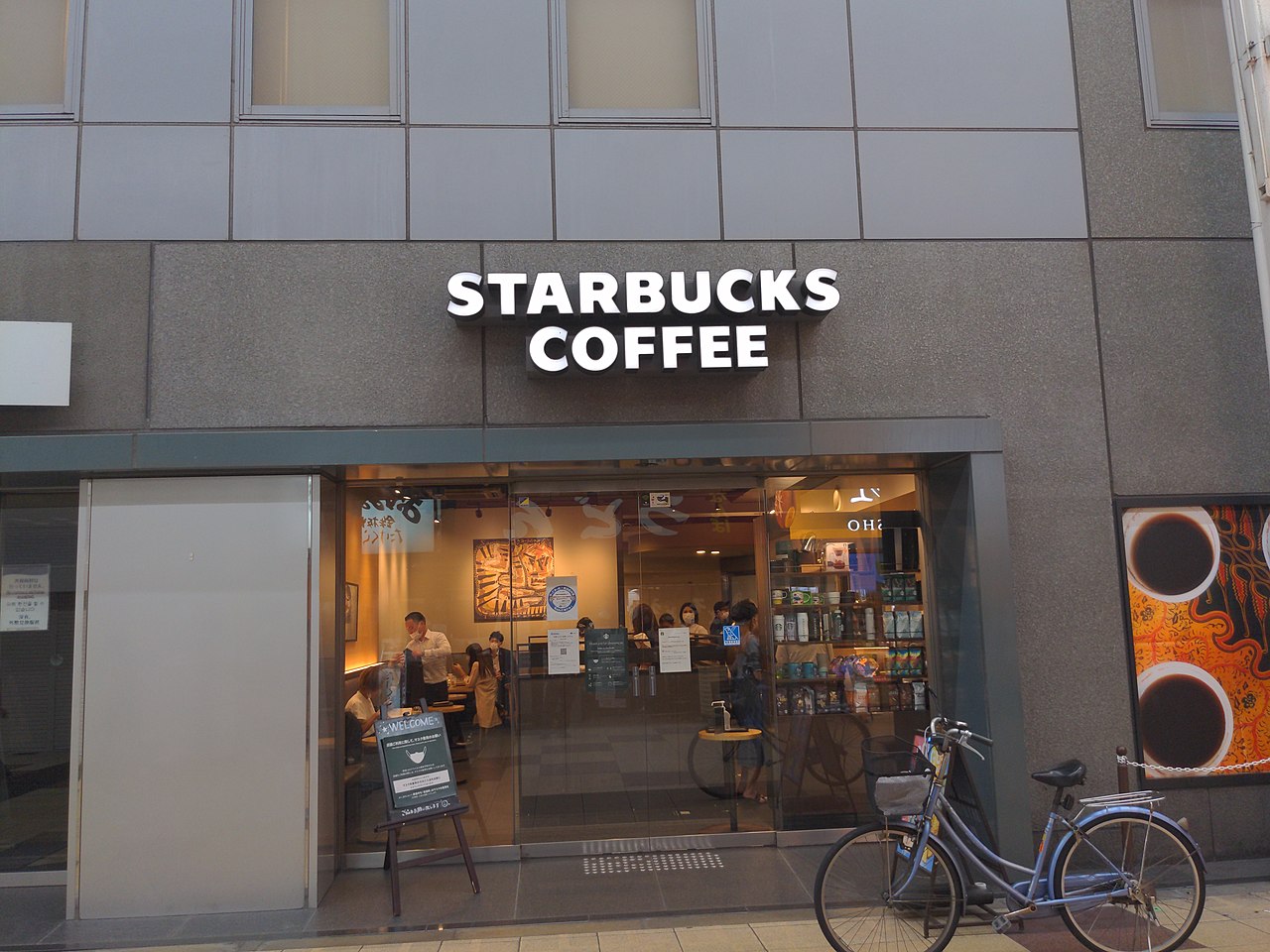
China's increasing appetite for coffee presents a lucrative opportunity for international chains like Starbucks and Tim Hortons. Despite fierce competition from local brands, these chains continue investing heavily in China, aiming to capture a significant market share.
Strong Presence of International Chains
Starbucks, based in the United States, has rapidly expanded its footprint in China. Reuters reported that with the opening of 700 stores in the past year alone, the company remains on track to operate approximately 9,000 stores in the country by 2025.
Meanwhile, Tim Hortons, a Canadian chain, has set its sights on establishing 3,000 stores across China within four years, per Channel News Asia.
The battle for dominance in China's coffee market is intense, with local and foreign chains relentlessly opening branded stores. In the past year, the number of branded coffee shops in China grew by a staggering 58%, reaching 49,691 outlets.
Chinese chain Luckin Coffee is leading the pack, adding an impressive 5,059 stores during this period. Cotti Coffee, another local chain, also made its mark by opening 6,004 outlets.
Chief Executive Jinyi Guo of Luckin Coffee emphasizes their target of capturing more market share. This is evident through their rapid store openings in smaller Chinese cities with substantial populations.
Matthew Barry, a beverages analyst for Euromonitor, explains that competition between local and international chains is fierce as each one vies for a significant market share. This heightened competitiveness is driven by the rapid growth of coffee consumption in China. Analysts project that the expanding middle class in numerous mid-sized cities will further drive this demand.
Growing Coffee Culture in China
China's growing coffee culture reflects its shifting preferences towards Western lifestyles. Market research firm Kantar Worldpanel's Greater China Managing Director, Jason Yu, states that coffee has become a symbol of adopting Western trends among Chinese consumers. As a result, coffee consumption in the country grew by 15% during the year-long season, totaling 3.08 million bags.
While China's coffee consumption still lags behind top consumers like the United States and Brazil, the growing demand signals a cultural shift akin to tea-loving Asian countries such as Japan and South Korea. As more young professionals in mid-sized cities warm up to coffee, analysts project that this trend will drive future coffee demand in China.








