


 RBI Holds Repo Rate at 5.25% as India’s Growth Outlook Strengthens After U.S. Trade Deal
  Gold and Silver Prices Slide as Dollar Strength and Easing Tensions Weigh on Metals
  U.S. Stock Futures Slide as Tech Rout Deepens on Amazon Capex Shock
  Oil Prices Slip as U.S.-Iran Talks Ease Middle East Tensions
  South Africa Eyes ECB Repo Lines as Inflation Eases and Rate Cuts Loom
  U.S.-India Trade Framework Signals Major Shift in Tariffs, Energy, and Supply Chains
  Dollar Near Two-Week High as Stock Rout, AI Concerns and Global Events Drive Market Volatility
  Indian Refiners Scale Back Russian Oil Imports as U.S.-India Trade Deal Advances
  Australian Household Spending Dips in December as RBA Tightens Policy
  China Extends Gold Buying Streak as Reserves Surge Despite Volatile Prices
  Asian Stocks Slip as Tech Rout Deepens, Japan Steadies Ahead of Election
  Singapore Budget 2026 Set for Fiscal Prudence as Growth Remains Resilient
  Trump Signs Executive Order Threatening 25% Tariffs on Countries Trading With Iran
  Trump’s Inflation Claims Clash With Voters’ Cost-of-Living Reality
  Yen Slides as Japan Election Boosts Fiscal Stimulus Expectations
  Bank of Japan Signals Readiness for Near-Term Rate Hike as Inflation Nears Target


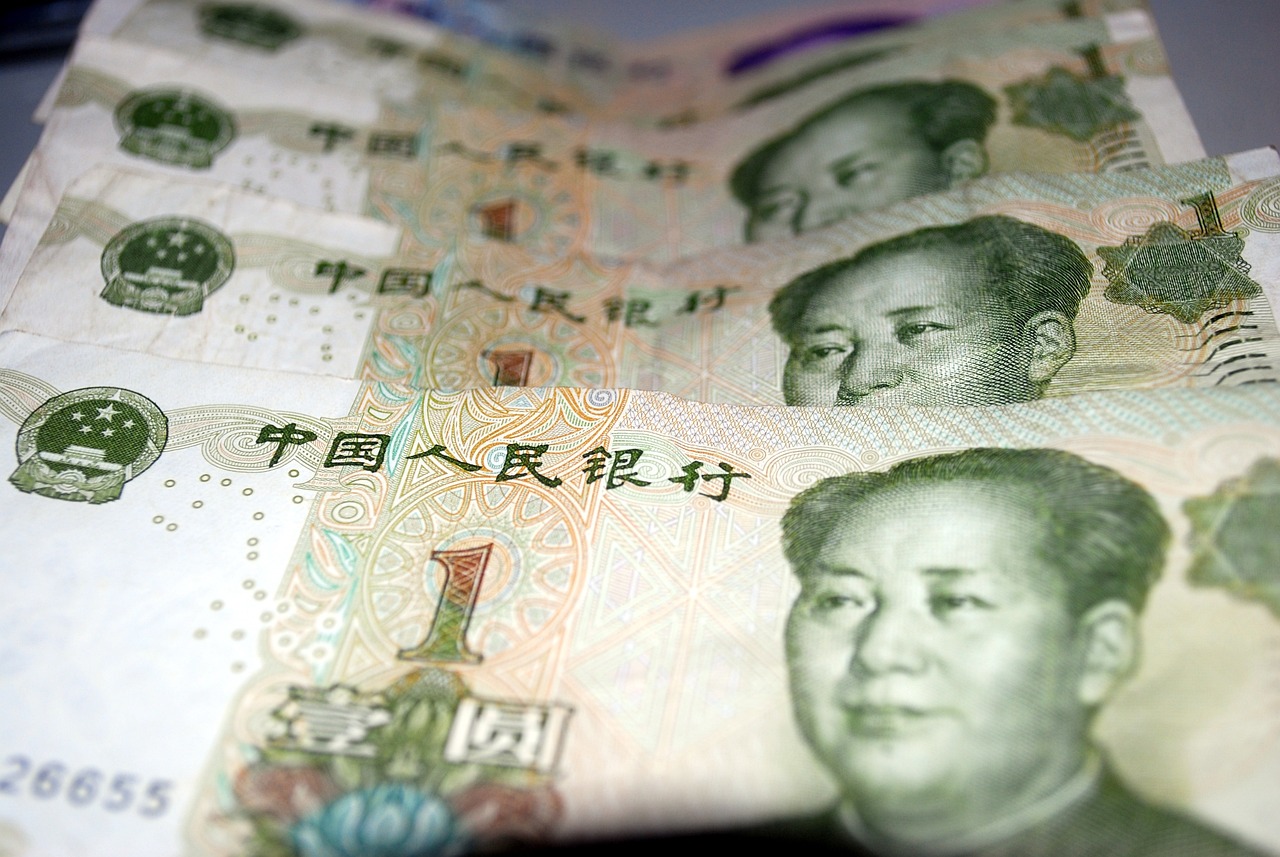
China’s Economic Stimulus: A Comprehensive Plan
China is set to bolster its struggling economy by potentially raising an additional 6 trillion yuan ($850 billion) through special treasury bonds over the next three years. This strategy aims to enhance fiscal stimulus, as reported by Caixin Global on October 14, 2024.
Increased Debt to Stimulate Growth
Finance Minister Lan Foan announced that Beijing will significantly increase its debt to stimulate economic activity. While this declaration has ignited investor interest, the lack of specifics on the size and timing of these measures has led to disappointment. In September 2024, it was reported that China plans to issue 2 trillion yuan ($285 billion) in special sovereign bonds this year as part of its fiscal strategy.
Economic Concerns and Growth Targets
Recent economic data, including trade and lending figures, have raised concerns that China may not meet its growth target of approximately 5% for the year. The property sector's downturn since 2021 has severely impacted local government revenues, revealing an overreliance on land sales to developers for income.
Market Reactions and Expectations
Chinese stock markets initially surged on speculation about the fiscal package but experienced a setback due to the absence of clear details. Analysts believe that the proposed 6 trillion yuan in debt could stabilize economic growth, enhancing the likelihood of achieving the government’s growth targets for 2024 and 2025. Bruce Pang, chief China economist at Jones Lang LaSalle, stated that such measures would significantly increase the probability of reaching the desired growth rate.
Strategic Use of Funds
The anticipated funds are expected to assist local governments in managing off-the-books debts, provide subsidies to low-income households, support the property market, and replenish state bank capital. At the annual parliamentary meeting in March 2024, Premier Li Qiang indicated that ultra-long-term treasury bonds would be issued to fund significant national projects. China's current plans involve issuing 1 trillion yuan in such bonds this year, with expectations for an increase at upcoming legislative meetings.













