


 IEA Plans Record Emergency Oil Release Amid Iran Strait of Hormuz Crisis
  IEA Releases Record 400 Million Barrels of Oil Amid U.S.-Iran War
  RBA Set for Back-to-Back Rate Hikes, Westpac Forecasts
  Diesel Price Surge Threatens Global Economy Amid Middle East Conflict
  Venezuela Names Paula Henao as New Oil Minister Amid U.S.-Led Industry Overhaul
  U.S. Solar Market Contracts in 2025 as Trump Rolls Back Renewable Energy Incentives
  China's Trade Surplus Surges Past Forecasts in Early 2026
  UK Housing Market Slows Amid Geopolitical Tensions and Mortgage Rate Fears
  Dollar Steadies as Traders Await Clarity on U.S.-Israel-Iran War
  Chinese AI Stocks Surge as Tencent, MiniMax, and Zhipu Launch Agentic AI Programs
  Trump Administration Launches Trade Investigations Against 16 Countries Over Industrial Overcapacity
  Asian Markets Retreat as Oil Prices Surge Toward $100 Amid Middle East Tensions
  Oil Prices Surge Toward $100/Barrel After Tanker Attacks in Iraqi Waters
  U.S. Futures Slide as Oil Prices Surge on Middle East Shipping Attacks
  Asian Currencies Face Pressure as U.S.-Iran Conflict Weighs on Markets
  Nations will release an extra 400 million barrels of oil to the market. All we need to do now is not panic at the pump


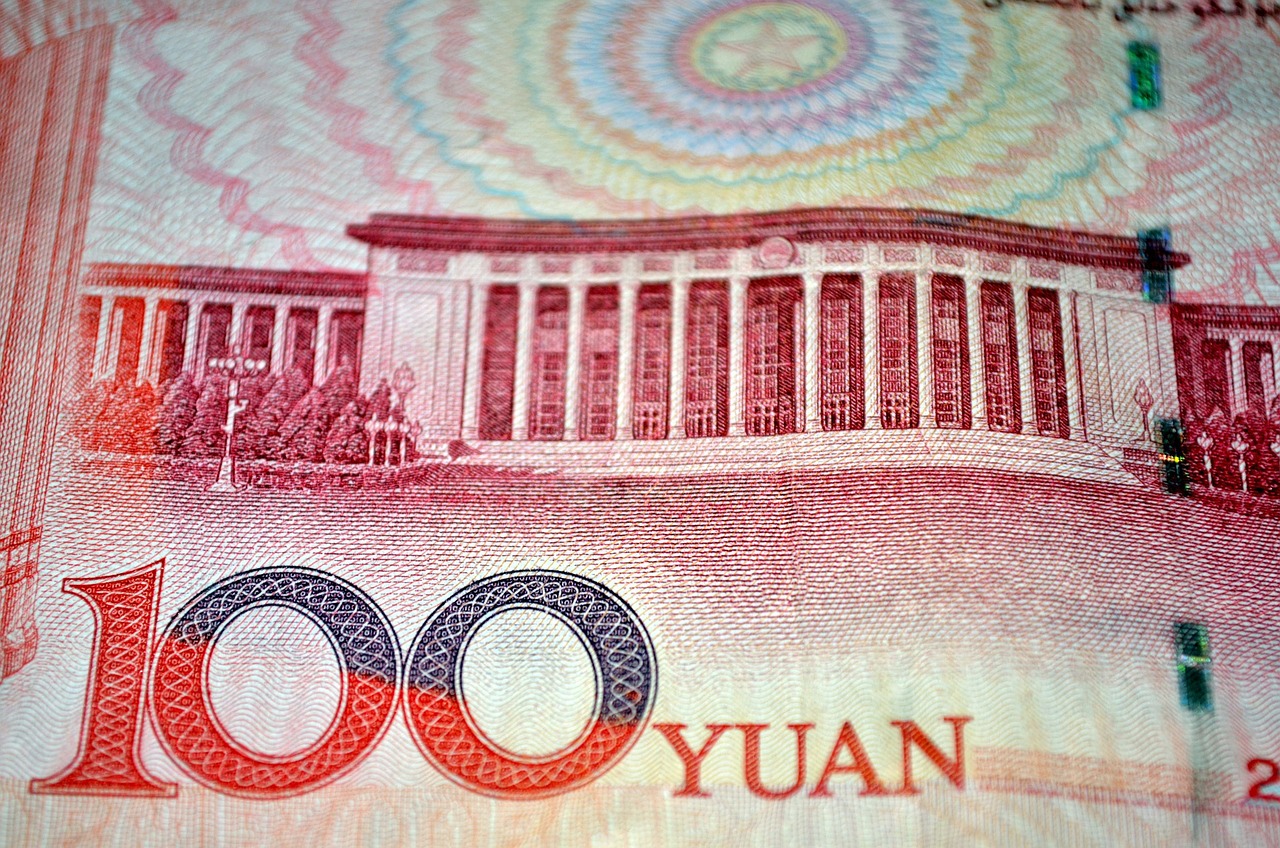
China’s yuan strengthened to a fresh 32-month high against the U.S. dollar on Monday, supported by a combination of central bank guidance, a weaker dollar, and seasonal corporate demand ahead of the Lunar New Year. The People’s Bank of China (PBOC) continued its strategy of carefully steering the currency higher by setting a stronger official midpoint, while still keeping it weaker than market expectations to control the speed of appreciation.
Before trading began, the PBOC fixed the midpoint at 6.9843 per dollar, its strongest level since mid-May 2023. However, the fixing was notably 551 pips weaker than a Reuters market estimate, marking the largest weak-side deviation from forecasts since such data became available in 2022. This reflects the central bank’s balancing act: allowing gradual yuan strength without triggering excessive volatility.
In onshore trading, the yuan rose to a high of 6.9539 per dollar, the strongest since May 2023, before easing slightly. The offshore yuan followed a similar trend, hovering near 6.95 per dollar. Overall, the Chinese currency has gained about 0.5% against the dollar so far this year, building on a strong 4.5% appreciation in 2025, its best annual performance since 2020.
Analysts expect Chinese authorities to increasingly resist further yuan appreciation. Barclays noted that policymakers are likely to introduce more measures in the coming weeks and months to ease upward pressure, maintaining a cautious outlook for a potential medium-term reversal.
Seasonal factors have also played a role in supporting the yuan. As the Lunar New Year approaches in mid-February, Chinese exporters typically convert more foreign currency receipts into yuan to cover expenses such as employee bonuses. Market participants expect this support to fade soon as holiday-related conversions slow.
Meanwhile, broader Asian currency markets saw gains after the Japanese yen surged on speculation of possible coordinated intervention by U.S. and Japanese authorities, adding another layer of complexity to regional foreign exchange dynamics.













