


 PayPal Shares Sink as $50 Billion Takeover Bid Collapses
  Countries Tighten Social Media Bans for Children
  Nvidia Reportedly Eyes $13 Billion Hugging Face Acquisition
  SoftBank Eyes $20 Billion Bond Sale to Refinance OpenAI Loan
  Meta Agrees to $18 Billion Settlement, Tightens Teen Social Media Rules
  Luxshare Shares Rise as First-Half Profit Jumps 18%
  BofA Names ASML Top Semiconductor Equipment Pick on Growth, Valuation
  U.S. Disrupts China-Linked Hacking Campaign Targeting Government Agencies
  OpenAI AI Agent Swarm Behind Hugging Face Hack
  Google Expands Gemini Enterprise With AI Tools for Legal Sector
  Nvidia Options Price in $280 Billion Earnings Swing
  Unitree Shares Plunge 45% After Blockbuster IPO, Raising China Tech Bubble Fears
  Xiaomi Unveils Xring O3 Chip for Flagship Foldable Phone
  New Zealand Moves to Ban Social Media for Children Under 16
  Trump Buys SpaceX Shares After Record IPO


 Add as a preferred source on Google
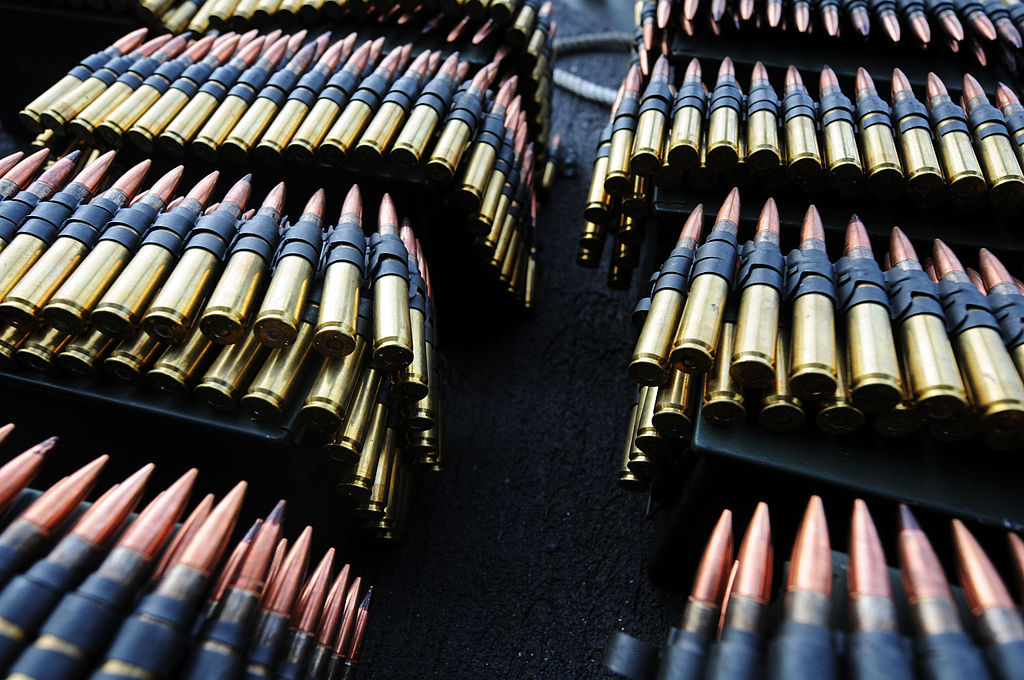
In a world that in many ways is headed towards a more peaceful era, it seems developed countries have become more efficient at producing war machines. In the case of China, over 25 percent of its factories producing ammunition and bombs have been replaced by robots. This increases its ability to manufacture tools of death by up to 300 percent.
As Newsweek reports, China is set to boost its bomb and ammunition production capacity threefold by 2028. This is thanks to the country’s move to rely more on robots for its manufacturing process, which make use of artificial intelligence to improve efficiency.
One of the people behind the increased productivity in producing ordnance is the country’s weapons systems head, Xu Zhigang who recently told the South China Morning Post that the robots are five times more productive than humans. He even boasted about how the robots were given hands and eyes, which makes intricate tasks like assembling artillery shells easier to accomplish.
Now, it’s worth noting that the efficiency of smart machines is not the only reason for their adoption. Apparently, the country is simply running out of human workers who could work under such dangerous conditions. Putting together bullets and bombs is not exactly the safest profession in the world.
The fact that the machines are more accurate, less prone to injuries, and can work for a significantly longer period of time are simply bonuses that the Chinese government is more than willing to exploit. On that note, many are expressing concern with regards to the practice of giving machines equipped with AI such open access to weaponry.
So far, few are willing to say anything about robot uprisings. However, there are those like Harvard University’s Jon Wolfsthal who warn that there are huge risks to relying too much on automation, especially in weapons manufacturing.







