


 U.S. Calls for Reassessment of International Aid to Taliban-Ruled Afghanistan
  UK Housing Market Slows Amid Geopolitical Tensions and Mortgage Rate Fears
  Dollar Stabilizes Amid Iran War Uncertainty as Oil Prices Remain Elevated
  U.S. Markets Slip Amid Iran Conflict Uncertainty as Oil Prices Retreat
  IEA Releases Record 400 Million Barrels of Oil Amid U.S.-Iran War
  Taiwan's MQ-9B SkyGuardian Drone Order Stays on Schedule Despite Middle East Conflict
  Iran-Israel War Sparks Global Oil Crisis as Tankers Burn in Gulf Waters
  Asian Stock Markets Rise as Oil Prices Pull Back; U.S. CPI in Focus
  Iran-U.S. Oil Tensions Escalate as Revolutionary Guards Threaten Strait of Hormuz Blockade
  Trump Announces New U.S. Oil Refinery in Texas with Indian Energy Giant Reliance
  Bank of Japan Expected to Hold Rates at 0.75% Before June Hike Amid Middle East War Uncertainty
  IEA Plans Record Emergency Oil Release Amid Iran Strait of Hormuz Crisis
  U.S.-Israel War on Iran Sends Crude Oil Prices Surging Amid Strait of Hormuz Tensions
  Shots Fired at U.S. Consulate in Toronto in Suspected National Security Incident
  U.S. and Russia Hold Diplomatic Talks in Florida Amid Ongoing Tensions
  RBA Set for Back-to-Back Rate Hikes, Westpac Forecasts
  Pentagon Taps Wall Street Talent to Manage $200 Billion Defense Investment Fund


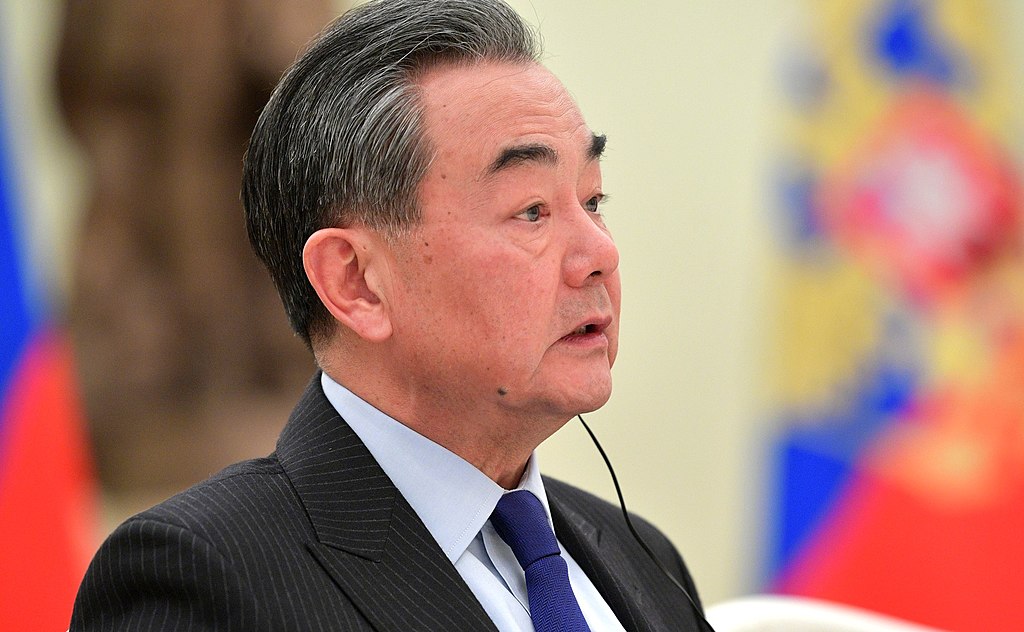
China has expressed a willingness to deepen cooperation with Canada while working to eliminate what it describes as “interference,” signaling a potential reset in bilateral relations after years of strain. The message was delivered by Chinese Foreign Minister Wang Yi during a meeting with Canadian Foreign Minister Anita Anand in Beijing on Thursday, according to statements cited by Canada’s prime minister’s office.
The comments came shortly after Canadian Prime Minister Mark Carney arrived in the Chinese capital for a four-day state visit, marking the first official visit by a Canadian head of government to China in nearly a decade. During the trip, Carney is scheduled to meet Chinese Premier Li Qiang later Thursday and President Xi Jinping on Friday, underscoring the importance both sides appear to place on restoring dialogue at the highest levels.
Wang told Anand that China is prepared to enhance communication, build mutual trust, remove obstacles to cooperation, and strengthen bilateral ties in a way that keeps relations “steady, substantive and robust.” Anand responded by emphasizing Canada’s commitment to continued progress in both the short and long term, highlighting the potential benefits for citizens in both countries.
Canada–China relations have been strained since 2017, with diplomatic tensions flaring periodically. A notable recent dispute followed the Canadian government’s decision in 2024 to impose tariffs on Chinese electric vehicles, mirroring similar measures taken by the United States. Beijing responded in March with retaliatory tariffs on more than $2.6 billion worth of Canadian agricultural and food products, including canola oil and meal.
The trade dispute had a measurable economic impact. Chinese customs data released this week showed that imports of Canadian goods fell by 10.4% in 2025, reflecting the broader consequences of the tariff battle.
Recent diplomatic engagement suggests both countries are now seeking to turn the page. Momentum for re-engagement has also been driven by Canada’s desire to diversify export markets amid heightened trade friction with the United States. U.S. President Donald Trump’s tariffs on Canadian goods last year, along with controversial remarks about Canada’s status, have added urgency to Ottawa’s efforts to strengthen economic and diplomatic ties with other major partners, including China.













