


 Oil Prices Rise as US-Iran Tensions Renew Strait of Hormuz Supply Fears
  Gold Prices Slide as Treasury Yields Surge, Fed Minutes in Focus
  Colombia Earthquake Losses Estimated at $9.58 Billion as Reconstruction Challenge Mounts
  Fed Holds Interest Rates Steady as Kevin Warsh Says Rising Treasury Yields Tighten Financial Conditions
  Asian Stocks Slide as Chip Selloff and High Bond Yields Hit Markets
  Asian Currencies Rise as Dollar Hovers Near Multi-Month Lows
  Citadel Warns High Treasury Yields Pose Broader Market Risks
  BOJ Minutes Signal More Rate Hikes as Inflation Risks Grow
  Singapore Central Bank’s Exchange Rate Policy Explained: Why MAS Uses the S$NEER Instead of Interest Rates
  Eurozone Bond Yields Fall as Oil Slump Eases Inflation Fears Ahead of Central Bank Meetings
  Asian Chip Stocks Plunge as Bond Yields Fuel AI Valuation Fears
  Dollar Slides as Soft U.S. Data Cuts Fed Rate Hike Bets
  Wall Street Slides as Treasury Yields Surge to 19-Year High
  Japan Economy Minister Downplays Inflation Risks Despite BOJ Warning
  Wall Street Falls as Oil Prices Rise, Fed Minutes and Retail Earnings in Focus
  Australian Consumer Sentiment Jumps 6% in August as Rate Outlook Improves


 Add as a preferred source on Google
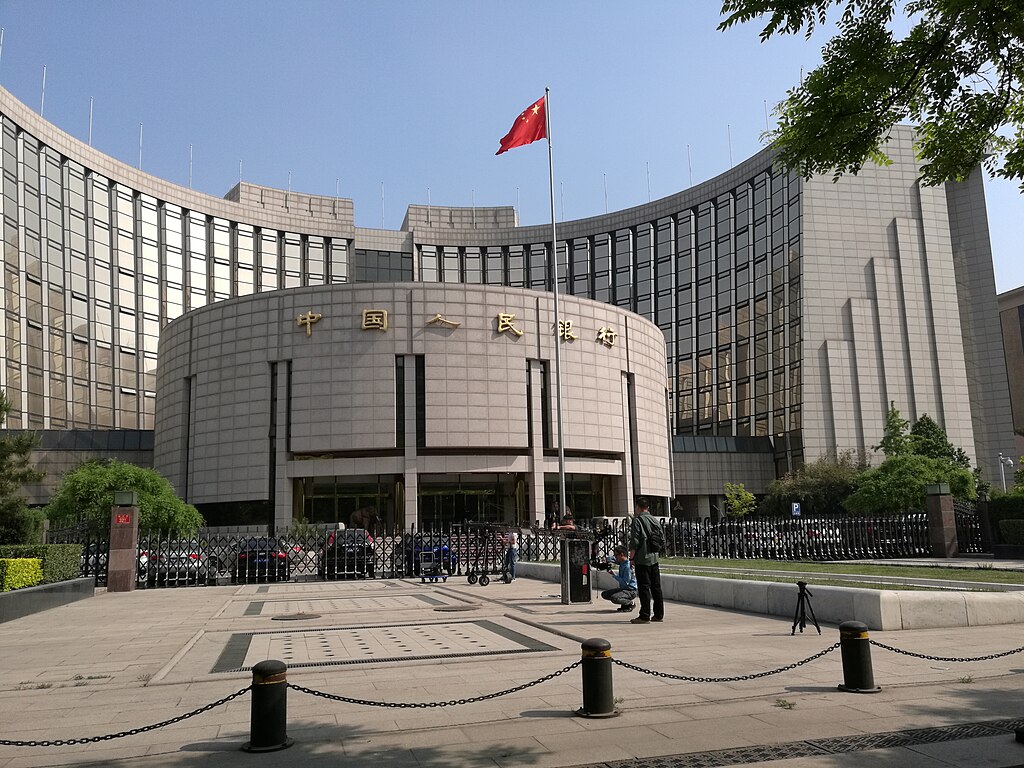
China is expected to keep its benchmark lending rates unchanged in August for the 15th consecutive month, despite fresh economic data highlighting persistent weakness in domestic demand.
A Reuters survey of 25 market participants found unanimous expectations that the People’s Bank of China (PBOC) will leave the one-year loan prime rate (LPR) at 3.00% and the five-year LPR at 3.50% at Thursday’s monthly fixing.
China’s loan prime rates, which serve as key benchmarks for corporate and household borrowing, are determined based on rate proposals submitted by 20 designated commercial banks to the PBOC each month.
Expectations for unchanged China interest rates come even as July economic indicators point to slowing momentum. Data covering industrial production, retail sales and credit growth showed continued pressure on domestic demand in the world’s second-largest economy.
Economists believe Beijing is more likely to rely on fiscal stimulus and faster government spending to support economic growth in the near term rather than introduce another round of monetary easing.
Citi analysts said the policy focus is expected to remain on fiscal measures, with few indications that the PBOC will deliver an outright LPR cut this month.
At the July Politburo meeting, Chinese leaders pledged to accelerate fiscal spending on infrastructure projects already included in the government budget. The strategy suggests Beijing is prioritizing the implementation of existing measures instead of launching a major new stimulus package.
The PBOC also said last week that it would maintain an “appropriately loose” monetary policy and introduce practical measures when necessary. However, the central bank did not explicitly signal upcoming cuts to policy interest rates or the reserve requirement ratio for banks.
Meanwhile, Chinese commercial banks received a modest boost as their net interest margin, an important gauge of banking profitability, rose by 0.01 percentage point to 1.41% in the second quarter. It was the first quarterly improvement since 2022, although margins remain near historically low levels.







