


 Anthropic Sues Pentagon Over AI Blacklist, Citing Free Speech Violations
  Trump Doubts Iran Mining Reports as Strait of Hormuz Tensions Escalate
  Russian Drone Strikes Hit Kharkiv and Dnipro, Injuring Over 20 Civilians
  Asian Markets Retreat as Oil Prices Surge Toward $100 Amid Middle East Tensions
  German Exports Drop 2.3% in January, Exceeding Forecast Decline
  Trump Announces New U.S. Oil Refinery in Texas with Indian Energy Giant Reliance
  Iran-Israel War Sparks Global Oil Crisis as Tankers Burn in Gulf Waters
  Nations will release an extra 400 million barrels of oil to the market. All we need to do now is not panic at the pump
  IEA Releases Record 400 Million Barrels of Oil Amid U.S.-Iran War
  RBA Set for Back-to-Back Rate Hikes, Westpac Forecasts
  U.S. Futures Slide as Oil Prices Surge on Middle East Shipping Attacks
  Iran-U.S. Oil Tensions Escalate as Revolutionary Guards Threaten Strait of Hormuz Blockade
  U.S. Solar Market Contracts in 2025 as Trump Rolls Back Renewable Energy Incentives
  Trump Administration Spent $5.6 Billion in Munitions in Opening Days of Iran Strikes
  U.S. Patriot Missiles Redeployed From South Korea Amid Middle East Conflict
  FBI Warns of Possible Iranian Drone Attacks on California Amid U.S.-Iran War
  U.S. Senate Greenlights AI Chatbots for Official Staff Use


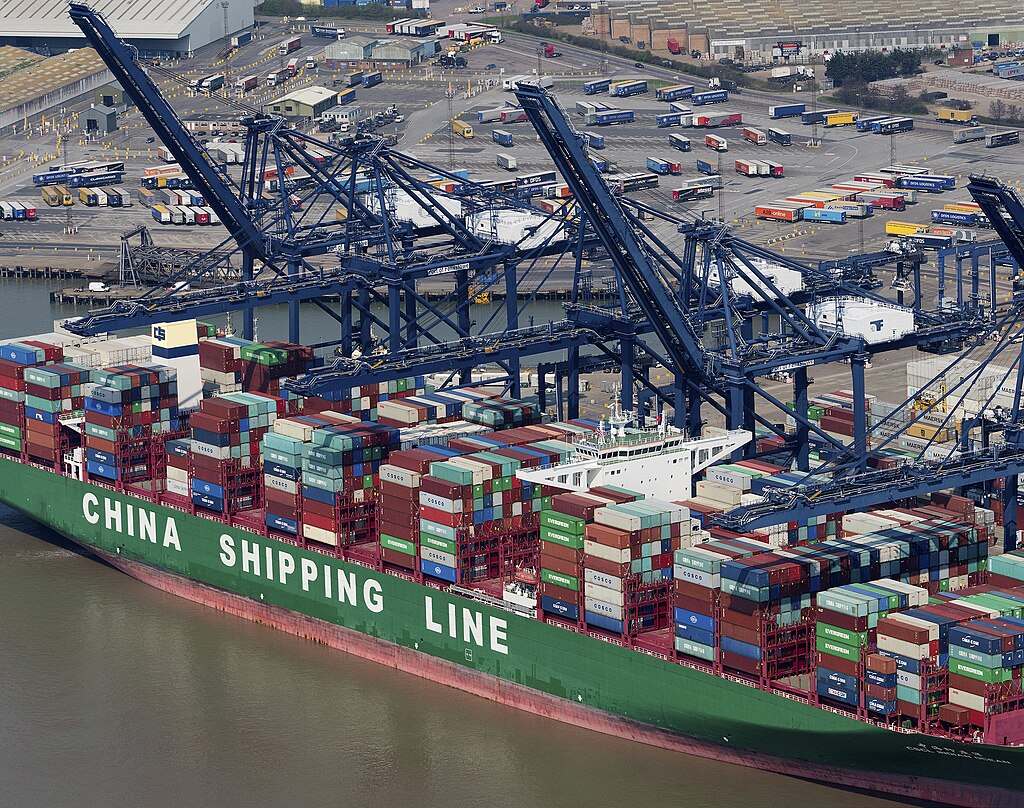
China’s commerce ministry announced that it is conducting a “full assessment” of the recent U.S. Supreme Court tariff ruling while urging Washington to remove what it described as “relevant unilateral tariff measures” imposed on trading partners. The statement comes amid renewed uncertainty in U.S.-China trade relations and escalating tensions tied to President Donald Trump’s tariff policies.
The U.S. Supreme Court recently struck down several tariffs introduced by President Trump as part of his broader global trade war strategy, including measures targeting China. The ruling marked a significant legal setback for the administration, raising questions about the future of U.S. trade policy and the legality of certain executive-imposed import duties.
Despite the court’s decision, Trump quickly responded by announcing a new 10% duty on all U.S. imports, a rate that was later increased to 15%. The move signaled the administration’s determination to continue leveraging tariffs as a key trade tool, even as legal challenges persist. The Chinese commerce ministry criticized the approach, stating that U.S. unilateral tariffs violate international trade rules and domestic U.S. law, and do not serve the interests of any party involved.
Beijing also noted that Washington appears prepared to maintain tariffs through alternative channels, including trade investigations and other legal mechanisms. China emphasized that it will closely monitor these developments and take necessary steps to safeguard its economic interests. The statement reflects ongoing friction between the world’s two largest economies, with both sides seeking to protect domestic industries while navigating complex legal and diplomatic pressures.
The latest developments unfold just ahead of President Trump’s planned visit to China from March 31 to April 2, where he is expected to meet with Chinese leaders for high-level discussions. The meeting is widely anticipated as a critical moment for U.S.-China trade negotiations, with global markets watching closely for signs of progress or further escalation in the trade dispute.













