


 Bachelet Pushes Forward With UN Secretary-General Bid Despite Chile's Withdrawal
  Russia Strikes Kharkiv and Izmail as Cross-Border Drone War Escalates
  US Accelerates Taiwan Arms Deliveries Amid Rising China Threat
  Iran-Israel Missile Strikes Continue Amid Mixed Signals on U.S.-Iran Diplomacy
  US-Iran Ceasefire Talks Underway: What You Need to Know
  Russia-Iran Military Alliance Deepens With Drone Shipments Amid Middle East Tensions
  U.S.-Iran Peace Talks Gain Momentum Amid Ongoing Conflict
  Trump's Overhaul of American History: Museums, Monuments, and Cultural Institutions
  Iran-U.S. Negotiations: Tehran Reviews American Peace Proposal Amid Ongoing Gulf Conflict
  FEMA Reinstates $1 Billion Disaster Prevention Grant Program After Court Order
  G7 Foreign Ministers Gather in France Amid Global Tensions and U.S. Policy Uncertainty
  Trump Says Iran Offered Major Energy Concession Amid Ongoing Negotiations
  Trump Administration Settles Lawsuit Barring Federal Agencies from Pressuring Social Media Censorship
  Trump Votes by Mail Despite Calling It "Cheating" as Democrat Wins Mar-a-Lago District
  Kristi Noem Ends Western Hemisphere Tour in Diminished Role After DHS Firing
  Denmark Election 2025: Social Democrats Suffer Historic Losses Amid Migration and Cost-of-Living Tensions
  Trump to Visit China in May for High-Stakes Xi Summit Amid Iran War


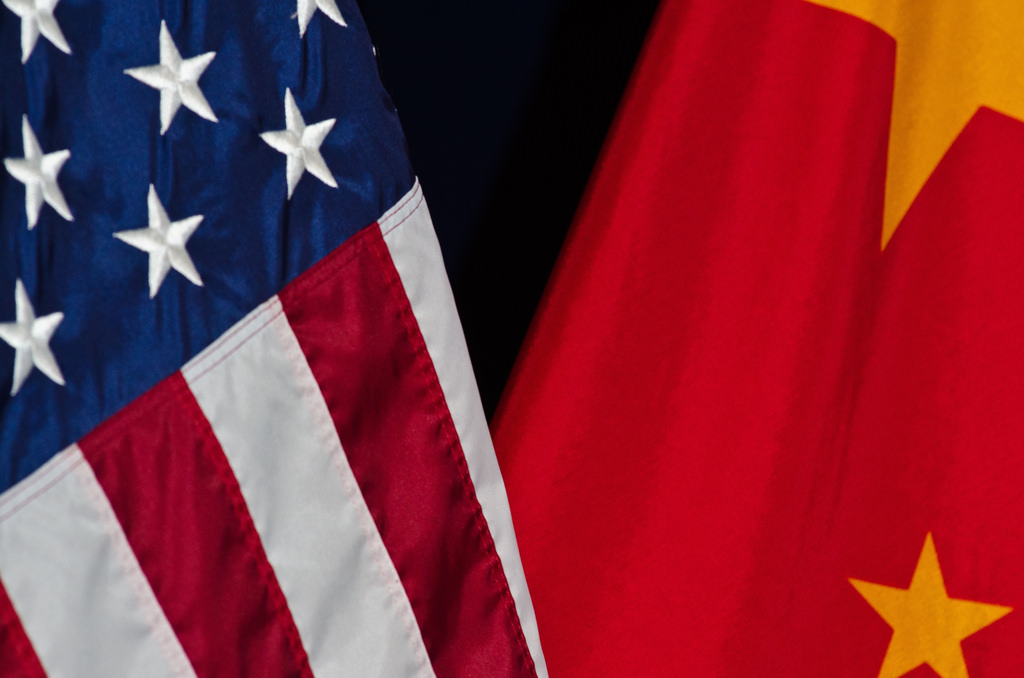
Beijing strongly opposed President Donald Trump's plan to impose an additional 10% tariff on Chinese imports, accusing the U.S. of shifting blame over fentanyl and warning of retaliation. China’s Commerce Ministry emphasized the nation’s strict anti-drug policies and highlighted the potential disruption to global supply chains.
Trump announced the tariffs on Thursday, alongside a 25% duty on Canadian and Mexican goods set to take effect Tuesday. The new China tariffs follow a previous 10% levy on February 4 and coincide with China's annual parliamentary meetings, where key economic policies for 2025 will be outlined.
With less than a week to respond, Beijing condemned the unilateral move, stating that such tariffs violate World Trade Organization rules and damage global trade stability. "China has one of the world's strictest anti-drug policies," the ministry asserted, calling the U.S. decision an attempt to avoid responsibility rather than address domestic issues.
Despite rising tensions, analysts believe China still hopes for a trade agreement. However, with trade talks stalled and Washington signaling a broader economic decoupling, the prospect of reconciliation remains uncertain. "There’s been movement, but the Trump administration’s ultimate goal with China is unclear," said Christopher Beddor, deputy China research director at Gavekal Dragonomics.
China’s Commerce Ministry urged a return to negotiations, warning of countermeasures if the U.S. proceeds. Trump defended the tariffs, citing concerns over fentanyl, a synthetic opioid fueling the U.S. drug crisis. A White House official confirmed ongoing talks with China, Mexico, and Canada, noting progress on migration but lingering fentanyl concerns.
In response, China’s Public Security Ministry added 31 new precursor chemicals to control lists, reporting 151 cases of drug-making material seizures in the past year. However, it did not specify whether these were fentanyl-related.













