


 Singapore Budget 2026 Set for Fiscal Prudence as Growth Remains Resilient
  Asian Stocks Slip as Tech Rout Deepens, Japan Steadies Ahead of Election
  Russian Stocks End Mixed as MOEX Index Closes Flat Amid Commodity Strength
  South Africa Eyes ECB Repo Lines as Inflation Eases and Rate Cuts Loom
  Japan Economy Poised for Q4 2025 Growth as Investment and Consumption Hold Firm
  Gold Prices Slide Below $5,000 as Strong Dollar and Central Bank Outlook Weigh on Metals
  Trump Signs Executive Order Threatening 25% Tariffs on Countries Trading With Iran
  South Korea’s Weak Won Struggles as Retail Investors Pour Money Into U.S. Stocks
  RBI Holds Repo Rate at 5.25% as India’s Growth Outlook Strengthens After U.S. Trade Deal
  South Korea Assures U.S. on Trade Deal Commitments Amid Tariff Concerns
  Gold and Silver Prices Slide as Dollar Strength and Easing Tensions Weigh on Metals
  Silver Prices Plunge in Asian Trade as Dollar Strength Triggers Fresh Precious Metals Sell-Off
  Oil Prices Slide on US-Iran Talks, Dollar Strength and Profit-Taking Pressure
  Trump Endorses Japan’s Sanae Takaichi Ahead of Crucial Election Amid Market and China Tensions
  Dow Hits 50,000 as U.S. Stocks Stage Strong Rebound Amid AI Volatility
  China Extends Gold Buying Streak as Reserves Surge Despite Volatile Prices


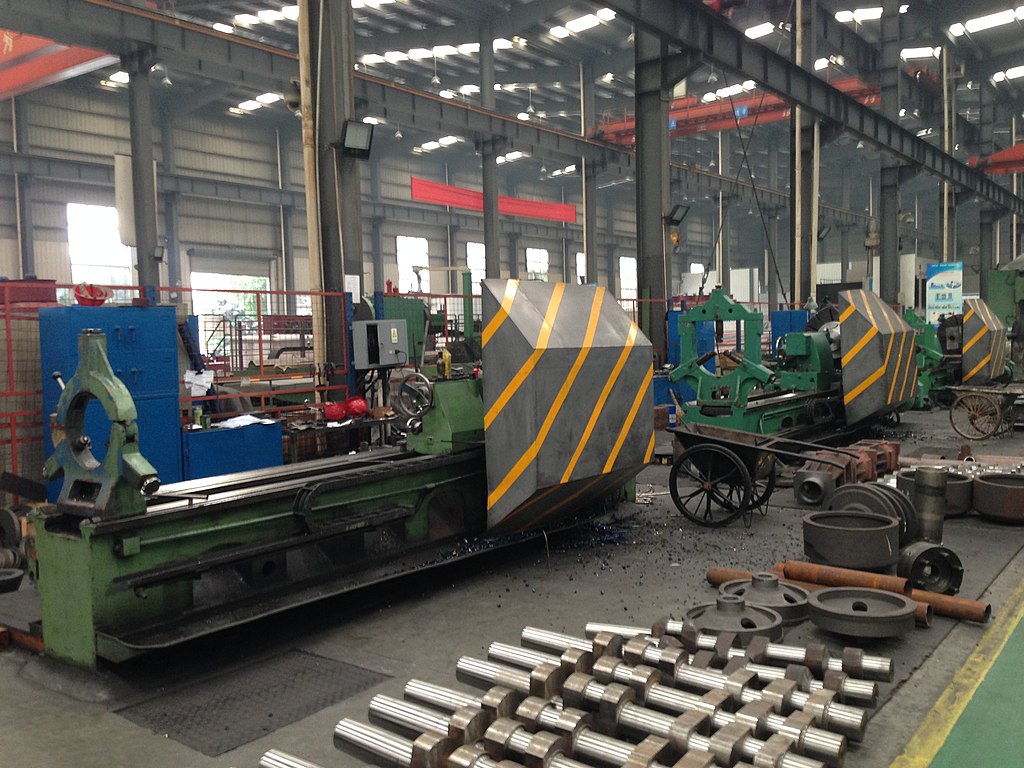
China posted its first annual increase in industrial profits in four years in 2025, signaling tentative relief for businesses after a prolonged period of margin pressure and price competition. Official data released on Tuesday showed that profits at large industrial firms rose 0.6% for the full year, marking a turnaround from years of stagnation and decline as government efforts to curb destructive price wars began to take effect.
The recovery comes against the backdrop of weak overall economic growth in the world’s second-largest economy, estimated at around $19 trillion. Authorities have recently issued strong rebukes to sectors such as automobiles and solar panels, where excessive competition and aggressive price cutting had driven profits sharply lower. While these measures have not yet reversed the long-running decline in producer prices, they have helped stabilize conditions for many manufacturers.
Momentum improved notably toward the end of the year. Industrial profits rose 5.3% in December compared with the same month a year earlier, a sharp reversal from November’s 13.1% year-on-year decline. For the first 11 months of 2025, profits had risen only 0.1%, underscoring how late-year gains were critical in delivering the first full-year increase since 2021.
Exports played a key role in supporting industrial earnings. The auto industry, for example, recorded a 0.6% increase in profits in 2025, reversing an 8% drop the previous year as overseas sales strengthened. Broader export diversification away from the United States also helped cushion the impact of tariffs imposed by U.S. President Donald Trump on Chinese imports, reducing reliance on a single market.
The data revealed uneven performance across ownership types. Profits at state-owned enterprises fell 3.9% last year, while privately owned firms saw profits remain flat. In contrast, foreign-invested companies posted a 4.2% gain, benefiting from stronger export exposure and operational efficiency.
China’s industrial profit data covers companies with annual revenue of at least 20 million yuan, or about $2.88 million, from their main operations. While challenges remain, the return to annual profit growth suggests early signs of stabilization in China’s industrial sector.













