


 Wall Street Rises as SK Hynix’s Record Nasdaq Debut Steals Spotlight Ahead of U.S. CPI Data
  Oil Prices Jump as U.S.-Iran Conflict and Strait of Hormuz Tensions Shake Global Markets
  Gordie Howe Bridge to Open July 27 After U.S.-Canada Reach Toll Revenue Agreement
  South Korea Central Bank Set to Raise Interest Rates as Inflation Stays Elevated
  Oil Prices Surge as U.S.-Iran Conflict Escalates and Strait of Hormuz Risks Grow
  Fed Reaffirms 2% Inflation Goal, Vows Forceful Action to Anchor Price Expectations
  Japanese Yen Rises as Pension Fund Plan and BOJ Rate Hike Bets Weigh on Dollar
  Iraq PM Visits Washington as U.S. Oil, Gas Deals Take Center Stage
  Gold Price Holds Near $4,000 as Middle East Tensions and Fed Rate Hike Bets Grow
  European Regulators Clash With U.S. Treasury Over Private Credit Transparency
  European Stocks Slip as Middle East Tensions and Hormuz Threat Rattle Markets
  Gold Prices Fall as US-Iran Conflict, Rising Oil Prices Fuel Fed Rate Concerns
  South Korea’s KOSPI Triggers Trading Curb as AI Chip Stock Selloff Deepens
  US Stock Futures Slide as Iran Conflict Escalates Ahead of Key Q2 Earnings Week
  Deutsche Bank Sees Global Capital Shifts Reshaping Long-Term U.S. Dollar Outlook
  Dollar Ends Week Higher as Yen Jumps on Japan Pension Fund Investment Plans
  Dollar Eases as Middle East Conflict, Fed Outlook and Japan Pension Policy Drive FX Markets


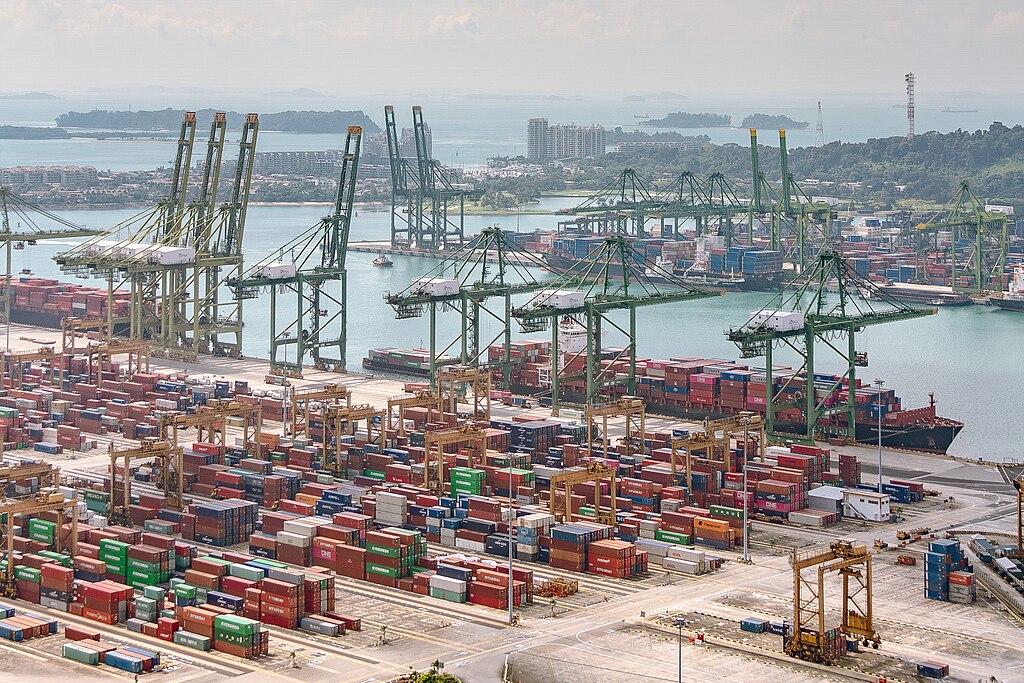
Singapore’s economy expanded faster than expected in the second quarter of 2026, supported by strong artificial intelligence (AI)-related demand that lifted manufacturing output and exports, according to advance estimates released by the Ministry of Trade and Industry (MTI) on Tuesday.
Singapore’s gross domestic product (GDP) rose 5.7% year-on-year in the April-to-June period, exceeding market expectations of 5.5%. However, the pace of growth eased slightly from the revised 6.3% expansion recorded in the first quarter, which marked the country’s strongest economic performance in four years.
On a quarter-on-quarter basis, GDP increased 1.1%, matching economists’ forecasts and indicating that the economy continued to expand despite a moderation from the previous quarter.
Manufacturing remained the key driver of economic growth, fueled by rising global demand for AI technologies. The electronics and precision engineering industries posted robust gains as companies benefited from increased investment in AI infrastructure and advanced semiconductor production. Manufacturing growth accelerated to 10.4% in the second quarter, up from 8.4% in the previous three months.
Not all industries shared the same momentum. The chemicals and biomedical manufacturing sectors faced headwinds due to supply chain disruptions and geopolitical tensions linked to the Middle East conflict, limiting broader industrial growth.
Singapore’s services sector also lost some momentum, with growth slowing to 4.6% in the second quarter from 6.2% in the first quarter. Meanwhile, construction activity cooled significantly, expanding 6.2% compared with 12.9% in the preceding quarter.
The latest data suggests Singapore’s economy continues to benefit from resilient AI-driven manufacturing and export demand, although broader economic activity is showing signs of moderation. Ongoing geopolitical risks and global supply chain disruptions remain potential challenges for growth in the coming months.
The Ministry of Trade and Industry noted that the advance GDP estimates are based primarily on data from the first two months of the quarter. The government is scheduled to publish the final second-quarter GDP figures in August, providing a more comprehensive assessment of Singapore’s economic performance.







