


 Oil Prices Surge Toward $100/Barrel After Tanker Attacks in Iraqi Waters
  U.S. Futures Slide as Oil Prices Surge on Middle East Shipping Attacks
  Gold Prices Climb Above $5,200 as Iran War Uncertainty and Inflation Data Loom
  Iran-Israel War Sparks Global Oil Crisis as Tankers Burn in Gulf Waters
  Gold Prices Slip as U.S.-Israel-Iran War Fuels Dollar and Oil Demand
  China's Trade Surplus Surges Past Forecasts in Early 2026
  Nations will release an extra 400 million barrels of oil to the market. All we need to do now is not panic at the pump
  Bank of Japan Expected to Hold Rates at 0.75% Before June Hike Amid Middle East War Uncertainty
  U.S.-Israel War on Iran Sends Crude Oil Prices Surging Amid Strait of Hormuz Tensions
  German Exports Drop 2.3% in January, Exceeding Forecast Decline
  Dollar Strengthens Amid Oil Price Surge and Inflation Fears
  Dollar Steadies as Traders Await Clarity on U.S.-Israel-Iran War
  RBA Rate Decision: Deputy Governor Signals Genuine Debate Ahead of March Meeting
  Dollar Stabilizes Amid Iran War Uncertainty as Oil Prices Remain Elevated
  ANZ and Westpac Forecast Two RBA Rate Hikes in March and May 2026
  Iran-U.S. Oil Tensions Escalate as Revolutionary Guards Threaten Strait of Hormuz Blockade
  Diesel Price Surge Threatens Global Economy Amid Middle East Conflict


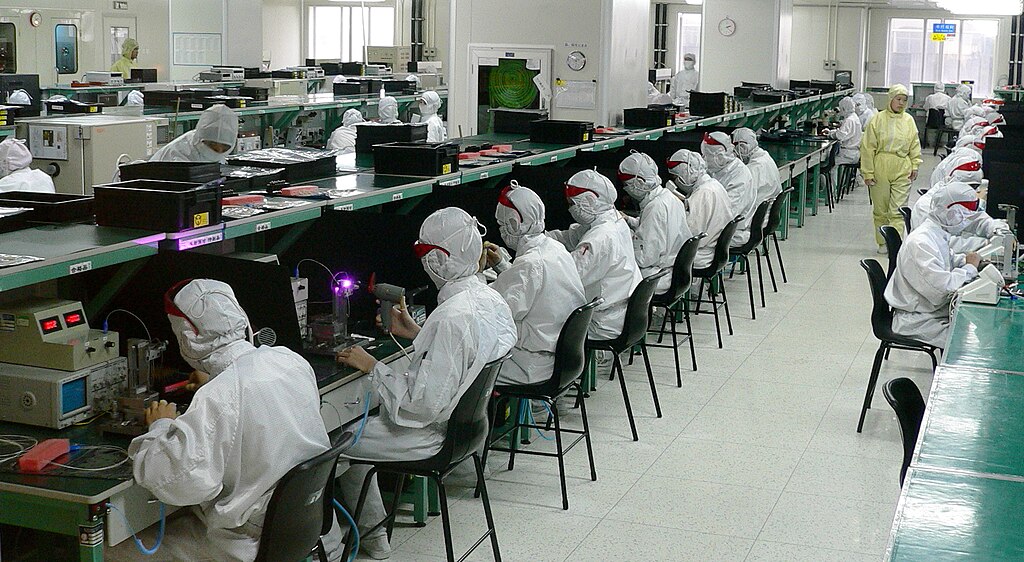
Profits at China’s industrial firms fell sharply in November, marking the fastest year-on-year decline in more than a year and underscoring the fragile state of the country’s economic recovery. According to data released by the National Bureau of Statistics (NBS), industrial profits dropped 13.1% in November compared with a year earlier, accelerating from a 5.5% decline in October. The weaker performance highlights how soft domestic demand continues to offset resilience in exports, despite some signs of improvement in overseas shipments.
The sharper profit contraction came against the backdrop of persistent factory-gate deflation, which has continued to squeeze margins across manufacturing sectors. This trend is keeping pressure on Chinese policymakers to introduce additional stimulus measures aimed at reviving household consumption and supporting broader economic growth. While exports have been relatively resilient, they have not been strong enough to compensate for sluggish demand at home.
For the first 11 months of the year, industrial profits edged up just 0.1% from a year earlier, a significant slowdown from the 1.9% growth recorded in the January–October period. A major drag came from the coal mining and washing industry, where profits plunged 47.3%, weighing heavily on overall industrial earnings. These figures suggest that momentum in the roughly $19 trillion Chinese economy softened toward the end of the year, even as authorities have so far refrained from rolling out fresh policy support.
Some China watchers note that Beijing is taking comfort from indicators suggesting the official 2025 growth target of around 5% may still be achievable. Easing U.S.-China trade tensions have also helped stabilize the external environment. However, many market participants believe further policy stimulus will be required next year to shore up domestic demand and sustain economic expansion.
Sectoral data showed pockets of strength. Profits in the automotive industry rose 7.5%, while high-tech manufacturing profits increased 10%, reflecting China’s ongoing shift toward new growth drivers. Still, NBS officials cautioned that industrial profitability needs a firmer foundation amid global uncertainty and structural economic adjustments. Industrial profit figures cover firms with annual revenue of at least 20 million yuan from their main operations, offering a broad snapshot of corporate health across China’s economy.













