


 U.S. Sanctions Target Chinese Refinery Over Iranian Oil Purchases
  Asian Stocks Slip as Oil Prices Surge and Fed Signals Inflation Risks
  White House Withdraws Trump’s National Park Service Nominee Amid Criticism
  Federal and State Authorities Conduct Widespread Fraud Raids Across Minnesota
  Lula Plans New Supreme Court Nomination After Historic Senate Rejection
  EU Warns of Response as U.S. Considers 25% Tariffs on Car Imports
  Oil Prices Surge Amid U.S.-Iran Tensions and Supply Disruption Fears
  Judge Rules Use of Military Lawyers in Civilian Prosecutions Is Lawful
  Stock Market Update: Fed Holds Rates Steady as Tech Earnings and Geopolitical Tensions Shape Outlook
  Iran-U.S. Conflict Escalation Threatens Global Oil Supply and Economic Stability
  Panama Defends Port Takeover Amid U.S.-China Tensions and Canal Dispute
  Trump Administration Dismisses Entire National Science Board, Raising Concerns Over Scientific Independence
  Trump Signals Possible Renewal of U.S. Strikes on Iran
  Japan Eases Arms Export Rules, Opening Door for Potential Ukraine Defense Support
  U.S. Sanctions Former DR Congo President Joseph Kabila Over Rebel Support
  WTI Crude Oil Prices Rise Amid Iran Conflict Uncertainty
  Taiwan President Lai Ching-te Visits Eswatini Amid China Pressure and Airspace Tensions


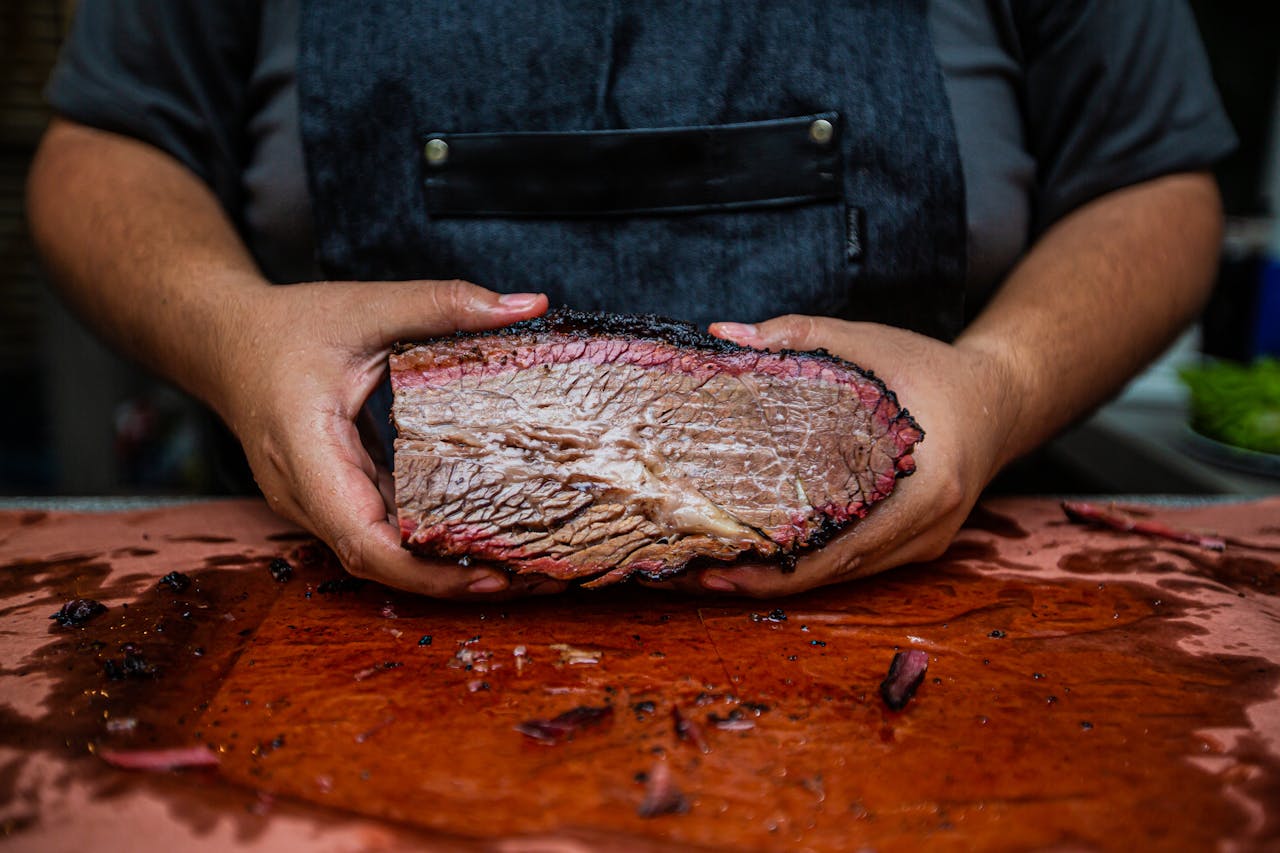
China will impose an additional 55% tariff on beef imports that exceed newly set quota levels starting January 1, 2026, as part of safeguard measures aimed at protecting its domestic cattle industry. The policy will apply for three years and cover major beef suppliers including Brazil, Australia, the United States, Argentina, Uruguay, and New Zealand, according to China’s Ministry of Commerce.
Under the new rules, China’s total beef import quota for 2026 is set at around 2.7 million metric tons, roughly in line with the 2.87 million tons imported in 2024. The quota will increase gradually in 2027 and 2028, but any volumes exceeding the annual limits will face a steep 55% tariff. The ministry said the surge in imported beef has caused serious damage to China’s domestic beef sector, following an investigation launched in December last year.
China’s beef imports declined slightly by 0.3% year-on-year to 2.59 million tons in the first 11 months of 2025. However, imports from key suppliers such as Brazil and Australia during this period already exceeded the new quota levels, signaling potential disruptions to global beef trade in 2026. Brazil alone shipped about 1.33 million tons to China during the first 11 months of 2025, well above its allocated quota.
Analysts expect China’s beef imports to fall further next year as a result of the safeguard measures. Industry experts note that China’s beef cattle farming remains less competitive compared with major exporters like Brazil and Argentina, a gap that cannot be closed quickly through technology or policy reforms.
The move comes amid a global beef shortage that has driven prices higher worldwide, including record levels in the United States. Exporters have expressed mixed reactions, with Australian and Brazilian industry groups warning of revenue losses, while governments say they will explore negotiations or alternative markets. China, meanwhile, says the tariffs will help stabilize its breeding cow inventory and support the long-term adjustment and upgrading of its domestic beef industry.







