


 Trump Tariffs Show Minimal Economic Impact but Boost Federal Revenue, Study Finds
  Iran-Israel Missile Strikes Continue Amid Mixed Signals on U.S.-Iran Diplomacy
  Asian Currencies Weaken as Dollar Rebounds Amid Middle East Uncertainty and Japan Inflation Data
  U.S. Dollar Weakens as Trump Signals Iran Deal Possibility
  Gold Prices Climb as Middle East Ceasefire Talks Stir Market Optimism
  UK Consumer Confidence Weakens Amid Middle East Conflict and Rising Living Costs
  Australia-EU Free Trade Deal Signed After Years of Negotiations
  U.S. Oil Prices Slide as Middle East Ceasefire Talks Spark Market Optimism
  Bank of Japan Officials Signal Continued Interest Rate Hikes Amid Inflation Concerns
  Bank of Japan Eyes April Rate Hike Despite Inflation Dip, ING Says
  Currency Markets Show Caution Amid U.S.-Iran Negotiations
  U.S. Futures Slide as Iran Denies Nuclear Talks with Washington
  Asian Stocks Gain Amid Iran Conflict Uncertainty
  Oil Prices Plunge Over 6% as Middle East Ceasefire Hopes Ease Supply Fears
  Middle East War Rattles Global Markets as Oil Tops $100 and Dollar Surges
  Japan Eyes Oil Futures Intervention to Stabilize Yen Amid Middle East Crisis


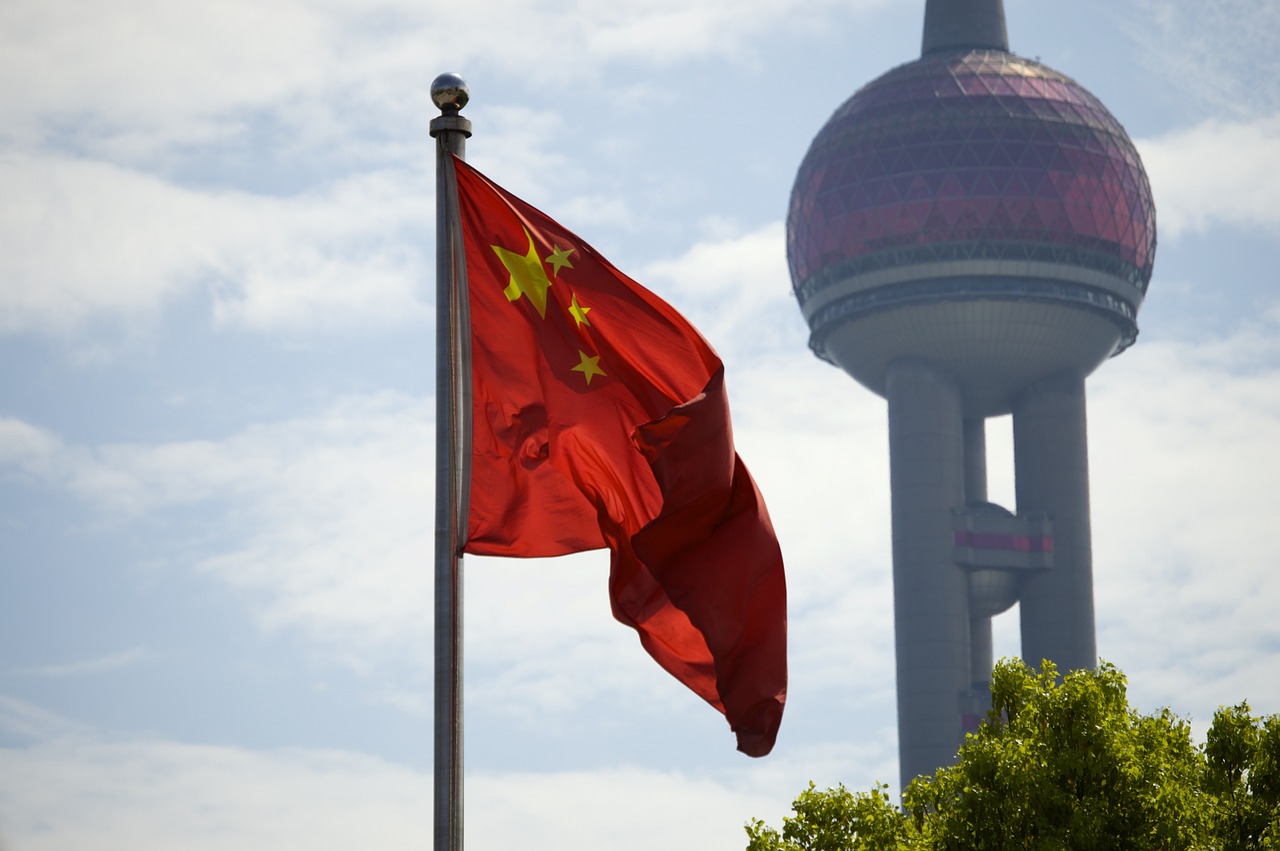
China has officially entered the top 10 of the United Nations’ Global Innovation Index (GII) for the first time, replacing Germany, Europe’s largest economy. The 2024 survey, which ranks 139 economies across 78 indicators, highlights China’s growing strength in research and development (R&D) investment, driven by firms in Beijing rapidly expanding private sector financing.
Switzerland maintained its lead as the world’s most innovative country, a title it has held since 2011, followed by Sweden, the United States, South Korea, Singapore, the United Kingdom, Finland, the Netherlands, and Denmark. China secured 10th place, underscoring its growing influence in global innovation and intellectual property.
The report revealed China contributed roughly 25% of international patent applications in 2024, reinforcing its role as the largest source of patents worldwide. In contrast, traditional leaders like the U.S., Japan, and Germany—collectively responsible for 40% of applications—saw slight declines. Patent ownership is widely recognized as a crucial measure of technological competitiveness and economic strength.
Despite China’s momentum, the GII warned of challenges ahead. Global R&D spending growth is projected to slow to 2.3% in 2024, down from 2.9% last year, marking the weakest pace since 2010. This slowdown raises concerns about long-term innovation capacity worldwide.
While Germany dropped to 11th place, experts emphasize its enduring reputation as an industrial innovator. However, the nation faces pressure to transform into a digital innovation leader to maintain global competitiveness. WIPO Director General Daren Tang noted that Germany’s challenge is leveraging its strong industrial base to excel in digital technologies.
China’s rise in the Global Innovation Index signals a significant shift in the global R&D landscape, positioning the country as a future powerhouse in science, technology, and innovation.













