


 Japanese Yen Retreats as Dollar Rises Ahead of Fed, BOJ Rate Decisions
  Fed’s Hammack Says Bond Yield Surge Is Not Driven by Inflation Fears
  BOJ Signals Faster Rate Hikes as Inflation Risks Grow
  Global Central Banks Brace for More Rate Hikes as Inflation Risks Rise
  RBA Set for September Rate Hike as Inflation Stays High
  US Alcohol Ban Exposes Canada’s Internal Trade Barriers
  Gold Holds Near Seven-Week Low as Fed Rate Hike Bets Rise
  Central Banks Could Buy 20,000 Tonnes of Gold: BofA
  Dollar Eases Near Two-Month High as Yen Rebounds
  US Treasury Bond Buybacks Fall Short Despite Expanded $6 Billion Cap
  Asian Stocks Rise as Bond Yields Ease Ahead of U.S. Inflation Data
  Oil Prices Jump Nearly 3% as Iran Holds Firm on Hormuz Conditions
  Asian Stocks Fall as Bond Yields and Oil Prices Surge


 Add as a preferred source on Google
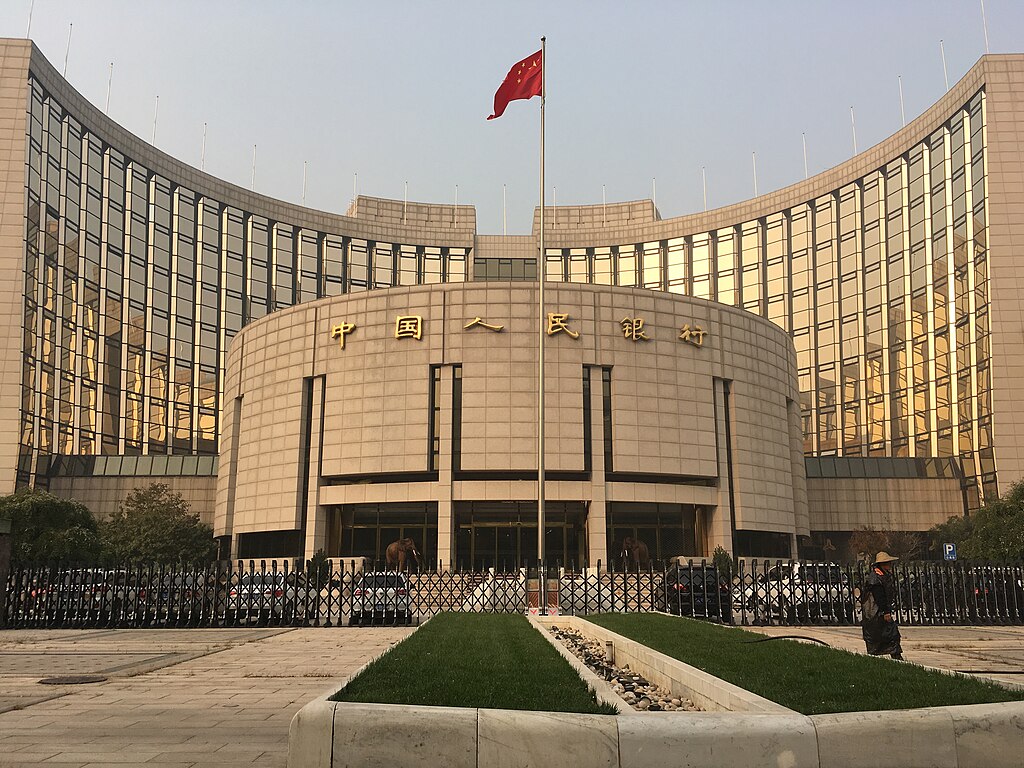
China’s central bank has expressed its backing for state-owned Central Huijin Investment’s recent move to increase holdings in stock market index funds, signaling continued efforts to stabilize the country’s financial markets.
In a statement released Tuesday, the People’s Bank of China (PBOC) announced it would offer re-lending support to Central Huijin Investment—an arm of China Investment Corporation—when needed. This measure is aimed at maintaining the smooth operation of China’s capital market during a period of heightened volatility.
The move follows Huijin’s market intervention on Monday to bolster domestic stocks, which had slumped due to renewed investor concerns over U.S. tariff threats. Analysts see this as a targeted strategy by Beijing to restore investor confidence and prevent further market declines.
Huijin’s involvement in purchasing index funds highlights the Chinese government’s commitment to stabilizing stock prices through state-backed financial instruments. The PBOC’s pledge of liquidity support further strengthens this approach, ensuring that institutional interventions remain effective under strained market conditions.
As China faces growing external economic pressures and ongoing investor jitters, these steps reinforce Beijing’s proactive monetary and fiscal policies. Market watchers believe such support may become more frequent if volatility continues, particularly amid global uncertainties and geopolitical tensions.
By aligning monetary policy tools with direct market interventions, China aims to avoid deep selloffs while fostering a more resilient financial environment.
This move underscores the strategic role of sovereign wealth funds in China’s market stability efforts and could set the tone for future policy support if external shocks persist.







