


 Israel Approves West Bank Measures Expanding Settler Land Access
  Ohio Man Indicted for Alleged Threat Against Vice President JD Vance, Faces Additional Federal Charges
  Pentagon Ends Military Education Programs With Harvard University
  Federal Judge Restores Funding for Gateway Rail Tunnel Project
  US Pushes Ukraine-Russia Peace Talks Before Summer Amid Escalating Attacks
  Bangladesh Election 2026: A Turning Point After Years of Political Suppression
  Nicaragua Ends Visa-Free Entry for Cubans, Disrupting Key Migration Route to the U.S.
  Trump Signs Executive Order Threatening 25% Tariffs on Countries Trading With Iran
  Trump Allows Commercial Fishing in Protected New England Waters
  Japan Election 2026: Sanae Takaichi Poised for Landslide Win Despite Record Snowfall
  Jack Lang Resigns as Head of Arab World Institute Amid Epstein Controversy
  China Warns US Arms Sales to Taiwan Could Disrupt Trump’s Planned Visit
  Antonio José Seguro Poised for Landslide Win in Portugal Presidential Runoff
  Ghislaine Maxwell to Invoke Fifth Amendment at House Oversight Committee Deposition
  Sydney Braces for Pro-Palestine Protests During Israeli President Isaac Herzog’s Visit
  Trump Backs Nexstar–Tegna Merger Amid Shifting U.S. Media Landscape


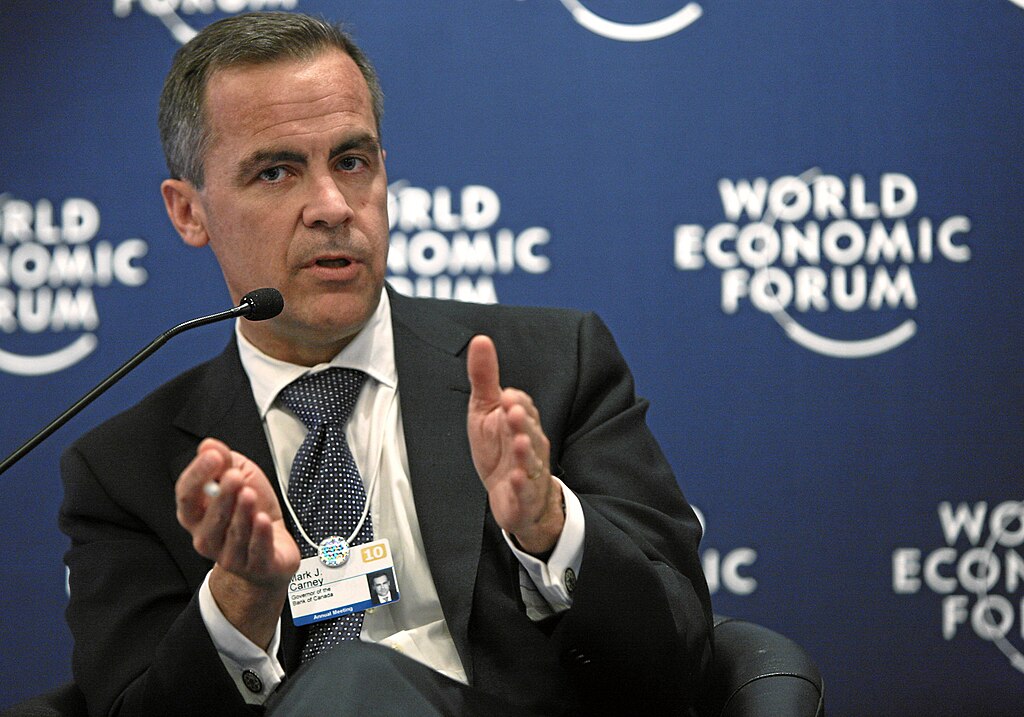
In a high-stakes French-language debate held in Montreal on April 16, Canadian Prime Minister Mark Carney and Conservative leader Pierre Poilievre faced off for the first time ahead of the April 28 federal election. The debate, seen as pivotal in shaping voter opinion in key battleground Quebec, centered on U.S. tariffs, annexation threats from President Donald Trump, and Canada’s housing and cost-of-living crises.
Carney, a former central bank chief in both Canada and the UK, emphasized his crisis-management experience, positioning himself as the best candidate to confront Trump’s aggressive trade and annexation rhetoric. He criticized Poilievre’s lack of diplomatic depth, while Poilievre attacked Carney as a continuation of former Prime Minister Justin Trudeau, blaming Liberal policies for economic decline and soaring housing prices.
“You’re just like Trudeau. We need change,” Poilievre said. Carney countered, “Mr. Poilievre is not Mr. Trudeau, and neither am I. This election is about who can succeed and face Trump.”
Both leaders vowed to take a tough stance on U.S. tariffs, but differed sharply on domestic economic strategies. Poilievre accused the Liberals of stifling natural resource development and overregulating the economy. He also slammed Carney’s record as Bank of England governor, blaming him for a surge in UK home prices.
The debate, moved to avoid conflicting with a Montreal Canadiens game, was closely watched in Quebec, which holds 78 of the 343 federal seats. Carney, though not fluent, made an effort to speak French throughout. With the separatist Bloc Québécois holding sway in the province, polls show some Bloc voters are leaning Liberal, viewing Carney as the most capable leader to navigate the Trump challenge. An English-language debate follows on Thursday.













