


 Rise of the Zombie Bugs takes readers on a jaw-dropping tour of the parasite world
  Asian Stocks Mixed Ahead of Trump-Xi Meeting
  Dollar Hits Two-Month High as Fed Rate Hike Bets Rise
  As the Black Summer megafires neared, people rallied to save wildlife and domestic animals. But it came at a real cost
  South Korea, US Discuss Warship Building Cooperation
  Meta Partners With Shopify to Bring Shop Pay Checkout to Muse AI
  China Reviews Broadcom Switch Use in State Data Centres
  European Stocks Slip as Iran Tensions Offset Strong Eurozone Data
  US 10-Year Treasury Yield at 6% Emerges as New Market Risk Threshold
  China Vanke Shares Jump as Beijing Moves to Ease Debt Pressure
  Anthropic’s Claude Discovers CRISPR-Like Enzyme System
  Drug pollution in water is making salmon take more risks – new research
  Asian Stocks Fall as Bond Yields Surge Ahead of Trump-Xi Summit
  US Northeast Airports Resume Operations After Telecom Outage Disrupts Thousands of Flights
  U.S. 10-Year Treasury Yield Hits 2007 High as Fed Rate Hike Bets Rise
  What’s so special about Ukraine’s minerals? A geologist explains
  US, China Extend Trade Truce to Jan. 10 Ahead of Trump-Xi Summit


 Add as a preferred source on Google
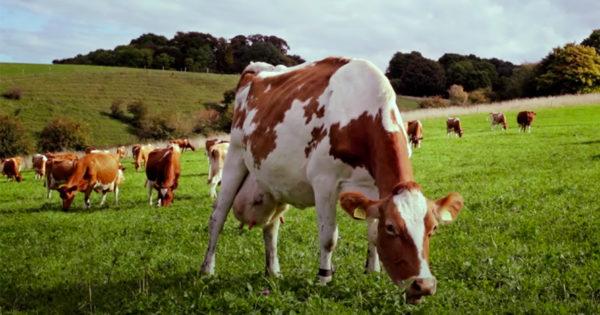
Burger King, Cargill, and the National Fish and Wildlife Foundation (NFWF) are providing cattle ranchers in a six-state region with technical support and resources to help cut greenhouse gas emissions.
The five-year Southern Great Plains effort, which includes $5 million from Cargill and Burger King, a subsidiary of Restaurant Brands International, as well as $5 million in matching funds from NFWF, has the potential to sequester 360,000 tons of CO2 equivalent year.
On ranches in Colorado, Kansas, Nebraska, New Mexico, Oklahoma, and Texas, the alliance is focusing on using regenerative agricultural approaches to improve grassland management and conserve ecosystems.
On April 12, NFWF awarded three grants to ranchers in Kansas, New Mexico, and Texas, financed by Burger King and Cargill, to support plans to apply grassland management strategies customized to their area.
Burger King's president, Tom Curtis, stated that as one of North America's largest buyers of beef, cooperating with Cargill and NFWF allows them to expedite ambitious efforts to cut greenhouse gas emissions in their beef supply chain.
The conservation initiatives, according to Jeff Trandahl, executive director and chief executive officer of NFWF, aim to apply grazing techniques particular to each region, as well as maintain and restore grasslands and the wildlife species they sustain.
The projects, according to Trandahl, will make grasslands more resilient to changing conditions, and they hope to expand this work by connecting conservation experts with ranchers who want to make a real difference.
To maximize the benefits of currently used practices, Heather Tansey, Cargill's vice president of environmental sustainability, said that reducing the environmental impact of the beef supply chain requires attention and commitments on multiple fronts.
Cross-industry collaboration, according to Cargill, allows beef production to preserve and positively impact land and resources. Burger King, Cargill, and the National Farmers Union Foundation (NFWF) are all committed to making beef production more sustainable, and have already implemented similar sustainable agriculture programs across North America to optimize beef production that is healthy for customers, regenerative for the land, and profitable for farmers.







