


 Lake beds are rich environmental records — studying them reveals much about a place’s history
  The world’s biggest trees could hold the secret to coping with drought
  Unsustainable – or manageable? We don’t yet know how data centres will impact Australia’s environment
  An unexpected anomaly was found in the Pacific Ocean – and it could be a global time marker
  Rice feeds billions of people – but its role in fueling climate change is growing
  GesiaPlatform Launches Carbon-Neutral Lifestyle App ‘Net Zero Heroes’
  Asian Stocks Fall as Bond Yields Surge Ahead of Trump-Xi Summit
  How to create a thriving forest, not box-checking ‘tree cover’
  US Dollar Hits Two-Month High as Fed Rate Hike Bets Rise
  How ongoing deforestation is rooted in colonialism and its management practices
  US Stock Futures Fall as Treasury Yields Surge Ahead of Trump-Xi Summit
  Oil Prices Surge as U.S.-Iran Diplomacy Hopes Fade
  Parasites are ecological dark matter – and they need protecting
  South Korea, US Discuss Warship Building Cooperation
  Thousands of satellites are due to burn up in the atmosphere every year – damaging the ozone layer and changing the climate


 Add as a preferred source on Google
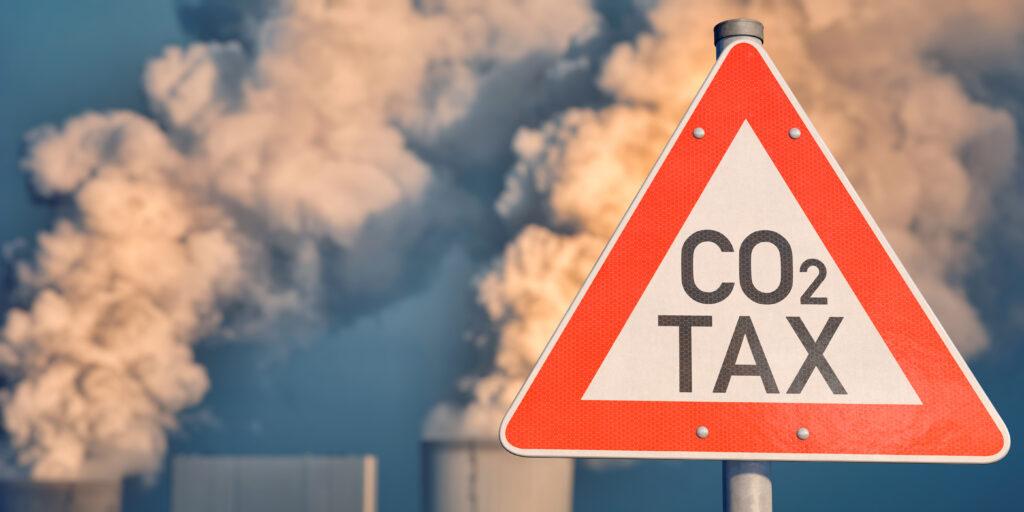
South Korean firms may face between 7.3 trillion won to 36.3 trillion won in additional taxes if the country comes up with a carbon tax law, according to Lee Soo-min, a researcher with Nice Rating.
Hardest to be hit are those from heavy industries that emit higher carbon dioxide levels, such as steel, petrochemical, and power utility companies.
A bill on carbon tax in line with EU’s Carbon Border Adjustment Mechanism (CBAM) is currently pending in the parliament.
CBAM, which will tax products responsible for higher carbon dioxide emissions during manufacturing, is set for full implementation in 2026.
Lee noted that based on the analysis of the CBAM, the amount of border tax paid to China could be up to 1.5 trillion won, while the EU and the US may aggressively tax Korean firms.
The current costs borne by Korean companies are below standards suggested by the International Monetary Fund and the World Bank, but the additional measure will further pressure local companies.







