


 Trump Lifts 25% Tariff on Indian Goods in Strategic U.S.–India Trade and Energy Deal
  RBI Holds Repo Rate at 5.25% as India’s Growth Outlook Strengthens After U.S. Trade Deal
  Trump Endorses Japan’s Sanae Takaichi Ahead of Crucial Election Amid Market and China Tensions
  Vietnam’s Trade Surplus With US Jumps as Exports Surge and China Imports Hit Record
  Gold and Silver Prices Rebound After Volatile Week Triggered by Fed Nomination
  Trump Signs Executive Order Threatening 25% Tariffs on Countries Trading With Iran
  U.S. Stock Futures Slide as Tech Rout Deepens on Amazon Capex Shock
  Bank of Japan Signals Readiness for Near-Term Rate Hike as Inflation Nears Target
  South Africa Eyes ECB Repo Lines as Inflation Eases and Rate Cuts Loom
  South Korea Assures U.S. on Trade Deal Commitments Amid Tariff Concerns
  Global Markets Slide as AI, Crypto, and Precious Metals Face Heightened Volatility
  Asian Stocks Slip as Tech Rout Deepens, Japan Steadies Ahead of Election
  Thailand Inflation Remains Negative for 10th Straight Month in January
  Japan Economy Poised for Q4 2025 Growth as Investment and Consumption Hold Firm
  Oil Prices Slide on US-Iran Talks, Dollar Strength and Profit-Taking Pressure
  Russian Stocks End Mixed as MOEX Index Closes Flat Amid Commodity Strength
  India–U.S. Interim Trade Pact Cuts Auto Tariffs but Leaves Tesla Out


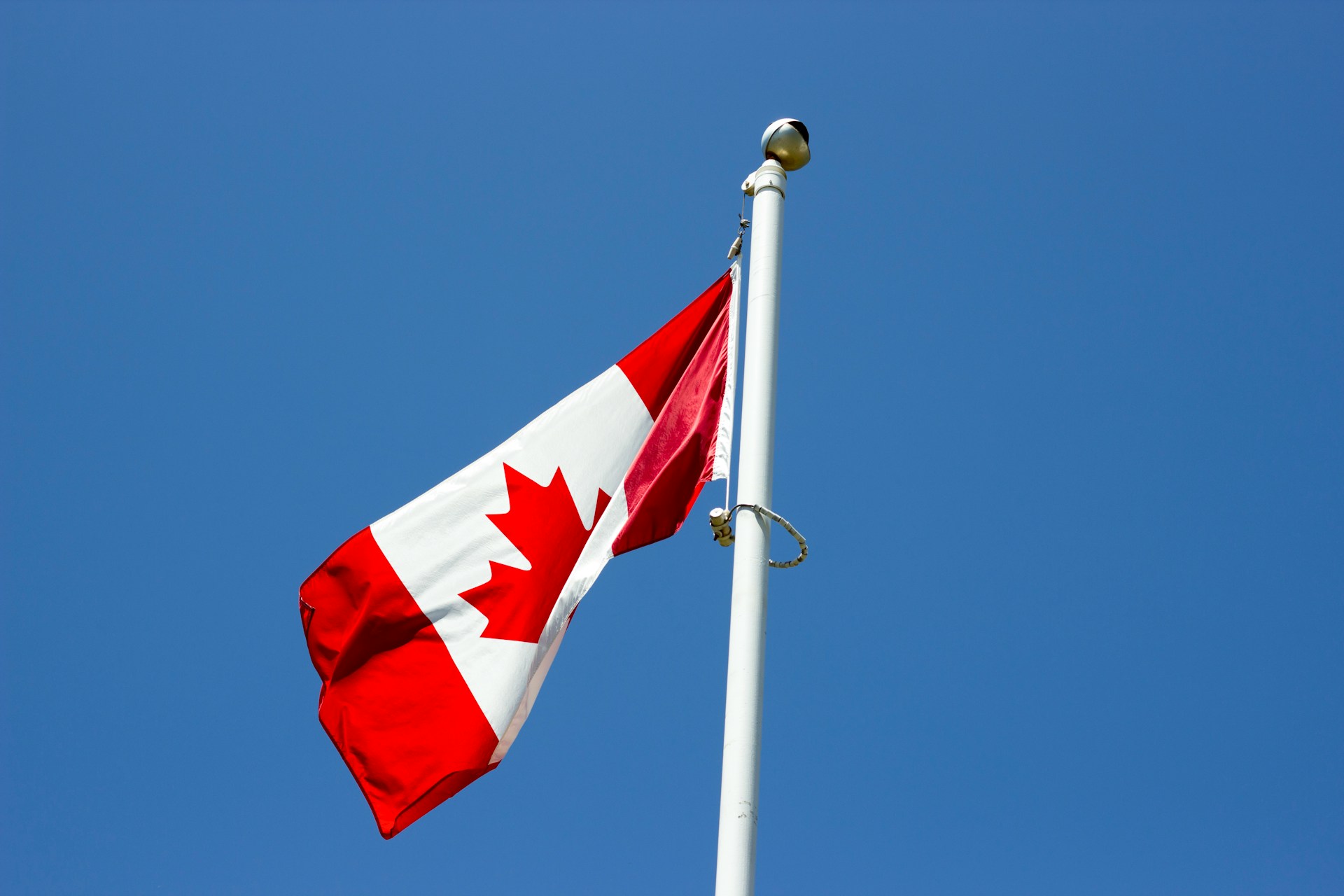
S&P Global Ratings warns that Canada's provincial budgets in 2025 will face mounting pressures from federal policy changes, rising costs, and newly imposed U.S. tariffs. The economic outlook varies by province, with some more vulnerable due to their export exposure.
The 25% tariffs on most Canadian exports to the U.S., effective March 4, 2025, alongside a 10% tariff on Canadian energy imports, add to existing fiscal strains. In response, Canada imposed a 25% tariff on C$30 billion of U.S. imports, with plans to extend tariffs to an additional C$125 billion after consultations. These trade barriers could significantly impact growth, particularly in Alberta and New Brunswick, where over 30% of GDP is tied to U.S. exports.
Provincial governments are contending with rising wage and goods costs that have outpaced revenue growth. However, recent trends indicate revenues are catching up, with provinces prioritizing healthcare and transportation infrastructure investments. Midyear financial reports suggest weaker-than-expected fiscal performance, further compounded by federal policies like reduced immigration targets.
A scenario analysis by S&P Global Ratings Economics predicts that the tariffs could disrupt key sectors and slow economic growth in 2025. However, per capita GDP levels are expected to remain resilient in the short-to-medium term. The tariffs are likely to be reduced to 10% in 2026 as negotiations under the United States-Mexico-Canada Agreement (USMCA) begin.
With provinces starting the budget cycle on varying fiscal bases, their ability to mitigate these economic headwinds will be crucial. The coming months will reveal how effectively they adapt to shifting trade dynamics and fiscal pressures.













