


 Chinese AI Stocks Surge as Tencent, MiniMax, and Zhipu Launch Agentic AI Programs
  Gold Prices Climb Above $5,200 as Iran War Uncertainty and Inflation Data Loom
  Gold Prices Slip as U.S.-Israel-Iran War Fuels Dollar and Oil Demand
  Trump Hints at Possible U.S. Takeover of Cuba Amid Deepening Humanitarian Crisis
  U.S. Futures Slide as Oil Prices Surge on Middle East Shipping Attacks
  Asian Markets Retreat as Oil Prices Surge Toward $100 Amid Middle East Tensions
  U.S. and Russia Hold Diplomatic Talks in Florida Amid Ongoing Tensions
  Pentagon Taps Wall Street Talent to Manage $200 Billion Defense Investment Fund
  Asian Currencies Face Pressure as U.S.-Iran Conflict Weighs on Markets
  Asia FX Steady as Iran War Signals and U.S. Inflation Data Weigh on Sentiment
  After the Iran war, Persian Gulf nations face tough decisions on the US – a former diplomat explains
  German Exports Drop 2.3% in January, Exceeding Forecast Decline
  Oil Prices Surge Toward $100/Barrel After Tanker Attacks in Iraqi Waters
  Dollar Steadies as Traders Await Clarity on U.S.-Israel-Iran War
  IEA Plans Record Emergency Oil Release Amid Iran Strait of Hormuz Crisis
  Boeing Secures $289 Million Smart Bomb Contract With Israel


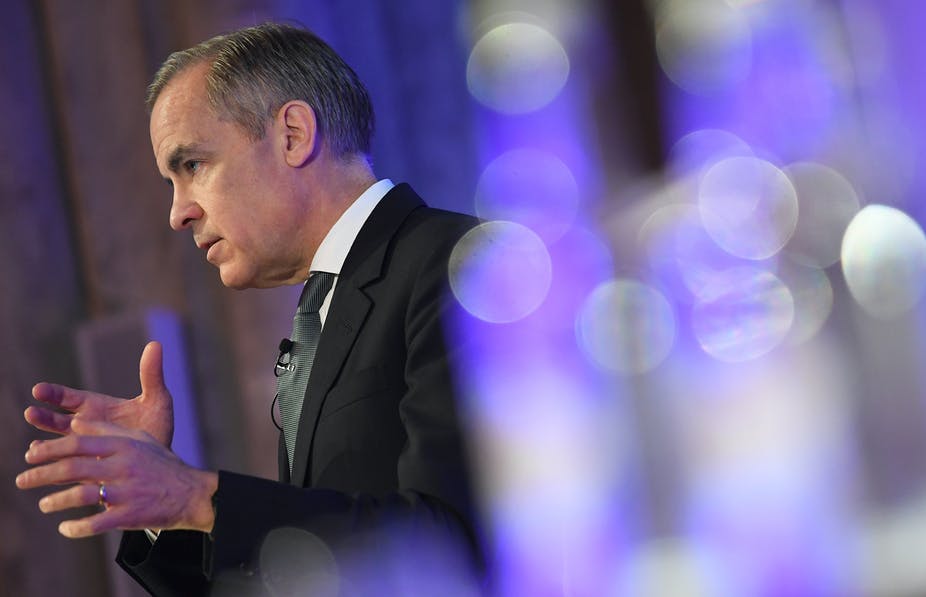
Canada and China are moving toward a renewed strategic partnership that could deliver historic economic gains by building on the complementary strengths of both nations, Canadian Prime Minister Mark Carney said during high-level talks with Chinese President Xi Jinping on Friday. The visit marked a major diplomatic milestone, as Carney became the first Canadian prime minister to travel to China since 2017, signaling a clear effort to reset bilateral relations after years of strained ties.
The Canada–China relationship has faced significant challenges in recent years, but Ottawa is now actively working to rebuild cooperation with its second-largest trading partner after the United States. Carney’s visit follows months of behind-the-scenes diplomatic engagement aimed at easing tensions and reopening channels for economic and political collaboration. Speaking to President Xi, Carney emphasized that the timing of a new strategic partnership is especially important amid global uncertainty and rising geopolitical divisions.
According to Carney, sectors such as agriculture, agri-food, energy, and finance offer immediate opportunities for sustained progress. These industries are seen as areas where Canada’s resources, expertise, and regulatory frameworks align well with China’s vast market and investment capacity. Strengthening cooperation in these fields could significantly boost trade volumes, investment flows, and long-term economic stability for both countries.
Canada’s renewed outreach to China comes as relations with the United States face new pressure. U.S. President Donald Trump has imposed tariffs on certain Canadian goods and made controversial remarks suggesting Canada could become the 51st U.S. state. These developments have prompted Ottawa to diversify its trade relationships and reduce reliance on the U.S. market by deepening ties with major global economies like China.
China, for its part, is also seeking stronger partnerships beyond the United States. Since Trump’s return to the White House, Beijing has faced renewed tariffs and trade restrictions, increasing its interest in closer cooperation with Group of Seven countries. Canada’s willingness to engage offers China a valuable opportunity to strengthen economic links within a traditional sphere of U.S. influence.
The renewed Canada–China dialogue highlights a pragmatic shift driven by economic realities, trade diversification, and shared interests. While challenges remain, both sides appear committed to exploring a more stable and mutually beneficial relationship that could reshape their economic cooperation in the years ahead.













