


 Trump Administration to Ban Chinese Robots, Power Inverters Over AI Security Concerns
  CXMT IPO Debut in Shanghai Puts $85.5 Billion Chipmaker in Spotlight
  Tech Stock Positioning Nears Neutral as Investor Rotation Enters Final Phase, Deutsche Bank Says
  Intel Stock Slips After Earnings Rally Despite Strong AI-Driven Revenue Growth
  Standard Chartered Beats Profit Forecasts as First-Half Earnings Rise 9%
  Meta CEO Zuckerberg Opposes U.S. Ban on Chinese AI Models, Warns Against Overregulation
  Philips Shares Slide 10% Despite Earnings Beat as Weak Orders Raise Growth Concerns
  SK Hynix Q2 Profit Hits Record as AI Memory Chip Demand Fuels Growth
  Seagate Stock Jumps as AI-Fueled Earnings Beat and Strong FY2027 Outlook Impress Investors
  Galp Shares Fall After Q2 EBITDA Miss Despite Profit Beat and Higher Dividend
  Nvidia Eyes $250B Guarantee for OpenAI’s Massive Ohio AI Data Center Project
  Nvidia Invests $1 Billion in Naver as South Korea AI Data Center Expansion Gains Momentum
  ASML, Applied Materials Slide as China DUV Chip Equipment Breakthrough Sparks Market Jitters
  Zabka Shares Drop 10% as Seven & i Abandons Investment Plans
  Serica Energy to Acquire Pharos Energy for £145.7M, Sending PHARP Shares Soaring
  BHP, Port Hedland Unions Fail to Reach Wage Deal as Negotiations Continue
  X Challenges Australia’s Expanded Social Media Ban Enforcement Powers


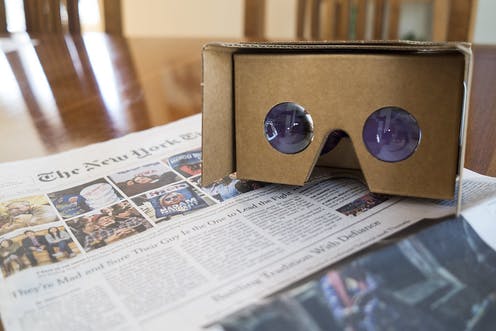

Imagine you can visit the beautiful tropical island of Lombok in eastern Indonesia from the comfort of your couch through your laptop or smartphone.
Tourists can stay at home while listening to travel agents’ voices explaining localities and looking at places they visit virtually through gadgets.
With the COVID-19 pandemic severely affecting the global tourism industry, virtual tourism – the use of virtual reality for tourism activities – has helped travel agents survive the crisis but, unfortunately, not so much for local businesses in tourism destinations.

A beach in north of Lombok. ravicini/flickr, CC BY
Virtual tourism helps maintain tourists’ interest
Travel restrictions in several countries to control the spread of coronavirus have cut export revenue from international tourism by US$730 billion. That’s more than eight times the loss experienced on the back of the 2009 global economic and financial crisis.
The United Nations World Tourism Organization (UNWTO) reported international tourist arrivals declined by 79% in August compared to the same period in 2019. This is about 700 million fewer arrivals.
Countries all around the world have used virtual tourism to help offset this downward trend.
Virtual tourism is a way to maintain tourists’ interest in a destination during the pandemic. It can also generate some income for the industry, such as for tour guides and souvenir shops.
Singapore’s Tourism Board has co-operated with sites such as TourHQ and Airbnb’s Online Experiences.
In Japan the Tokyo Metropolitan Government is offering online tours featuring sightseeing spots across the Japanese capital.
Virtual tourism, however, is designed not to replace conventional tourism, but to keep tourists’ interest during the pandemic so when the situation improves they will be keen to travel.
How not to leave out local businesses
In line with the global trend, the number of foreign tourists visiting Indonesia dropped by 88.9% in September to 153,498 from 1.38 million in the same period last year.
Both the government and private firms in Indonesia have engaged in virtual tourism to help maintain interest from tourists.
The Ministry for Tourism and Creative Economy recently held various virtual tourism events such as the Geotourism Festival 2020. Indonesia’s most prominent travel portal, Traveloka, has started to offer virtual tourism experiences for local and overseas destinations.
Some virtual tours are free, but the one with a guide will charge you money. For example, Traveloka virtual tours start from Rp 50,000 for local destinations. The tour will generate revenue for the tour company and the guides.
Some players reportedly have achieved decent success. Jakarta Good Guide, for instance, can attract up to 100 participants per tour.
However, this concept has some drawbacks. For instance, tourists do not need to make hotel reservations to stay at hotels and order food and drinks while enjoying their destinations. This reduces tourism spending, while also reducing tourists’ experiences of and feeling for the places they visited.
Ideally, virtual tourism would promote not only tourism destinations but also crafts from the area. But this depends on travel agents promoting souvenirs from these places to support local sellers.
Organisers of the Geotourism Festival held in July used this method.
The event had a virtual booth for the local businesses. One of them managed to attract 200 visitors and some purchases during the event.
The travel agents can designate several places that have online shops or online marketplaces to buy popular local souvenirs from a destination and promote them virtually to visitors.
Travel agents could also communicate with individual local sellers, collecting their crafts and promoting these souvenirs to visitors via travel agent websites.
While travel agents can keep their heads above water with virtual tourism, the benefits for local sellers have yet to be highly significant.
The government should explore more innovations in the tourism industry since the COVID-19 pandemic will not improve any time soon.







