


 U.S. Probes Apex Logistics Over Nvidia AI Chip Shipments to China
  New Zealand Labour Backs Social Media Ban for Under-16s
  Nvidia Reportedly Eyes $13 Billion Hugging Face Acquisition
  PayPal Shares Sink as $50 Billion Takeover Bid Collapses
  Nvidia Pauses AI Cloud Financing Deals Amid Antitrust Concerns
  Trump Buys SpaceX Shares After Record IPO
  New Zealand Moves to Ban Social Media for Children Under 16
  U.S. Disrupts China-Linked Hacking Campaign Targeting Government Agencies
  Samsung Shares Tumble 8% as $79 Billion Return Plan Disappoints
  SoftBank Plans Record $6.3 Billion Bond Sale to Fund OpenAI Investments
  SoftBank Eyes $20 Billion Bond Sale to Refinance OpenAI Loan
  Google Expands Gemini Enterprise With AI Tools for Legal Sector
  Pinterest Stock Falls as CFO Julia Brau Donnelly Resigns
  Faraday Future Delivers First Robots in Middle East, Plans September Launches
  Meta Agrees to $18 Billion Settlement, Tightens Teen Social Media Rules
  BofA Names ASML Top Semiconductor Equipment Pick on Growth, Valuation


 Add as a preferred source on Google
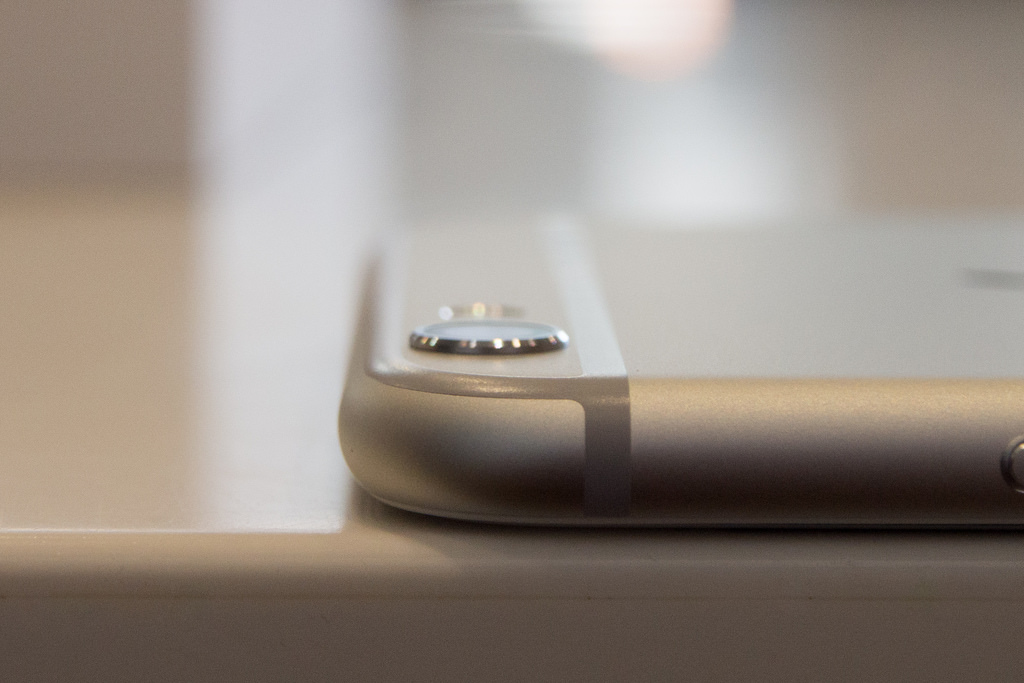
Just when it was thought that smartphones could not get any thinner, Caltech engineers just had to be creative and muck everything up. By creating a camera technology that does not require a lens, these Brainiacs basically gave smartphone creators license to make even more anorexic devices than ever before. Then again, ugly bulges won’t be a problem anymore, so that’s a plus.
Using special sensors and a custom software, the Caltech engineers basically created a camera design that replicates the same light-capturing effect of lenses of digital cameras, PC Mag reports. It’s basically a smaller version of something called a phased array, which radar and wireless antennae technology employed. In the university newsroom piece, Ali Hajimiri, a professor of electrical engineering at Caltech explained how the system works.
"We've created a single thin layer of integrated silicon photonics that emulates the lens and sensor of a digital camera, reducing the thickness and cost of digital cameras,” Prof. Hajimiri said. “It can mimic a regular lens, but can switch from a fish-eye to a telephoto lens instantaneously—with just a simple adjustment in the way the array receives light."
On that note, this camera technology is no guarantee of adoption. What customers want from their smartphone cameras is clarity and quality, more than anything else. If the lens-less camera that Caltech engineers created is unable to provide the crisp images that today’s iPhone and Samsung Galaxy can capture, it will be of no use to Apple or any other company.
According to the researchers, this is exactly what they are planning to do for the next phase of the project, CNET reports. By improving the resolution of the images that the ultrathin camera can capture, there might be a place for it in the manufacturing process of the smartphones of the future.







