


 South Korea Assures U.S. on Trade Deal Commitments Amid Tariff Concerns
  Nikkei 225 Hits Record High Above 56,000 After Japan Election Boosts Market Confidence
  Trump’s Inflation Claims Clash With Voters’ Cost-of-Living Reality
  Trump Signs Executive Order Threatening 25% Tariffs on Countries Trading With Iran
  Oil Prices Slide on US-Iran Talks, Dollar Strength and Profit-Taking Pressure
  Global Markets Slide as AI, Crypto, and Precious Metals Face Heightened Volatility
  Bank of Japan Signals Readiness for Near-Term Rate Hike as Inflation Nears Target
  Japanese Pharmaceutical Stocks Slide as TrumpRx.gov Launch Sparks Market Concerns
  Thailand Inflation Remains Negative for 10th Straight Month in January
  Japan Economy Poised for Q4 2025 Growth as Investment and Consumption Hold Firm
  Silver Prices Plunge in Asian Trade as Dollar Strength Triggers Fresh Precious Metals Sell-Off
  U.S.-India Trade Framework Signals Major Shift in Tariffs, Energy, and Supply Chains
  Gold and Silver Prices Rebound After Volatile Week Triggered by Fed Nomination
  South Africa Eyes ECB Repo Lines as Inflation Eases and Rate Cuts Loom
  Yen Slides as Japan Election Boosts Fiscal Stimulus Expectations
  Gold Prices Slide Below $5,000 as Strong Dollar and Central Bank Outlook Weigh on Metals


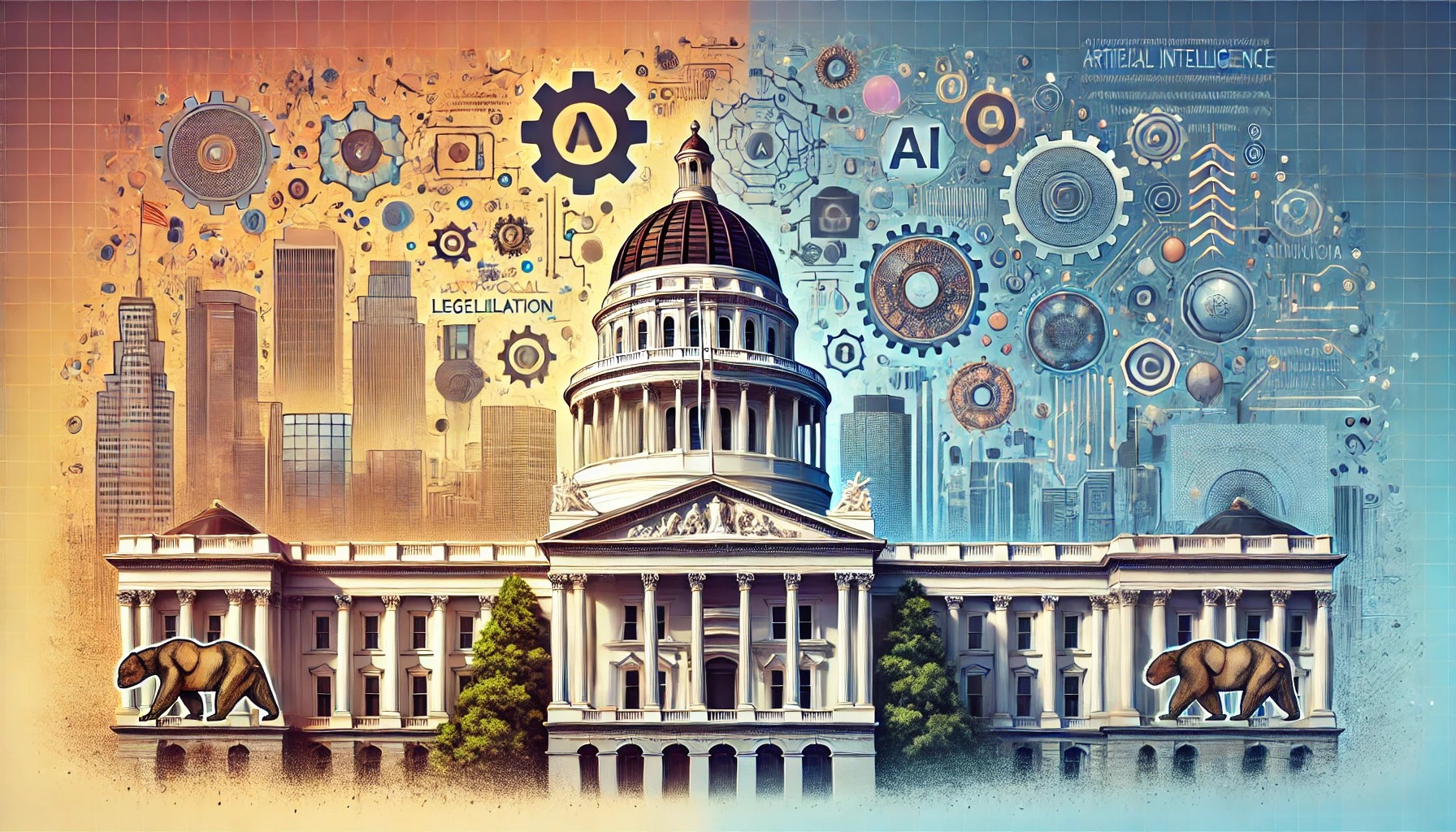
California Governor Gavin Newsom on Sunday vetoed a closely-watched AI safety bill, expressing concerns that the bill’s broad scope could negatively affect innovation and AI development in the state. The bill, authored by State Senator Scott Wiener, aimed to regulate high-risk AI systems but faced strong opposition from major tech companies and some federal lawmakers.
Governor’s Concerns and Industry Opposition
Newsom criticized the bill for not considering the risk levels or the sensitivity of data involved in AI applications. He argued it would impose “stringent standards” on even the most basic AI functions deployed by large systems. To address the risks of AI while fostering innovation, Newsom called on leading experts to help develop "workable guardrails" informed by scientific analysis and directed state agencies to assess potential AI-related catastrophic risks. The Chamber of Progress, a tech industry coalition, supported Newsom's veto, stating that California's tech economy benefits from competition and openness.
Proponents Push for AI Regulation
Senator Wiener contended that the legislation was necessary to implement proactive safeguards before AI systems became too advanced to control. Following the veto, he expressed concern that California would be left less protected, as companies developing powerful AI face no binding safety restrictions. He criticized the reliance on voluntary commitments from AI developers, arguing these are rarely effective in protecting the public interest.
Legislation and Infrastructure Safeguards
The proposed bill focused on generative AI, which can produce content like text, photos, and videos in response to prompts. It mandated safety testing for advanced AI models costing over $100 million to develop or requiring significant computing power and would have created a state body to oversee "Frontier Models" exceeding current AI capabilities. Newsom’s veto reflects the challenges in balancing regulation with innovation, especially as federal AI oversight legislation stalls in Congress. However, he signed a separate measure requiring risk assessments of AI threats to California's critical infrastructure, including the energy and water sectors.
Tech Industry's Mixed Response
Major tech companies like Google, OpenAI, and Meta, who are developing generative AI models, opposed the bill, citing concerns over its potential to stifle innovation. Some federal lawmakers, including Rep. Nancy Pelosi, also opposed it. However, proponents included Tesla’s CEO Elon Musk, who runs the AI firm xAI, and Amazon-backed Anthropic, which supported the bill while noting concerns about certain provisions.













