


 Sanofi Reports Positive Late-Stage Results for Amlitelimab in Eczema Treatment
  FDA Fast-Track Drug Reviews Delayed Over Safety and Efficacy Concerns
  Novo Nordisk Warns of Profit Decline as Wegovy Faces U.S. Price Pressure and Rising Competition
  California Jury Awards $40 Million in Johnson & Johnson Talc Cancer Lawsuit
  Sanofi to Acquire Dynavax in $2.2 Billion Deal to Strengthen Vaccine Portfolio
  AstraZeneca’s LATIFY Phase III Trial of Ceralasertib Misses Primary Endpoint in Lung Cancer Study
  Royalty Pharma Stock Rises After Acquiring Full Evrysdi Royalty Rights from PTC Therapeutics
  U.S. Vaccine Policy Shifts Under RFK Jr. Create Uncertainty for Pharma and Investors
  Innovent Biologics Shares Rally on New Eli Lilly Oncology and Immunology Deal
  Merck Raises Growth Outlook, Targets $70 Billion Revenue From New Drugs by Mid-2030s
  TrumpRx.gov Highlights GLP-1 Drug Discounts but Offers Limited Savings for Most Americans


While having a definite cure for cancer is still in the works, the technological and medical advancements of today brought on some progress in that aspect. A report reveals a breakthrough made by scientists on the treatment of HER2-positive breast cancer.
CNN reports that a group of scientists were able to develop two new drugs for HER2-positive breast cancer treatment. A study in the New England Journal of Medicine revealed that scientists found that a drug called tucatinib, when combined with other drugs in the chemotherapy routine trastuzumab and capecitabine, can potentially improve survival within adults who are suffering from HER2-positive breast cancer, or the type of breast cancer that is high on a protein called HER2.
Another study in the same medical journal revealed that another drug conjugate, referred to as trastuzumab deruxtecan, also significantly reduced the tumor within HER2-positive breast cancer patients. Dr. Eric Winer of Harvard Medical School and the Dana-Farber Breast Cancer Institute expressed his happiness at the progress made upon the development of the drugs. “What’s so exciting is that we have developed multiple new drugs for HER2-positive breast cancer, we have new drugs for all subtypes of breast cancer, but the changes are most dramatic in the setting of HER2-positive breast cancer,” said Winer.
He added that because of the progress they made and will continue to make, breast cancer treatment can be configured to suit every kind of patient. “It is no longer one size fits all.”
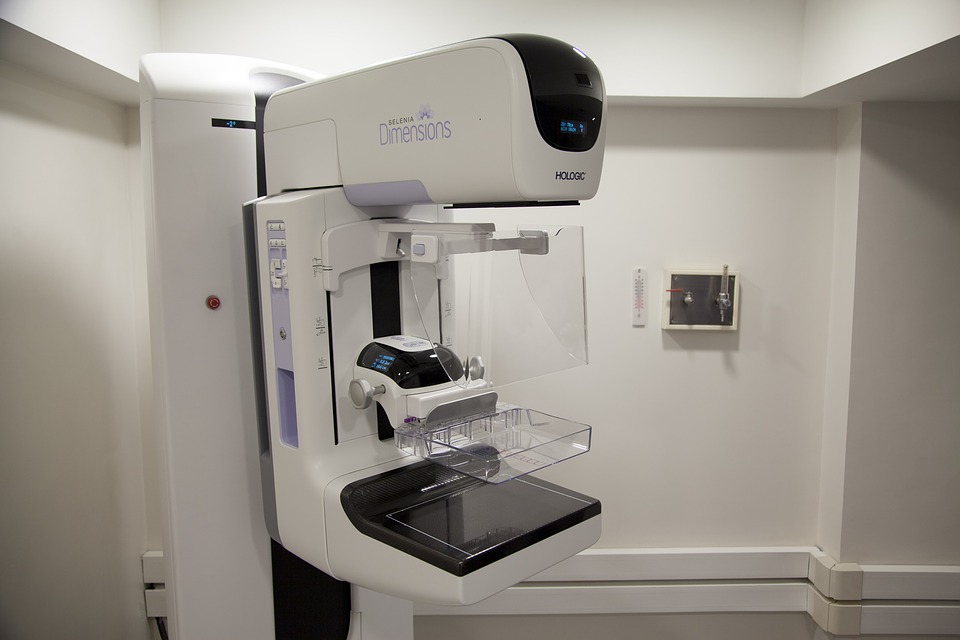
Meanwhile, WebMD reveals that higher breast tissue density may increase a person’s chances of developing breast cancer. Many medical facilities in the United States are being urged to inform the women who undergo mammograms if they have high breast density tissue.
However, a new study that was conducted on this subject reveals that this may not be as helpful to women. While the objective of informing women if they have dense breast tissue is to be able to talk about their personal risk of developing breast cancer, later on, the study found that not many women actually understood what this would mean for them. Therefore, the researchers concluded that doctors or health care providers need to word their explanations properly, so it is understood and, at the same time, reduce other consequences like having anxiety regarding this.













