


 Vietnam’s Trade Surplus With US Jumps as Exports Surge and China Imports Hit Record
  South Africa Eyes ECB Repo Lines as Inflation Eases and Rate Cuts Loom
  India–U.S. Interim Trade Pact Cuts Auto Tariffs but Leaves Tesla Out
  Global Markets Slide as AI, Crypto, and Precious Metals Face Heightened Volatility
  Trump’s Inflation Claims Clash With Voters’ Cost-of-Living Reality
  Japanese Pharmaceutical Stocks Slide as TrumpRx.gov Launch Sparks Market Concerns
  Russian Stocks End Mixed as MOEX Index Closes Flat Amid Commodity Strength
  Lee Seung-heon Signals Caution on Rate Hikes, Supports Higher Property Taxes to Cool Korea’s Housing Market
  Oil Prices Slip as U.S.-Iran Talks Ease Middle East Tensions
  U.S.-India Trade Framework Signals Major Shift in Tariffs, Energy, and Supply Chains
  Gold and Silver Prices Slide as Dollar Strength and Easing Tensions Weigh on Metals
  Dow Hits 50,000 as U.S. Stocks Stage Strong Rebound Amid AI Volatility
  Indian Refiners Scale Back Russian Oil Imports as U.S.-India Trade Deal Advances
  Dollar Near Two-Week High as Stock Rout, AI Concerns and Global Events Drive Market Volatility
  Japan Economy Poised for Q4 2025 Growth as Investment and Consumption Hold Firm
  Nikkei 225 Hits Record High Above 56,000 After Japan Election Boosts Market Confidence


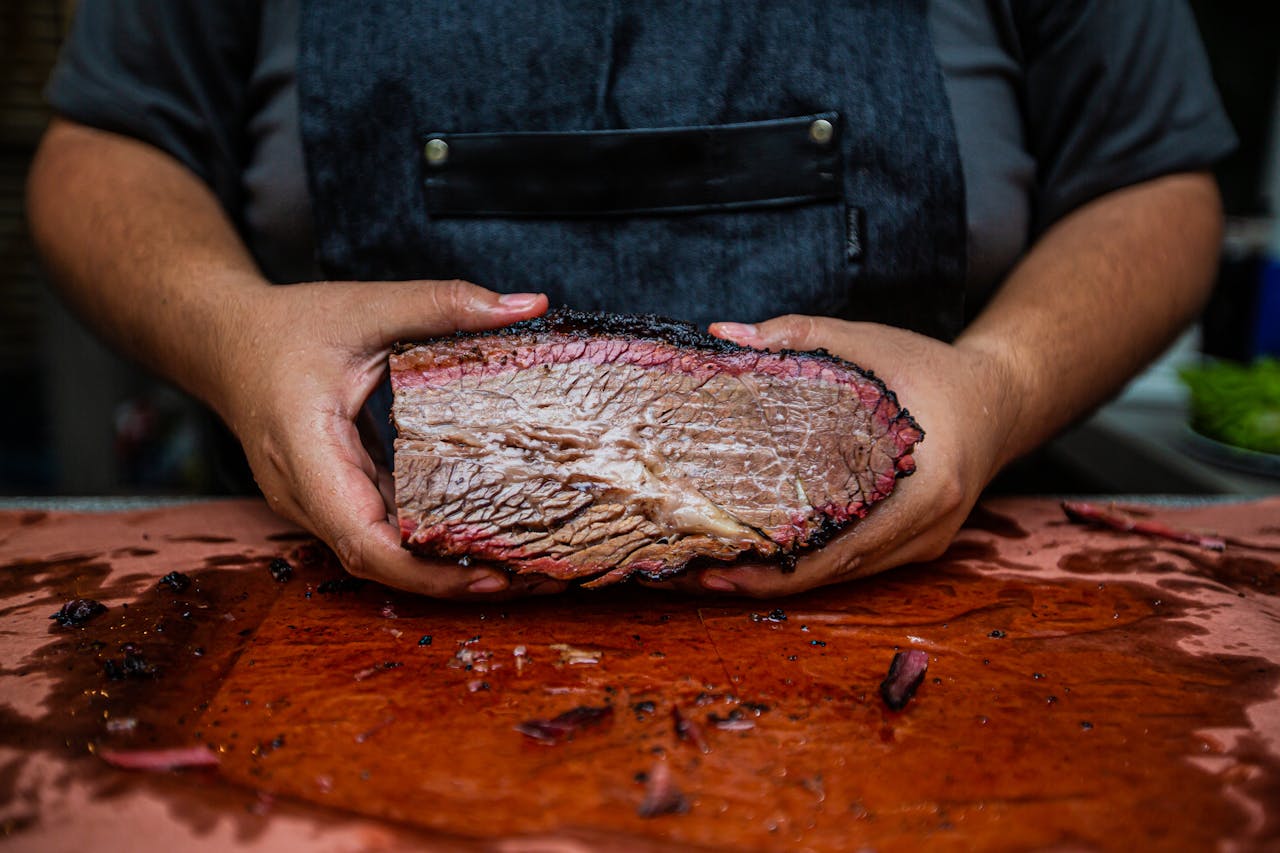
Brazil’s beef exports to the United States are expected to decline sharply in September, following steep tariffs imposed by President Donald Trump. According to Roberto Perosa, head of the Brazilian Beef Exporters Association (Abiec), shipments will fall to about 7,000 metric tons, compared with 9,000 tons in August and 30,000 tons per month prior to the tariffs.
The U.S. had been Brazil’s second-largest beef buyer, behind China. However, after Trump introduced a 50% levy on several Brazilian imports in August, Mexico surpassed the U.S. as Brazil’s number two beef market. The new tariff comes on top of an existing 26.4% import tax for beef shipped outside quota limits, creating an overall duty of 76.4%.
Despite the steep costs, exports continue, highlighting Brazil’s global competitiveness. “The loss of our second-largest market makes a difference,” Perosa noted at a Datagro event. “But surprisingly, even with the 76.4% tariff, there are still exports to the U.S. because of the competitiveness we have gained.”
The decline underscores shifting trade dynamics in the global beef industry. While China remains Brazil’s top destination, the loss of the U.S. market represents a significant challenge for producers. Mexico’s rise as a major buyer offers some relief, but the higher costs in the U.S. market could reshape long-term export strategies.
Brazil remains the world’s largest beef exporter, leveraging efficiency and price advantages to maintain a strong international presence. However, escalating trade barriers in the U.S. add uncertainty to future growth, raising concerns over potential impacts on revenue and market diversification.













