


 SK Hynix, Intel Discuss U.S. Memory Chip Production Deal
  Volkswagen Shares Slide After 2026 Profit Outlook Cut
  Trump Bans CNN, MS NOW and Politico From White House
  Nike Earnings at Risk as UBS Cuts Price Target to $42
  Supertanker Orders Surge as US-Iran War Reshapes Oil Trade
  NASA, Boeing Discuss Expanding Starliner Missions
  Meta CEO Zuckerberg Backs Independent AI Safety Reviews Over Development Slowdown
  Japan, U.S. Discuss $19 Billion GlobalFoundries Chip Plant
  Petrobras Joins Brazil Diesel Subsidy Program
  US Federal Register Drops Alibaba Qwen AI Search Tool
  American Airlines Eyes Capacity Cuts as High Fuel Prices Persist
  Hyundai CEO Warns Chinese Automakers Could Disrupt US Market
  Allegro Raises 2026 Outlook as International GMV Surges
  White House Bars CNN, MS NOW and Politico Reporters
  LVMH-Hermès Dispute Deepens Over Secret 2002 Share Deal
  Holtec Nuclear Postpones $900 Million U.S. IPO
  SpaceX Nasdaq 100 Weight to More Than Double in Rebalance


 Add as a preferred source on Google
Boeing has agreed to a $51 million settlement with the US State Department to address nearly 200 export violations. The violations, which include unauthorized exports of technical data to China, were disclosed by the US aerospace company.
Barron's reported that the export violations by Boeing span over several years and have been voluntarily reported to the State Department. Among the infractions highlighted were the unauthorized export of defense items and technical information to foreign employees and contractors.
Civil Penalty and Compliance Measures
The Malaysian Reserve reported that as part of the settlement terms, Boeing will pay a civil penalty of $51 million, with $24 million being suspended to enable Boeing to enhance its compliance program. Additionally, Boeing must appoint an external special compliance officer for at least two years and undergo at least two external audits of its compliance program.
Boeing expressed its commitment to trade control obligations and stated its readiness to collaborate with the State Department under the settlement agreement. The company emphasized that most of the violations predating 2020 have been addressed through significant improvements in its trade controls compliance program.
Continuous Improvement
Boeing reiterated its dedication to the continuous enhancement of its compliance program. The compliance measures outlined in the agreement are aimed at advancing the objective of continual improvement in Boeing's trade controls compliance program.
Financial Impact
The $51 million settlement between Boeing and the US State Department marks a significant step in addressing the export violations, including those related to China. Boeing's commitment to compliance and the implementation of stringent measures signify a proactive approach toward trade control regulations.
The financial impact on Boeing due to the $51 million settlement, while substantial, is expected to be manageable given the corporation's size and revenue streams. Nevertheless, the reputational damage associated with such violations could have longer-term implications. Compliance with international trade regulations is crucial for maintaining trust with governments, customers, and partners worldwide.
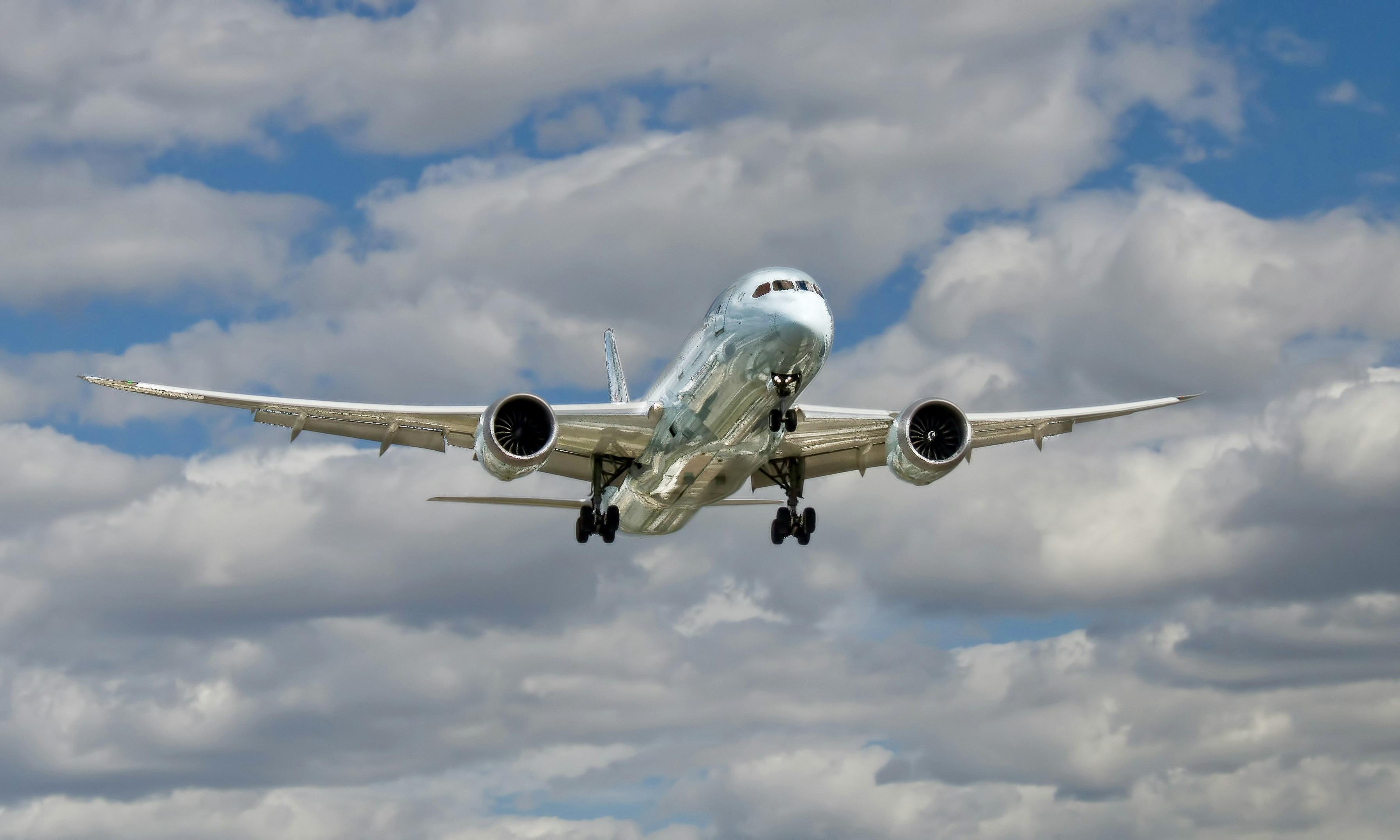
Photo: John McArthur/Unsplash







