


 SoftBank Corp Partners With Sierra to Expand AI Customer Support Across Japan
  Deutsche Bank Fined A$2 Million by ASIC Over OTC Derivatives Reporting Errors
  Muji Owner Ryohin Keikaku Stock Soars After Raising Full-Year Earnings Forecast
  DOJ Grand Jury Investigates UAW President Shawn Fain Ahead of Union Election
  Paramount-Warner Bros. Discovery Merger Faces Lawsuit From 12 States
  SK Hynix Shares Drop After Strong Nasdaq Debut Despite $26 Billion ADR Listing
  Samsung to Launch First Yongin Chip Plant by 2029 as South Korea Speeds Up Semiconductor Hub
  Mastercard Explores Sale of Majority Stake in UK Payments Firm Vocalink: Report
  AstraZeneca Shares Sink After Wainua Trial Misses Key Heart Disease Goal
  Apple Sues OpenAI, Former Employees Over Alleged Trade Secret Theft
  Australia Flags Child Safety Gaps at Apple, Meta, Google Over Online Sexual Extortion
  UBS Starts CarTrade Tech With Buy Rating, Sees Strong Earnings Growth and ₹4,000 Target
  Kitron Q2 Revenue Beats Estimates as Defense Demand Lifts Growth
  Samsung Chairman Lee Jae-yong Expected to Meet Nvidia CEO Jensen Huang on AI and Chip Partnership
  Morgan Stanley Names Marks & Spencer Top European Retail Pick, Sees Strong Upside
  Elon Musk Says Anthropic Leads AI Race as Claude Models Challenge OpenAI
  OpenAI Executive Fidji Simo to Step Down Amid Health Challenges Ahead of IPO


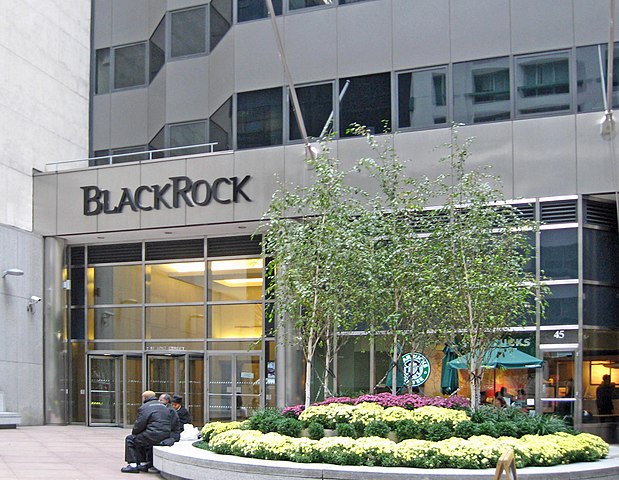
BlackRock Inc. (NYSE: BLK), the world’s largest asset manager, is cutting hundreds of jobs across its global operations as it continues to manage rising costs and reshape its long-term strategy. According to a Bloomberg News report citing people familiar with the matter, the workforce reduction amounts to roughly 1% of BlackRock’s total headcount, or about 250 employees worldwide.
The job cuts span multiple divisions, including investment teams and sales operations, highlighting a broad-based effort to streamline expenses rather than targeting a single business unit. BlackRock employs more than 20,000 people globally, and the latest round of layoffs reflects ongoing pressure across Wall Street as major financial firms adjust to changing market conditions, slower asset inflows, and tighter cost controls.
This move comes as Chief Executive Officer Larry Fink continues to reshape BlackRock’s business model, with a strong emphasis on expanding into alternative investments such as private credit, infrastructure, and private equity. In July, BlackRock completed a $12 billion acquisition of HPS Investment Partners, a private credit firm, a deal that significantly bolstered its alternatives platform. The integration of HPS has also brought new leadership into the organization, contributing to operational changes across the firm.
In addition, BlackRock is preparing to launch new investment products designed specifically for wealthy retail investors, aiming to capture demand for alternative assets beyond traditional institutional clients. While these strategic initiatives signal growth ambitions, the company is simultaneously seeking efficiencies as it balances investment spending with profitability.
The latest job reductions follow two similar rounds of layoffs carried out last year, each also cutting about 1% of BlackRock’s workforce. Those earlier cuts underscored management’s willingness to make incremental adjustments rather than sweeping layoffs.
As market volatility persists and competition intensifies in asset management, BlackRock’s decision to reduce headcount reflects a broader industry trend. Major Wall Street firms are increasingly focused on cost discipline while repositioning their businesses for long-term growth in higher-margin investment segments.







