


 UN Backs ICJ Climate Ruling Despite U.S. Opposition
  U.S. Removes Francesca Albanese From Sanctions List After Court Ruling
  Raul Castro Indicted by U.S.: Cuba’s Revolutionary Leader Faces Renewed Scrutiny in 2026
  US Senate Advances Iran War Powers Resolution in Rare Rebuke to Trump
  Flavio Bolsonaro Admits Meeting Banco Master Owner Amid Brazil Election Turmoil
  China to Buy 200 Boeing Jets, Push for Extended U.S. Trade Deal
  Trump Administration to Announce Charges Against Raul Castro Over 1996 Cuba Shootdown
  U.S.-Iran Nuclear Talks Show Progress as JD Vance Signals Hope for Deal
  Bessent Urges Allies to Crack Down on Iran Financing Networks
  Vance Says Delayed Poland Troop Deployment Is Not a U.S. Withdrawal From Europe
  Xi and Putin Summit in Beijing Signals Stronger China-Russia Alliance
  NATO Split Over Potential Strait of Hormuz Mission as Alliance Awaits Political Consensus
  Kast Reshuffles Cabinet as Chile Pushes Tougher Security Agenda
  Russia Downs Drones Near Moscow as Airstrikes Hit Ukraine’s Izmail Port
  Vance and Rubio Intensify 2028 Republican Succession Battle Amid Trump Approval Slide
  Canada Condemns Israel Over Gaza Flotilla Activists as Tensions Escalate
  Venezuela to Release 300 Prisoners Amid Ongoing Human Rights Debate


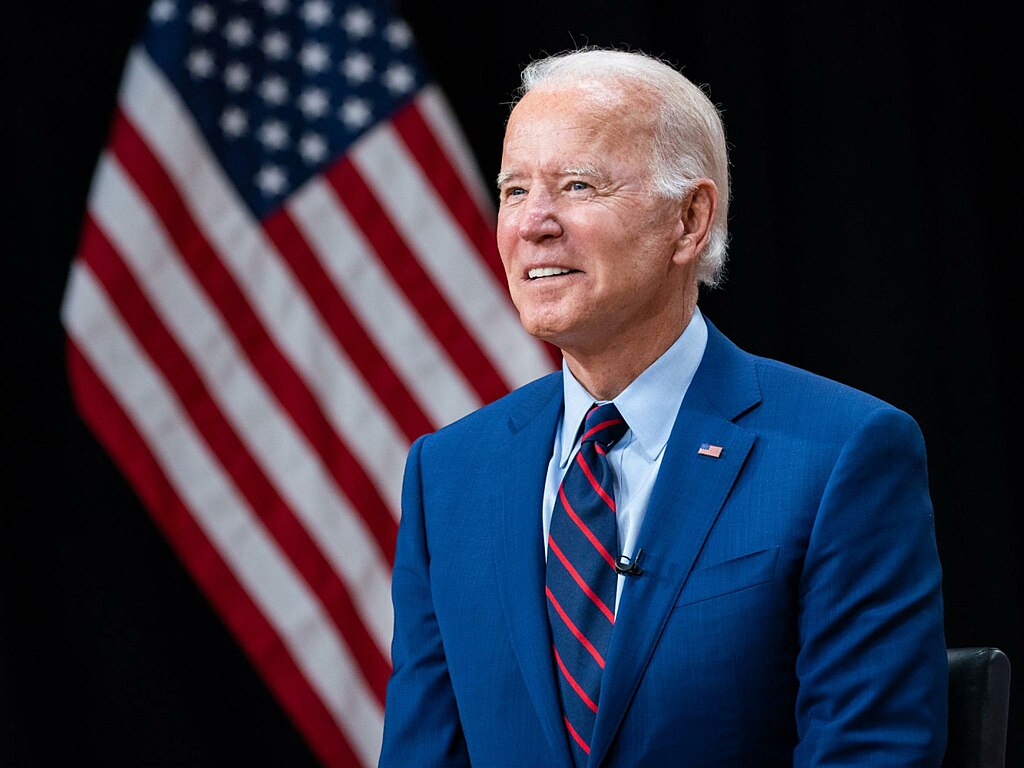
President Joe Biden announced a $1 billion aid package aimed at assisting African nations rebuild homes and infrastructure devastated by natural disasters. This sweeping commitment comes as part of a broader effort to address climate resilience in vulnerable regions, but the decision has ignited fierce debate among critics questioning the allocation of U.S. resources abroad.
The announcement, made during a White House briefing on global disaster relief efforts, underscores the administration's continued focus on combating the effects of climate change in developing nations. According to Biden, the funds will be used to rebuild housing, repair infrastructure, and bolster local economies ravaged by floods, droughts, and other climate-related disasters.
Rebuilding Communities Across Africa
The $1 billion initiative will prioritize regions most affected by recent natural disasters, including parts of East and West Africa. These areas have faced catastrophic flooding, prolonged droughts, and cyclones, leaving millions displaced and critical infrastructure in ruins. The funding will support efforts to reconstruct homes, establish resilient housing standards, and restore essential public services.
Biden emphasized the humanitarian need behind the aid package, stating that such support is vital to ensuring stability in affected regions. Humanitarian organizations have praised the move, citing the devastating toll climate change has taken on Africa's vulnerable populations.
However, some lawmakers and activists have expressed concerns about the initiative’s timing, arguing that similar investments should be directed toward U.S. communities grappling with their own crises. Critics point to ongoing struggles in regions hit by hurricanes and wildfires, where residents are still waiting for significant federal relief.
Critics Question Aid Priorities
Biden’s billion-dollar pledge has sparked outrage from detractors who argue that domestic challenges deserve greater attention. Social media erupted with criticism, with many users questioning the decision to send resources abroad while issues like homelessness and disaster recovery persist in the United States.
Republican lawmakers have also weighed in, calling for greater accountability in foreign aid spending. “While we understand the need for global solidarity, Americans expect their tax dollars to be used at home first,” one lawmaker stated in a press release.
Supporters of the initiative argue that climate change is a global crisis that requires a collaborative response. “By helping other nations, we’re not just providing aid—we’re investing in a more stable world,” a State Department official noted.
Netizens Share Mixed Reactions
The announcement has ignited a firestorm of debate on social media, with opinions divided:
- @AmericanFirst: “Our people in Florida are still recovering from last year’s hurricane. Biden’s priorities are backwards!”
- @ClimateWarrior: “Climate change doesn’t respect borders. Helping Africa is helping everyone in the long run.”
- @DisasterReliefAdvocate: “While I agree we need to help others, let’s not forget our own struggling communities.”
- @TaxpayerRant: “Another billion gone. How about fixing infrastructure here first, Joe?”
- @GlobalAidNow: “This is what leadership looks like. Kudos to Biden for stepping up for vulnerable nations.”
- @CynicalCitizen: “Can’t even fix the housing crisis at home, but there’s always money for other countries.”
Biden Faces Mounting Pressure Over Aid Strategy
As the debate rages on, Biden’s administration will likely face mounting pressure to justify the allocation of funds amid growing domestic needs. With the 2024 election season heating up, this decision could become a flashpoint in broader discussions about U.S. foreign aid and climate policy.







