


 NATO Chief Tries to Ease Trump Alliance Dispute
  ICC Judges Sue Trump Administration Over Sanctions, Calling Measures Unlawful
  Trump Threatens ABC News Lawsuit Over Lincoln Memorial Reflecting Pool Coverage
  Crimea Power Outage After Ukrainian Drone Attack, Russian Authorities Say
  U.S. Reviewing Potential F-35 Fighter Jet Sale to Turkey Amid S-400 Dispute
  California Court Dismisses Trump Administration Lawsuit Against Los Angeles Sanctuary Policy
  US Delivers $13M Autonomous Maritime Drones to Philippines
  Pelosi Discloses Major Intel and Uber Call Option Purchases Worth Up to $6 Million
  Andy Burnham Emerges as Favorite After Keir Starmer Resigns
  White House Seeks $1.4 Billion to Combat Growing Ebola Outbreak
  U.S. Eases Iran Team Travel Restrictions Ahead of Seattle World Cup Match
  Rubio Faces Gulf Skepticism Over U.S.-Iran Peace Deal
  DOJ Opens Investigation Into NYC Coffee Shop Over Anti-Goldman Social Media Post
  Russia Signals Frustration Over Unfulfilled U.S. Commitments After Alaska Summit
  UNAIDS Urges U.S. to Reconsider South Africa HIV Funding Withdrawal
  Marco Rubio Reassures Gulf Allies Over U.S.-Iran Peace Deal


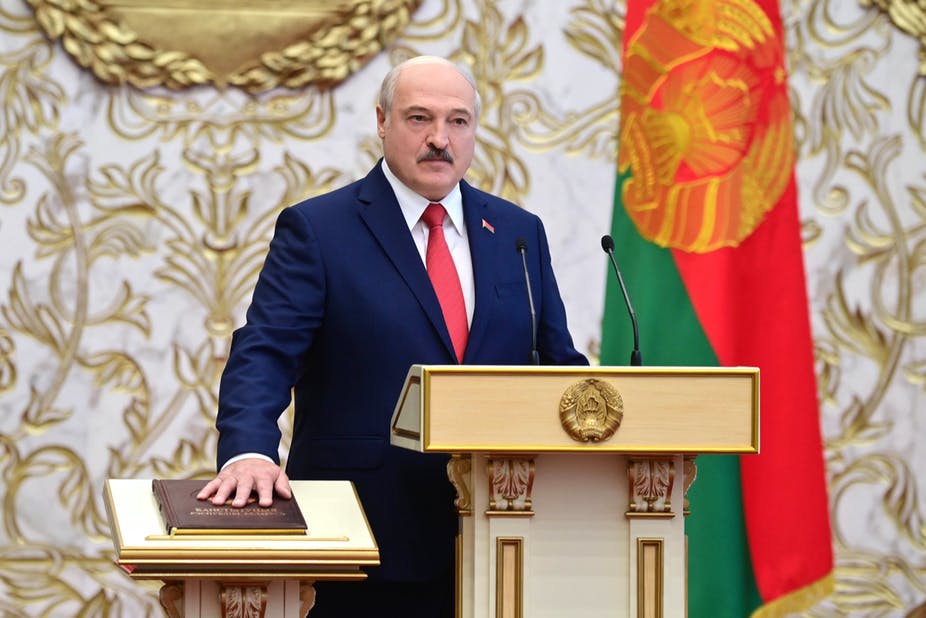
Belarus announced on Thursday that it was unable to attend the inaugural meeting of U.S. President Donald Trump’s newly formed Board of Peace in Washington after failing to receive the required U.S. visas. The development adds another layer of complexity to ongoing diplomatic efforts between the United States and Belarus, a close ally of Russia that is often excluded from major international gatherings.
According to Belarus’ Foreign Ministry, Foreign Minister Maxim Ryzhenkov was scheduled to participate in the high-profile meeting, and U.S. officials had been formally notified of the delegation’s plans. However, despite completing all necessary procedures, the Belarusian delegation did not receive entry visas in time. In a statement, the ministry questioned the credibility of peace-building efforts if “basic formalities” such as visa issuance could not be resolved.
Belarus has faced extensive Western sanctions for years over alleged human rights violations under President Alexander Lukashenko, who has been in power since 1994. Sanctions intensified significantly after Minsk allowed Russian forces to use Belarusian territory during Moscow’s 2022 invasion of Ukraine. The geopolitical fallout further strained Belarus–U.S. relations and limited Minsk’s participation in international forums.
In recent months, however, President Trump has made diplomatic overtures toward Belarus as part of a broader normalization strategy. Some sanctions were eased in exchange for the release of detainees described by Western governments as political prisoners. Lukashenko reportedly accepted an invitation last month to join the Board of Peace, which was initially proposed by Trump in September alongside his plan to end the Israel-Gaza war. The board’s mandate has since expanded to address other global conflicts.
Trump has referred to Lukashenko as a “highly respected” leader, a characterization sharply criticized by Belarusian opposition figures in exile, who label him a dictator. Representatives from 47 countries attended the Board of Peace meeting, highlighting its international scope despite Belarus’ absence.







