


 Australia Trade Surplus Shrinks Sharply as Imports Surge
  US Stocks Slip as Treasury Yields Ease, AI Trade Rebounds
  Asian Stocks Rise as Bond Yields Ease Ahead of U.S. Inflation Data
  Gold Plunges 4% as Treasury Yields Surge and Fed Rate Hike Bets Rise
  BOJ Signals Faster Rate Hikes as Inflation Risks Grow
  Dollar Hits Three-Month High as US Treasury Yields Surge
  BOJ Flags Import Costs and Yen Shocks as Persistent Inflation Risks
  Yen Sinks as BOJ Rate Hike Fails to Impress Markets
  Global Central Banks Brace for More Rate Hikes as Inflation Risks Rise
  Oil Prices Jump Nearly 3% as Iran Holds Firm on Hormuz Conditions
  ECB May Stop Rate Hikes After December, Capital Economics Says
  Trump Demands Powell Resign Over Fed Renovation Cost Overruns


 Add as a preferred source on Google
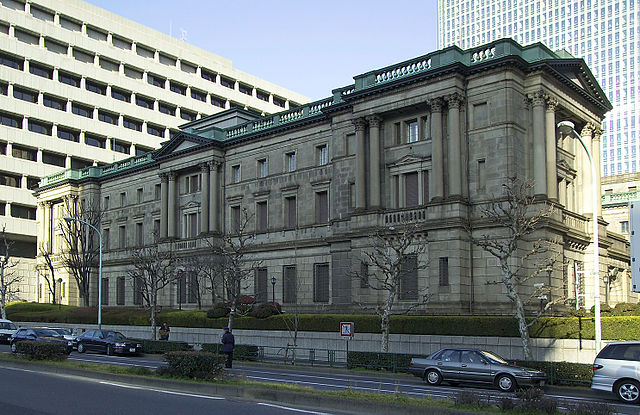
Bank of Japan (BOJ) Deputy Governor Shinichi Uchida stated on Friday that the central bank may raise interest rates further if there’s a stronger chance of reaching its 2% inflation target. His comments come amid rising concerns about the global economic impact of new U.S. tariffs.
Global markets dropped sharply on Thursday following U.S. President Donald Trump’s announcement of sweeping tariffs, sparking fears of a trade war and global recession. Uchida warned the tariffs could hit both global and Japanese economies through multiple channels, including trade disruptions, declining business confidence, and financial market volatility.
“These tariffs are likely to exert downward pressure on the global and Japanese economies,” Uchida told parliament. While slowing growth may suppress prices, disrupted supply chains could also drive inflation higher, he explained.
Uchida emphasized the BOJ’s commitment to adjusting monetary policy based on evolving economic data. “If the economy continues to improve and the likelihood of hitting the 2% inflation target increases, we will raise interest rates and adjust the level of monetary support,” he said. Each policy decision will be made without preconceptions and based on updated economic and price forecasts.
The BOJ faces a delicate balance between supporting growth and addressing inflation risks, particularly as external shocks like U.S. tariffs cloud the economic outlook. Uchida's comments reflect growing awareness within the BOJ of the potential inflationary and deflationary pressures stemming from global trade tensions.
As Japan monitors developments in global trade policy, future BOJ rate hikes will depend on whether domestic economic conditions and inflation expectations align with the central bank's targets.







