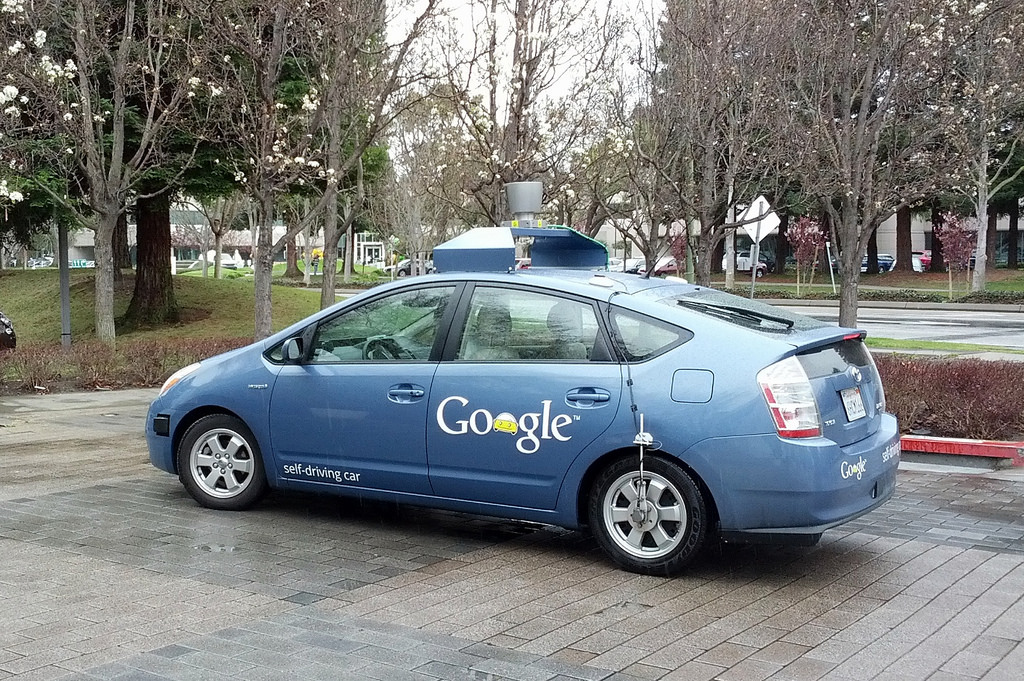
According to a study that was commissioned by chipmaker giant Intel and conducted by Strategy Analytics, the self-driving industry could be worth $7 trillion annually by 2050. These figures are in line with a lot of the expectations regarding efforts to make cars autonomous. The study does help provide investors a clear picture regarding the future of the auto industry.
In the study titled “Accelerating the Future: The Economic Impact of the Emerging Passenger Economy,” Strategy Analytics found that the shift in trend in terms of how cars are sold and used will bring a major change in the industry over the succeeding decades. Called a new kind of Passenger Economy, it basically involves turning driving into less of a product and more of a service.
“Our research finds that autonomous driving technology will enable a new Passenger Economy worth US$7 trillion in 2050,” the paper reads. “It will drive change across a range of industries, displacing vehicle ownership with Mobility-as-a Service, and defining a new landscape of concierge and ride-hailing services, as well as pilotless vehicle options for businesses in industries like package delivery and long-haul transportation.”
For the most part, it would seem that a lot of that revenue will be generated from the consumer side of things, which makes up $4 trillion of the total. Businesses will make up the rest of the $3 trillion, Futurism notes.
Aside from the obvious fare of Tesla cars or Ford SUVs equipped with their own autonomous driving technologies, there will also be self-driving trucks. The latter is already picking up speed in several countries, and Tesla itself is set to reveal exactly the kind of Semi-truck expected from the tech giant.
Naturally, that kind of growth is going to be slow, with the market not expected to reach $800 billion annually until 2035. From there, it’s going to have a snowball effect, which will impact several major industries that span the globe.