


 US Treasury Yields Ease After Strong 10-Year Auction as Global Bonds Struggle
  Bangladesh GDP Growth Accelerates to 4.6% on Industrial Rebound
  US-Led Coalition Targets Global Factory Overcapacity
  Oil Prices Rise as Hormuz Risks Offset IEA Stock Release
  US Dollar Hits 18-Month High as Fed Signals More Rate Hikes
  Asian Currencies Steady as Dollar Eyes Fourth Weekly Gain
  Oil Prices Trim Gains After Trump Rules Out Iran Strikes Before Midterms
  Wall Street Falls as Oil Prices Rise and Tech Stocks Slide
  Mike Rogers Calls for End to US-Canada Tariff War
  Gold Prices Fall as Fed Signals Another Rate Hike


 Add as a preferred source on Google
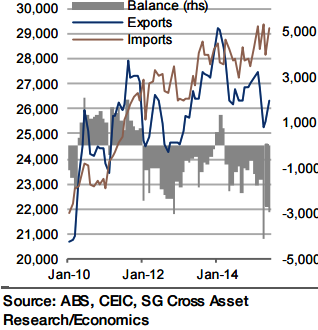
According to the official advanced estimate, imports were practically unchanged in July from June (0.2% mom), meaning that they remained at a high level, and were up by around 4.5% yoy. That said, all of this gain, and more, can be explained by the exchange rate, which in trade-weighted terms was down 13.5% yoy in July.
The volume of imports was estimated about flat over the past year, with the difference explained by weakness in commodity prices, specifically oil, of which Australia is a net importer. Exports, meanwhile, are expected to have continued their recovery after the 8.1% decline they suffered in March/April, but faced a serious headwind in July as the price of iron ore plummeted 17% from June (Port of Qingdao).
"Still, China's July figures for imports from Australia jumped to -4.5% yoy from - 26.5% in June, a move that can only partly be explained by a base effect. Overall, a muted 0.5% increase is expected in exports. As a consequence, the trade deficit should only improve fractionally", says Societe Generale.

- News

- Economy

- Central Banks
- Investing
- Research
- Roundups
- Digital Currency
- Insights
- Technical Analysis
- Technology
- Business
- Law
- Health
- Nature
- Fintech
- Science
- Topic
- Opinions
- ©Econometrics LLC . All Rights Reserved.
Australia's robust imports and weak export prices keep trade deficit elevated
Monday, August 31, 2015 6:09 AM UTC
Editor's Picks



- Market Data
Most Popular




