


 Asian Currencies Weaken as Dollar Rebounds Amid Middle East Uncertainty and Japan Inflation Data
  Asian Stocks Gain Amid Iran Conflict Uncertainty
  Bank of Japan Eyes April Rate Hike Despite Inflation Dip, ING Says
  WTO Reform Talks Begin in Cameroon Amid Global Trade Tensions
  Japan's Private Sector Growth Slows in March Amid Rising Costs and Middle East Uncertainty
  Australia-EU Free Trade Deal Signed After Years of Negotiations
  Oil Prices Climb as Iran Reviews U.S. Peace Proposal Amid Middle East Tensions
  U.S. Dollar Weakens as Trump Signals Iran Deal Possibility
  Gold Prices Climb as Middle East Ceasefire Talks Stir Market Optimism
  U.S. Stock Futures Steady as Iran Reviews U.S. Ceasefire Proposal
  Bank of Japan Officials Signal Continued Interest Rate Hikes Amid Inflation Concerns
  Federal Reserve Balance Sheet Reduction: Brookings Research Outlines Possible Path Forward
  Oil Prices Plunge Over 6% as Middle East Ceasefire Hopes Ease Supply Fears
  U.S. Oil Prices Slide as Middle East Ceasefire Talks Spark Market Optimism
  Oil Prices Rebound as Iran Denies U.S. Talks, Middle East Tensions Persist
  Japan Eyes Oil Futures Intervention to Stabilize Yen Amid Middle East Crisis


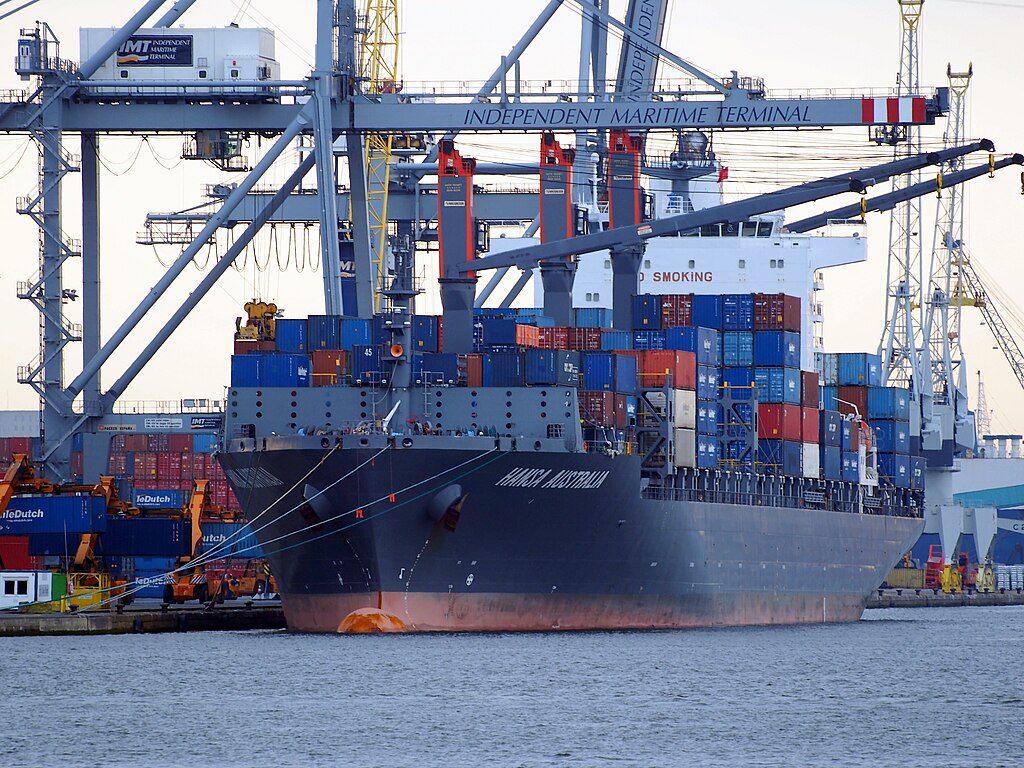
Australia’s trade surplus plummeted to its lowest level in over four years in February, as a sharp drop in exports and a rise in imports dealt a double blow to the country’s trade performance. The trade balance came in at A$2.97 billion, missing market forecasts of A$5.38 billion and falling from A$5.16 billion in January, according to data released by the Australian Bureau of Statistics.
The decline marks the weakest monthly trade surplus since August 2020, underscoring mounting pressures on Australia’s export sector. Total exports fell by 3.6% month-on-month, reversing a 0.8% increase in January. The drop was primarily driven by a sharp decline in non-monetary gold shipments, along with weaker demand for key commodities such as coal and metals.
China, Australia’s top trading partner, continued to show sluggish demand due to ongoing tensions with the U.S. and broader economic uncertainty, further weighing on resource exports.
Meanwhile, imports rose by 1.6% in February, rebounding from a 0.4% drop in January. The increase was fueled by stronger demand for consumer goods like household electronics and leisure products, as well as a notable uptick in capital goods imports.
The widening gap between exports and imports highlights shifting trade dynamics, with domestic consumption recovering while external demand, particularly from China, remains fragile.
Australia’s narrowing trade surplus could add pressure to the country’s economic outlook, especially as global trade tensions persist and commodity prices fluctuate. Economists will be closely watching upcoming trade data for signs of stabilization or further weakness.













