


 Dollar Strengthens Amid Oil Price Surge and Inflation Fears
  Trump Administration Launches Trade Investigations Against 16 Countries Over Industrial Overcapacity
  German Exports Drop 2.3% in January, Exceeding Forecast Decline
  U.S. Futures Slide as Oil Prices Surge on Middle East Shipping Attacks
  Gold Prices Slip as U.S.-Israel-Iran War Fuels Dollar and Oil Demand
  Gold Prices Climb Above $5,200 as Iran War Uncertainty and Inflation Data Loom
  RBA Rate Decision: Deputy Governor Signals Genuine Debate Ahead of March Meeting
  Venezuela Names Paula Henao as New Oil Minister Amid U.S.-Led Industry Overhaul
  Diesel Price Surge Threatens Global Economy Amid Middle East Conflict
  Dollar Steadies as Traders Await Clarity on U.S.-Israel-Iran War
  Asia FX Steady as Iran War Signals and U.S. Inflation Data Weigh on Sentiment
  Bank of Japan Expected to Hold Rates at 0.75% Before June Hike Amid Middle East War Uncertainty
  Asian Currencies Face Pressure as U.S.-Iran Conflict Weighs on Markets
  Chinese AI Stocks Surge as Tencent, MiniMax, and Zhipu Launch Agentic AI Programs
  U.S. Solar Market Contracts in 2025 as Trump Rolls Back Renewable Energy Incentives
  U.S.-Israel War on Iran Sends Crude Oil Prices Surging Amid Strait of Hormuz Tensions


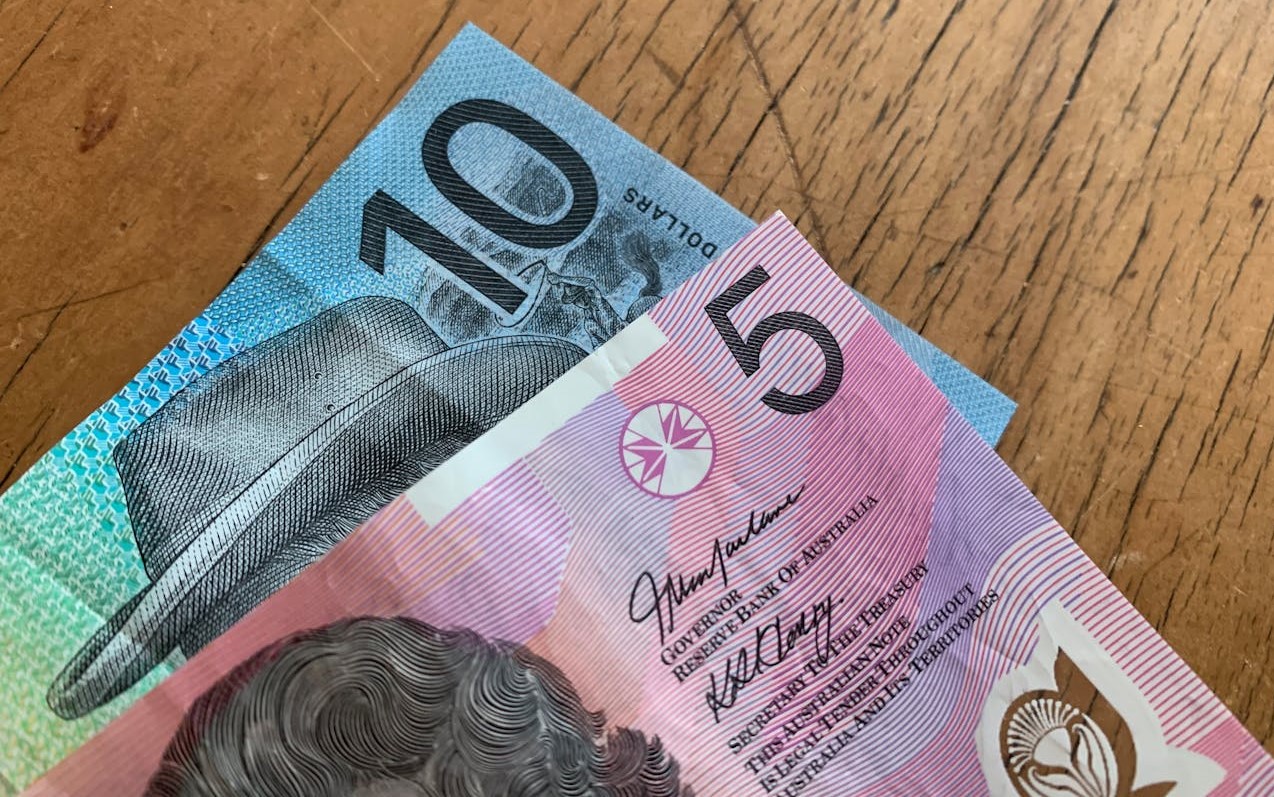
The Australian dollar surged to a 15-month high on Thursday, supported by improving global risk sentiment and a surprisingly strong domestic employment report that reshaped expectations for Reserve Bank of Australia (RBA) interest rate policy. The Aussie climbed 0.4% to trade near $0.6791, breaking above key technical resistance at $0.6766 and opening the path toward higher targets around $0.6824 and the 2024 peak of $0.6943.
Investor confidence improved after signs of easing tensions between the United States and Europe. Comments from U.S. President Donald Trump indicating he would not pursue new tariffs on European countries and would refrain from using force to take Greenland helped lift global markets and risk-sensitive currencies such as the Australian dollar.
Domestic factors played an even larger role in the rally. Australia’s employment rose sharply by 65,200 jobs in December, more than double market expectations of a 30,000 increase and a strong rebound from the previous month’s decline. The unemployment rate unexpectedly fell to 4.1%, its lowest level in seven months and well below the RBA’s forecast of 4.4%. These figures suggest the Australian economy is gaining momentum faster than policymakers had anticipated, supported by improving consumer spending and tight labor market conditions.
As a result, markets rapidly increased the probability of an RBA rate hike. Expectations for a 25-basis-point increase in the cash rate at the February 3 meeting jumped to 54% from 27% prior to the data, with a hike now fully priced in by May. Three-year Australian bond futures fell to their lowest levels since late 2023, reflecting shifting interest rate outlooks.
Attention now turns to upcoming inflation data for the December quarter. A rise in core inflation of 0.9% or more would further strengthen the case for near-term monetary tightening. Meanwhile, the Australian dollar also reached multi-month highs against the yen and the euro, while the New Zealand dollar firmed on broader optimism, highlighting renewed strength across Antipodean currencies.













