


 ECB May Stop Rate Hikes After December, Capital Economics Says
  Oil Prices Jump Nearly 3% as Iran Holds Firm on Hormuz Conditions
  Fed’s Williams Signals One More Rate Hike Before Year-End
  Yen in Focus as BOJ, Fed Rate Hikes Reshape Currency Markets
  US Dollar Hits Two-Month High as Aussie, Pound Slide
  Gold Holds Near Seven-Week Low as Fed Rate Hike Bets Rise
  BOJ Set for 25-Basis-Point Rate Hike as Yen Weakness Fuels Inflation
  China Cuts Tariffs on U.S. Farm Goods but Excludes Soybeans
  Oil Surge Pressures Global Stocks as U.S.-Iran Truce Hopes Fade
  Central Banks Could Buy 20,000 Tonnes of Gold: BofA
  China, US Extend Trade Truce Through January 10 After Trump-Xi Summit
  Japan Warns Markets Over Yen Weakness
  Fed’s Hammack Says Bond Yield Surge Is Not Driven by Inflation Fears
  RBA Says ASX Still Falls Short on Governance and Risk Controls


 Add as a preferred source on Google
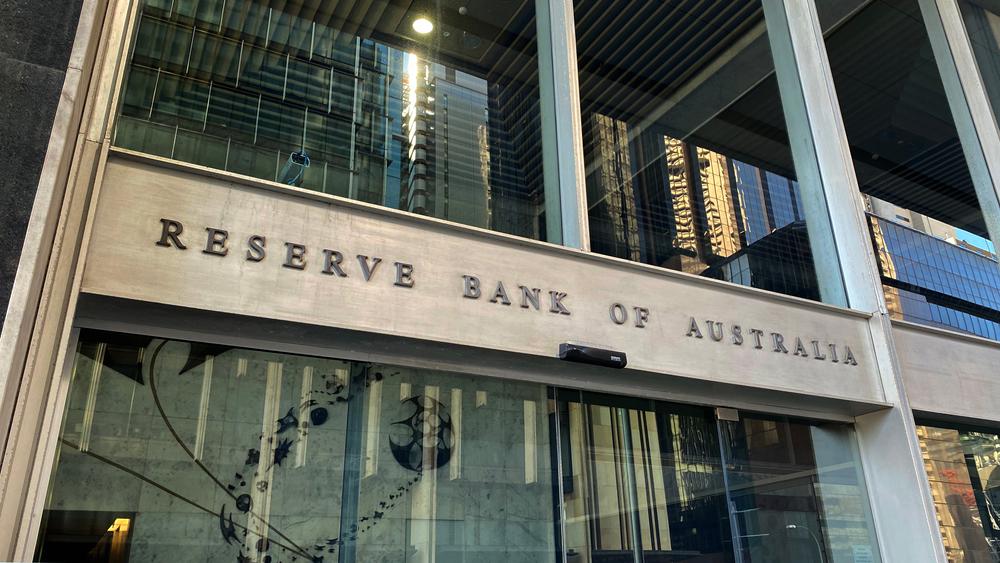
A senior official at the Reserve Bank of Australia (RBA) has reinforced the central bank’s firm commitment to curbing inflation, warning that price pressures remain uncomfortably high despite signs of resilience across the economy. Speaking on Wednesday at a business lunch, RBA Deputy Governor Andrew Hauser emphasized that policymakers are prepared to take all necessary steps to bring inflation back under control.
Hauser noted that while several sectors of the Australian economy are performing strongly, overall economic growth is beginning to strain against existing capacity constraints. This imbalance, he explained, is contributing to ongoing inflationary pressures, making it harder for price growth to return to the RBA’s target range. His comments underline growing concern within the central bank that inflation risks remain elevated even as parts of the economy continue to expand.
Last week, the RBA raised its benchmark cash rate by 25 basis points to 3.85%, marking a shift in monetary policy direction. The move effectively reversed one of the three interest rate cuts delivered last year, signaling that the era of easing may be over for now. The rate hike reflects the central bank’s assessment that inflation is proving more persistent than previously expected, requiring a tighter policy stance.
Importantly, the RBA also made clear that further interest rate increases are possible if inflation does not slow in line with forecasts. Hauser’s remarks suggest policymakers are closely monitoring economic data, including labor market conditions, consumer spending, and business investment, to determine whether additional tightening will be needed. The message to markets and businesses was clear: controlling inflation remains the top priority, even if it means restraining growth.
For households and businesses, the RBA’s stance signals a continued period of higher borrowing costs, with implications for mortgages, loans, and investment decisions. However, central bank officials argue that restoring price stability is essential for sustainable long-term economic growth. As inflation continues to challenge policymakers, the RBA’s willingness to act decisively underscores its determination to prevent high prices from becoming entrenched in the Australian economy.







