


 Mexico's Electoral Reform Bill Fails in Congress as Coalition Fractures
  U.S.-Israel War on Iran Sends Crude Oil Prices Surging Amid Strait of Hormuz Tensions
  Trump Administration Launches Trade Investigations Against 16 Countries Over Industrial Overcapacity
  U.S. Senate Greenlights AI Chatbots for Official Staff Use
  Boeing Secures $289 Million Smart Bomb Contract With Israel
  FBI Warns of Possible Iranian Drone Attacks on California Amid U.S.-Iran War
  U.S. Calls for Reassessment of International Aid to Taliban-Ruled Afghanistan
  Bipartisan Housing Bill Advances in Senate, Aims to Tackle U.S. Affordability Crisis
  Trump Hints at Possible U.S. Takeover of Cuba Amid Deepening Humanitarian Crisis
  After the Iran war, Persian Gulf nations face tough decisions on the US – a former diplomat explains
  Trump Administration Spent $5.6 Billion in Munitions in Opening Days of Iran Strikes
  Taiwan's MQ-9B SkyGuardian Drone Order Stays on Schedule Despite Middle East Conflict
  U.S. Patriot Missiles Redeployed From South Korea Amid Middle East Conflict
  Ukraine Strikes Russian Missile Component Factory in Bryansk Using British Weapons
  Shots Fired at U.S. Consulate in Toronto in Suspected National Security Incident
  Russian Drone Strikes Hit Kharkiv and Dnipro, Injuring Over 20 Civilians
  Trump-Putin Call Addresses Iran War, Ukraine Peace, and Global Oil Crisis


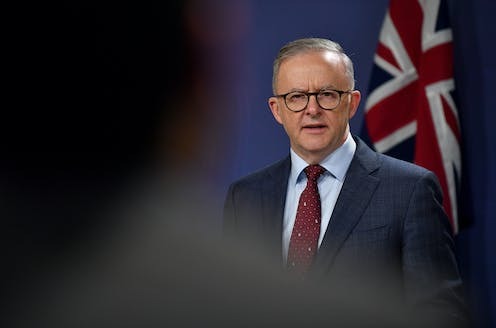
Australian Prime Minister Anthony Albanese has confirmed that the government will not repatriate Australians currently detained in a Syrian camp housing families of suspected Islamic State (ISIS) militants. Speaking to ABC News on Tuesday, Albanese reiterated Canberra’s firm stance on the issue, emphasizing that Australia would not provide assistance or facilitate the return of its citizens from the detention facility in northern Syria.
The Syrian camp, widely known for holding foreign nationals linked to ISIS fighters, has been a source of ongoing international debate. Governments around the world continue to face pressure over whether to repatriate citizens detained in such facilities, where humanitarian concerns often collide with national security priorities. Albanese made it clear that Australia’s position remains unchanged, stating, “We have a very firm view that we won’t be providing assistance or repatriation.”
According to two sources who spoke to Reuters, thirty-four Australians were briefly released from the camp on Monday. However, they were reportedly returned to the detention center shortly afterward due to what officials described as “technical reasons.” Details surrounding the nature of these technical issues have not been publicly disclosed.
The decision underscores Australia’s cautious approach to managing citizens associated with ISIS-controlled territories. Security experts have long warned that repatriating individuals from Syrian detention camps presents complex legal, logistical, and security challenges. Critics argue that leaving citizens in unstable regions could worsen humanitarian conditions, particularly for women and children, while supporters of the government’s stance maintain that domestic security must remain the top priority.
The Syrian camp in question, located in the country’s north, continues to house thousands of individuals linked to ISIS fighters. As geopolitical tensions persist and international coalitions reassess their strategies against extremism, Australia’s refusal to repatriate its citizens highlights the broader global struggle over responsibility, counterterrorism policy, and the long-term consequences of the Islamic State conflict.
With the Albanese government maintaining its firm position, the future of the detained Australians remains uncertain, adding another layer to the ongoing debate over ISIS detainees in Syria and international repatriation policies.













