


 Judge Delays SEC Settlement With Elon Musk Over Twitter Stock Disclosure Case
  TikTok Nears $400 Million Settlement With Trump Administration Over Child Privacy Lawsuit
  Australia’s Wealthy Donors Shift Support to One Nation Amid Conservative Party Decline
  Mexico President Claudia Sheinbaum Reconsiders Early School Closure Plan Ahead of 2026 World Cup
  Rubio Approves $25.8 Billion Weapons Sale to Middle East Allies
  Lula and Trump Talks Signal New Phase in Brazil-US Relations
  Federal and State Authorities Conduct Widespread Fraud Raids Across Minnesota
  Trump Inspects Lincoln Memorial Reflecting Pool Renovation in Washington
  Senate Stablecoin Bill Sparks Clash Between Banks and Crypto Industry
  New York Moves to Ban Masked Law Enforcement During Immigration Operations
  Iran Accuses U.S. of Violating Strait of Hormuz Ceasefire with Ship and Coastal Attacks
  Medicare to Cover GLP-1 Weight-Loss and Diabetes Drugs Starting July 1
  U.S.-China Beef Trade Deal Hopes Rise Ahead of Trump-Xi Summit
  Brazil Pension Fund Crackdown After Banco Master Collapse Raises Investment Concerns
  Trump Administration Releases New UFO Files and Apollo Mission Records
  US-Iran Ceasefire Under Pressure as Fresh Strait of Hormuz Clashes Shake Oil Markets
  Australia Launches Public Hearings on Bondi Beach Shooting and Rising Antisemitism


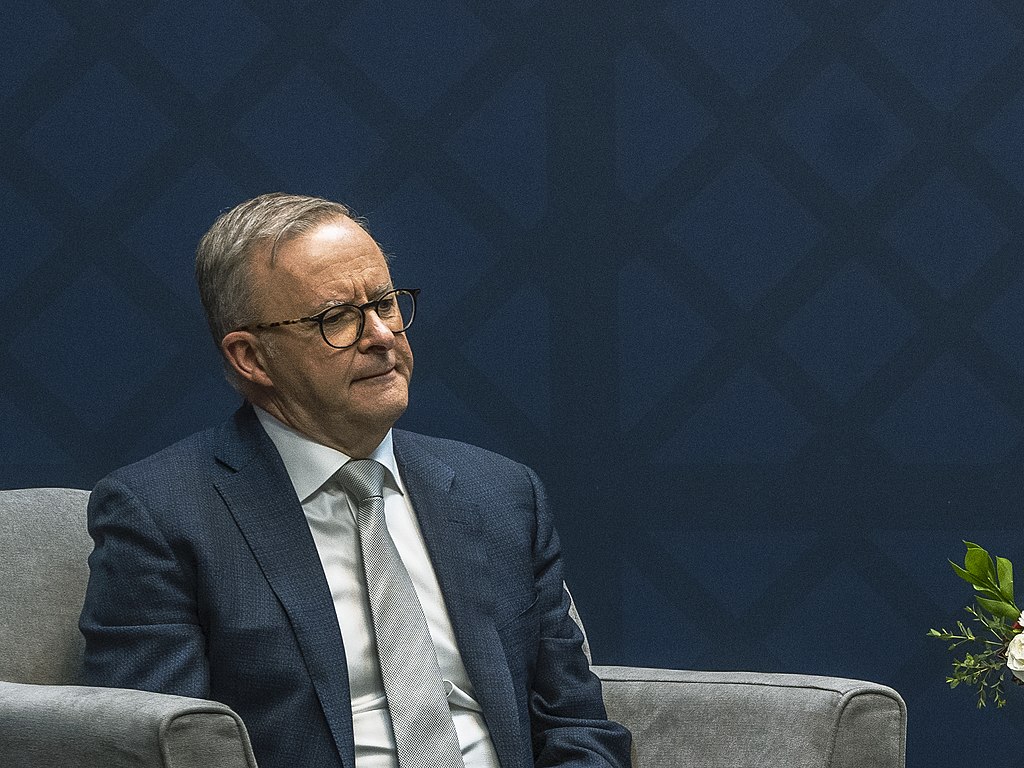
Australian Prime Minister Anthony Albanese has announced an independent review into the country’s law enforcement and security agencies following the deadly Bondi mass shooting, as pressure mounts on the government to address intelligence failures and rising antisemitism. The review comes after a shocking attack at a Jewish Hanukkah celebration at Sydney’s iconic Bondi Beach on December 14, where 15 people were killed despite Australia’s strict gun laws.
Speaking on Monday, Albanese said the independent inquiry will assess whether police and security agencies could have taken additional steps to prevent the attack. Authorities allege the attackers, a father and son, were inspired by the extremist group Islamic State. The review will specifically examine whether gaps in existing laws, intelligence-sharing failures, or information constraints prevented authorities from intervening earlier.
The mass shooting has reignited national debate around counterterrorism, public safety, and antisemitism in Australia. Families of the victims and those injured have publicly urged the government to establish a royal commission, the most powerful form of inquiry, to investigate both the attack and the broader rise in antisemitic incidents. According to Australian media reports, the families issued a strong statement demanding accountability, transparency, and answers from the government.
Albanese, however, has continued to resist calls for a royal commission, arguing that such inquiries can take years to deliver findings. He emphasized that the government needs actionable outcomes quickly. “We can’t wait years for answers. We need to get on with any changes that are required,” Albanese told reporters while outlining the review’s terms.
The prime minister also faces growing criticism from political opponents, who argue his government has failed to respond decisively to increasing antisemitism and security threats. While acknowledging the seriousness of these concerns, Albanese said the independent committee will deliver its report by April, allowing Parliament to resume early next year to consider potential legislative reforms.
The government’s decision aims to balance the demand for swift action with the need for a thorough examination of intelligence and law enforcement practices, as Australia continues to grapple with the aftermath of one of its deadliest terror-related attacks in recent years.







