


 Gold Prices Slip as U.S.-Israel-Iran War Fuels Dollar and Oil Demand
  China's Trade Surplus Surges Past Forecasts in Early 2026
  RBA Set for Back-to-Back Rate Hikes, Westpac Forecasts
  Asian Stock Markets Rise as Oil Prices Pull Back; U.S. CPI in Focus
  Dollar Steadies as Traders Await Clarity on U.S.-Israel-Iran War
  U.S. Markets Slip Amid Iran Conflict Uncertainty as Oil Prices Retreat
  Diesel Price Surge Threatens Global Economy Amid Middle East Conflict
  Asian Markets Retreat as Oil Prices Surge Toward $100 Amid Middle East Tensions
  Venezuela Names Paula Henao as New Oil Minister Amid U.S.-Led Industry Overhaul
  Bank of Japan Expected to Hold Rates at 0.75% Before June Hike Amid Middle East War Uncertainty
  Nations will release an extra 400 million barrels of oil to the market. All we need to do now is not panic at the pump
  German Exports Drop 2.3% in January, Exceeding Forecast Decline
  Dollar Stabilizes Amid Iran War Uncertainty as Oil Prices Remain Elevated
  U.S. Solar Market Contracts in 2025 as Trump Rolls Back Renewable Energy Incentives
  Iran-U.S. Oil Tensions Escalate as Revolutionary Guards Threaten Strait of Hormuz Blockade
  IEA Releases Record 400 Million Barrels of Oil Amid U.S.-Iran War
  UK Housing Market Slows Amid Geopolitical Tensions and Mortgage Rate Fears


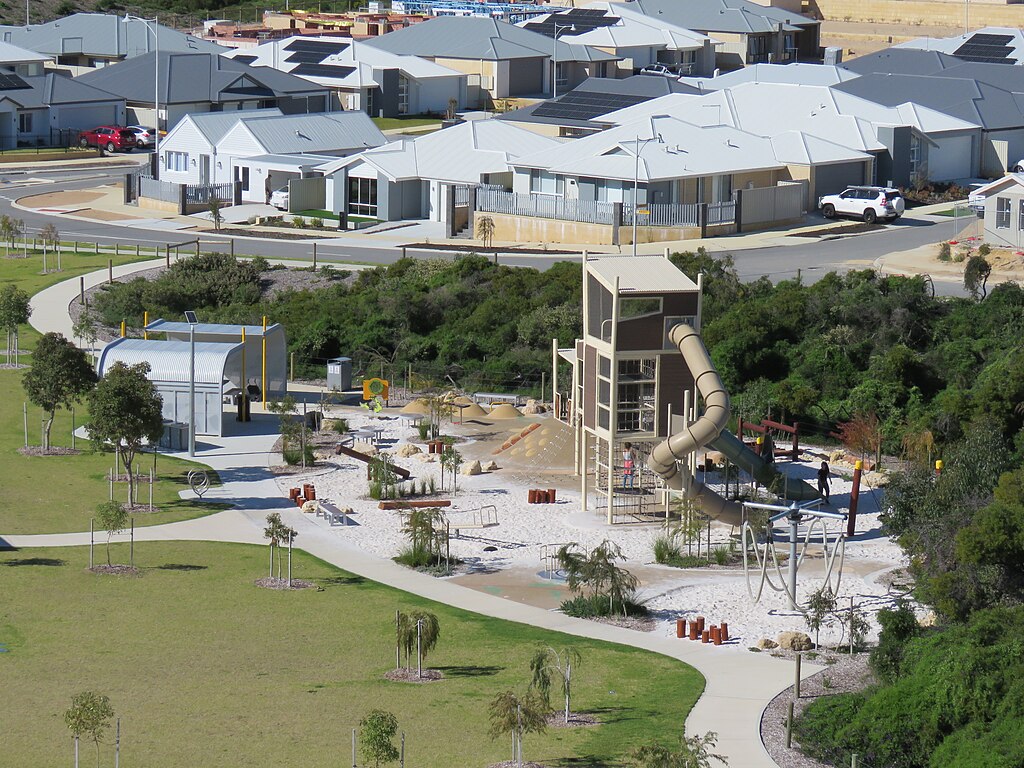
Australia’s housing market extended its upward momentum in February, with national home prices climbing to a new record high despite the Reserve Bank of Australia’s recent interest rate increase. According to fresh data from property analytics firm Cotality, rising demand in mid-sized capital cities such as Perth, Brisbane, and Adelaide offset stagnation in Sydney and Melbourne, highlighting shifting dynamics across the Australian property market.
National dwelling values increased by 0.8% in February, pushing the median home price to a record A$922,838 (approximately $649,308). Perth led the gains with a sharp 2.3% surge, while Brisbane and Adelaide recorded solid increases of 1.6% and 1.3%, respectively. Limited housing supply and tight inventory levels continued to support price growth in these more affordable capital cities, attracting strong buyer interest.
The data comes after the Reserve Bank of Australia (RBA) raised its benchmark interest rate by 25 basis points to 3.85% last month. The move followed signs of re-accelerating inflation after three rate cuts last year. Policymakers cited resilient economic conditions and rising property prices as contributing factors behind the decision to tighten monetary policy.
In contrast, housing prices in Sydney and Melbourne remained flat in February. Cotality noted a clear increase in new property listings in both cities, with advertised stock in Sydney running 9.7% above the five-year average and Melbourne nearly 12% higher. This rise in supply suggests that vendors are becoming more motivated to sell, potentially easing price pressures in Australia’s largest housing markets.
Demand remains strongest in the more affordable segments. Lower-quartile house prices in Sydney rose 0.8% over the month, while upper-quartile values fell 0.9%. Analysts say first-home buyers, investors, and upgraders are competing heavily in lower price brackets, where borrowing capacity remains less constrained by lending serviceability rules.













