


 Fed Rate Hike Threatens Housing as U.S. Growth Leans on AI, Citi Says
  Nvidia China Chip Sales Report Sends Chinese Semiconductor Stocks Lower
  Europe’s AI Data Centre Boom Strengthens Case for Nuclear Power
  China, US Extend Trade Truce Through January 10 After Trump-Xi Summit
  South Korea Exports Set for 16th Monthly Gain on AI Chip Demand
  Yen Sinks as BOJ Rate Hike Fails to Impress Markets
  Japan Warns Markets Over Yen Weakness
  BlackRock’s Rick Rieder Favors Bonds Over Stocks as Treasury Yields Surge
  Australia Budget Deficit Narrows to A$22.3 Billion on Stronger Tax Revenue
  Oil Surge Pressures Global Stocks as U.S.-Iran Truce Hopes Fade
  Oil Prices Rise as Iran Holds Firm on Strait of Hormuz Deal
  RBA Hikes Interest Rate to 4.60% as Inflation Risks Rise


 Add as a preferred source on Google
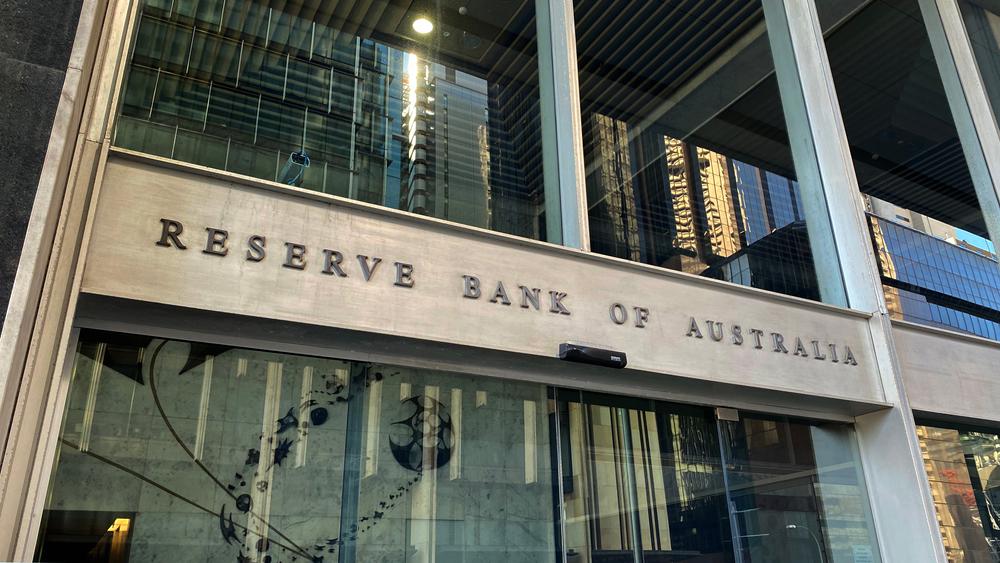
The Reserve Bank of Australia has officially ended card payment surcharges, delivering long-awaited financial relief to millions of Australian consumers. Following an extensive public review, the RBA announced that surcharge fees on eftpos, Mastercard, and Visa transactions will be prohibited beginning October 1, 2025 — a move projected to save consumers approximately A$1.6 billion annually.
Surcharging has long been a frustration for shoppers across the country. An RBA survey of 3,000 consumers found that nearly three in four Australians viewed the practice as unnecessary and wanted it eliminated. The central bank cited growing inconsistency in how surcharges were applied, enforcement difficulties, and declining cash usage as key reasons the current system had become both inefficient and confusing for everyday Australians.
Alongside the surcharge ban, the RBA plans to cap interchange fees — the charges banks collect from businesses on credit card transactions — at 0.3%, reduced from the current 0.8% rate. This cap is expected to lower costs for businesses by around A$900 million per year, though it may also put pressure on bank revenues.
Not everyone welcomes the changes. The Australian Banking Association warned that financial institutions may respond by increasing card fees, adjusting interest rates, or shortening interest-free periods to offset lost income. ABA CEO Simon Birmingham argued that reduced interchange fees would ultimately benefit large multinational payment companies rather than local businesses. The Australian Restaurant and Cafe Association similarly cautioned that merchants could raise menu prices to compensate for merchant fee costs they previously passed directly to customers.
American Express operates under a separate arrangement and will be subject to a new regulatory review beginning mid-2026, which will also examine buy-now-pay-later services, mobile wallets, and e-commerce payment platforms.
The ban marks a significant shift in Australia's payments landscape, prioritizing consumer transparency and affordability in an increasingly cashless economy.







