


 Russian Stocks End Mixed as MOEX Index Closes Flat Amid Commodity Strength
  Trump’s Inflation Claims Clash With Voters’ Cost-of-Living Reality
  Yen Slides as Japan Election Boosts Fiscal Stimulus Expectations
  Gold and Silver Prices Rebound After Volatile Week Triggered by Fed Nomination
  Trump Lifts 25% Tariff on Indian Goods in Strategic U.S.–India Trade and Energy Deal
  India–U.S. Interim Trade Pact Cuts Auto Tariffs but Leaves Tesla Out
  Singapore Budget 2026 Set for Fiscal Prudence as Growth Remains Resilient
  U.S. Stock Futures Slide as Tech Rout Deepens on Amazon Capex Shock
  Japan Economy Poised for Q4 2025 Growth as Investment and Consumption Hold Firm
  RBI Holds Repo Rate at 5.25% as India’s Growth Outlook Strengthens After U.S. Trade Deal
  Asian Stocks Slip as Tech Rout Deepens, Japan Steadies Ahead of Election
  Oil Prices Slip as U.S.-Iran Talks Ease Middle East Tensions
  Australian Household Spending Dips in December as RBA Tightens Policy
  Japanese Pharmaceutical Stocks Slide as TrumpRx.gov Launch Sparks Market Concerns
  Nikkei 225 Hits Record High Above 56,000 After Japan Election Boosts Market Confidence
  UK Starting Salaries See Strongest Growth in 18 Months as Hiring Sentiment Improves
  South Africa Eyes ECB Repo Lines as Inflation Eases and Rate Cuts Loom


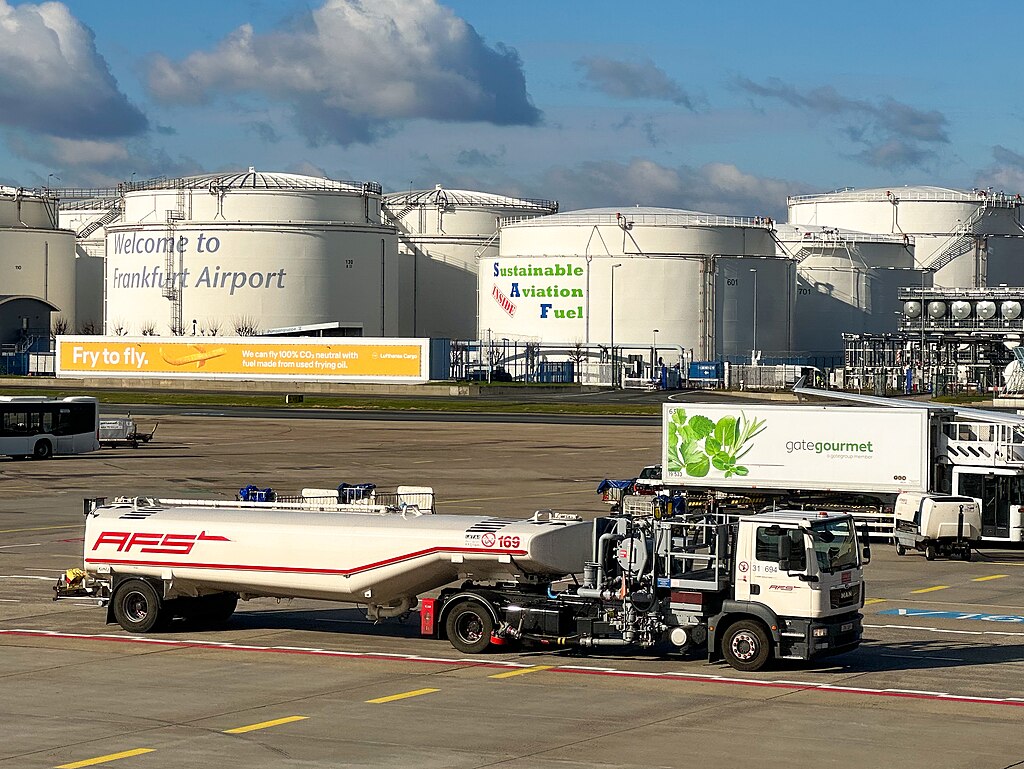
Asia’s sustainable aviation fuel (SAF) supply is set to exceed regional demand in 2024 and 2025, with new production capacity driving exports and potentially lowering prices, according to industry experts. While this benefits airlines struggling with high SAF costs, weak regional demand could impact production if prices fall below profitability.
At least five SAF projects outside China are launching this year, targeting exports, mainly to Europe, where a 2% SAF mandate is in place. In contrast, Asia’s SAF adoption remains slow, with Singapore and Thailand set to enforce a 1% mandate in 2026, followed by South Korea in 2027 and Japan with a 10% goal by 2030. The lack of uniform policies across Asia has led to project delays, especially in China.
Despite airlines like Cathay Pacific and Air New Zealand voluntarily using SAF to boost sustainability credentials, overall adoption lags. The Association of Asia Pacific Airlines targets just 5% SAF usage by 2030.
Asia’s SAF production capacity is projected to reach 3.5 million metric tons annually by 2025, up from 1.24 million in 2024. However, demand remains weak, keeping Asia a net SAF exporter through 2026. In 2024, over 370,000 tons were exported, primarily from Neste’s Singapore plant. Producers like Cosmo Energy, PTT Global Chemical, and Bangchak Petroleum are ramping up supply, with Malaysia’s EcoCeres adding 420,000 tpy by late 2025.
SAF prices, previously three times higher than jet fuel, have narrowed to 2.4 times in 2024. While production costs range from $500 to $600 per ton, market prices remain around $1,700 per ton. With slow adoption, Asia’s SAF oversupply is expected to continue, maintaining downward pressure on prices while boosting exports to regions with stronger mandates.













