


 Alphabet Earnings Surge on AI Growth, Cloud Revenue, and Strong Search Performance
  Novartis Q1 2026 Earnings Miss Expectations as Generic Competition Pressures Sales
  China’s Ultra-Cheap EV Boom: Why Electric Cars Cost Far Less Than in the U.S.
  Wall Street Surges to Record Highs Amid Strong Earnings and Economic Stability
  US Stock Futures Mixed as Fed Holds Rates, Oil Prices Surge, and Big Tech Earnings Drive Market Moves
  Panama Defends Port Takeover Amid U.S.-China Tensions and Canal Dispute
  Lightelligence IPO Soars Over 400% in Hong Kong Debut Amid Rising AI Investment Demand
  Nippon Express Stock Jumps as Elliott Investment Signals Strong Foreign Interest in Japan Logistics Sector
  Why Paycom Was Named a 2026 Platinum Employer on the Where You Work Matters List
  Gold Prices Hold Steady as Iran War and Interest Rate Outlook Weigh on Markets
  OpenAI Faces Revenue Pressure and User Growth Challenges Ahead of IPO
  Stock Market Update: Fed Holds Rates Steady as Tech Earnings and Geopolitical Tensions Shape Outlook
  AstraZeneca Q1 2026 Earnings Surge on Strong Oncology and Rare Disease Drug Sales
  Amazon Stock Dips Despite Record Earnings as AI Infrastructure Spending Surges
  Tokyo Inflation Slows Despite Energy Pressures and BOJ Policy Outlook
  Pershing Square Raises $5 Billion in Landmark U.S. IPO and Share Placement
  Markets Stay Strong Despite Oil Shock Concerns as Earnings Drive Investor Confidence


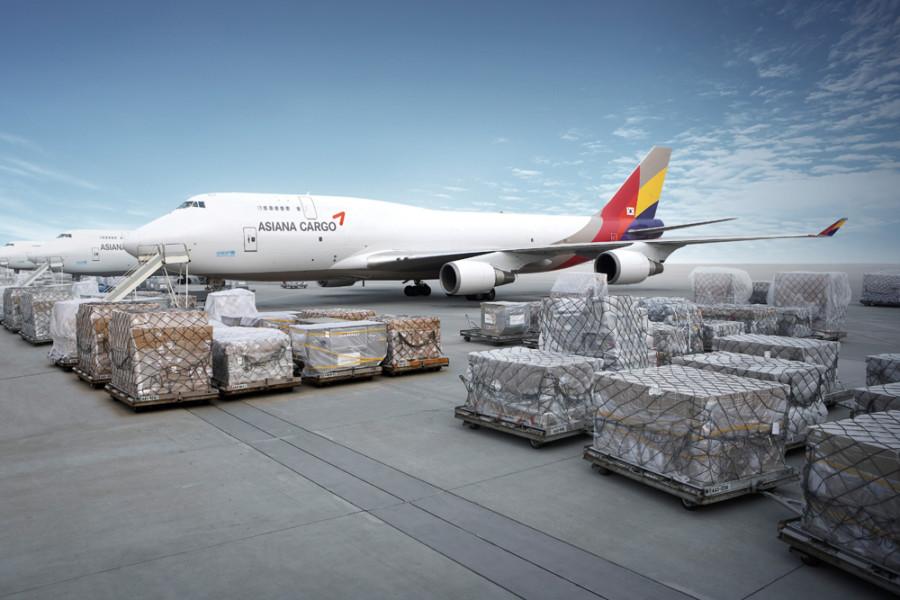
Asiana Airlines Inc.'s net losses narrowed to 230.4 billion won in the first quarter from 549 billion won a year earlier as increased cargo sales helped offset a slump in passenger travel.
The operating loss of South Korea's second-biggest airline narrowed to 11.2 billion won in the first three months of the year from 208.2 billion won in the same period last year.
Sales increased 30.6 percent on-year to 783.4 billion won.
Asiana suspended most of its international flights since March last year due to coronavirus-triggered cross-border travel restrictions.
The airline has since converted four passenger jets into cargo planes to service rising cargo demand for electronics, IT, protective equipment, and other items.







