


 Chinese AI Stocks Surge as Tencent, MiniMax, and Zhipu Launch Agentic AI Programs
  Nations will release an extra 400 million barrels of oil to the market. All we need to do now is not panic at the pump
  Dollar Stabilizes Amid Iran War Uncertainty as Oil Prices Remain Elevated
  Venezuela Names Paula Henao as New Oil Minister Amid U.S.-Led Industry Overhaul
  Bank of Japan Expected to Hold Rates at 0.75% Before June Hike Amid Middle East War Uncertainty
  Trump Administration Launches Trade Investigations Against 16 Countries Over Industrial Overcapacity
  Iran-Israel War Sparks Global Oil Crisis as Tankers Burn in Gulf Waters
  U.S. Markets Slip Amid Iran Conflict Uncertainty as Oil Prices Retreat
  RBA Rate Decision: Deputy Governor Signals Genuine Debate Ahead of March Meeting
  U.S. Futures Slide as Oil Prices Surge on Middle East Shipping Attacks
  China's Trade Surplus Surges Past Forecasts in Early 2026
  Dollar Steadies as Traders Await Clarity on U.S.-Israel-Iran War
  UK Housing Market Slows Amid Geopolitical Tensions and Mortgage Rate Fears
  Asia FX Steady as Iran War Signals and U.S. Inflation Data Weigh on Sentiment
  Oil Prices Surge Toward $100/Barrel After Tanker Attacks in Iraqi Waters
  Asian Stock Markets Rise as Oil Prices Pull Back; U.S. CPI in Focus


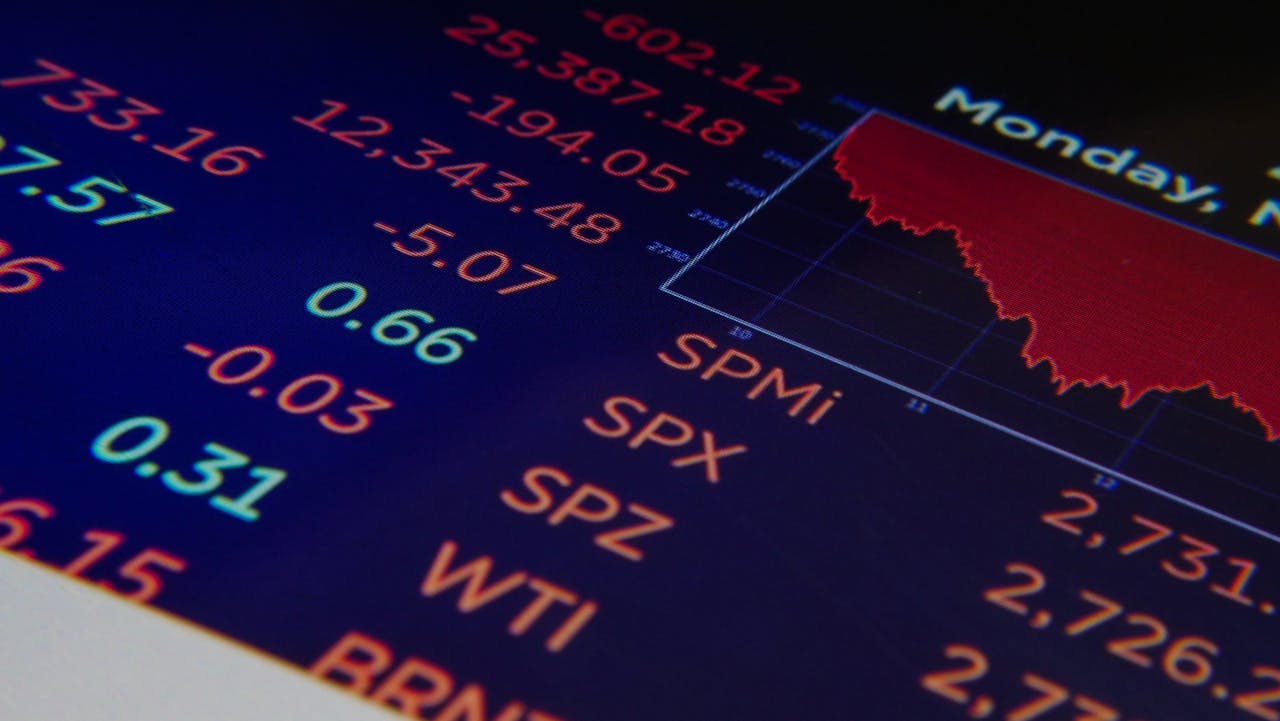
Asian stocks declined broadly on Tuesday, extending sharp losses from the previous session as investors remained cautious amid rising geopolitical tensions and political uncertainty. Regional markets were unsettled by renewed demands from U.S. President Donald Trump for Greenland, combined with limited cues from Wall Street due to a U.S. market holiday. Risk appetite across Asia stayed subdued, despite some support from Chinese economic data.
Japanese equities led losses in the region, with the Nikkei 225 and TOPIX indexes each falling around 1%. The decline came even as Japanese Prime Minister Sanae Takaichi announced plans to dissolve parliament on Friday and call a snap election for early February. While the move initially raised hopes of expanded fiscal stimulus, markets quickly grew concerned about how Japan would finance higher government spending, tax cuts, and increased defense outlays. These concerns triggered a sharp selloff in Japanese government bonds, sending the 10-year yield above 4% for the first time in nearly three decades, adding pressure on equities.
Broader Asian markets also retreated as investors reacted to Trump’s remarks suggesting tariffs on European nations unless Greenland is handed over to the United States. Trump further unsettled markets by not ruling out military force, reviving fears of geopolitical escalation after a recent U.S. incursion in Venezuela. European leaders rejected the demands, with some warning of potential retaliatory measures, heightening global market anxiety.
Chinese stocks saw modest losses, with the CSI 300 and Shanghai Composite each down about 0.5%, while Hong Kong’s Hang Seng Index slipped 0.3%. Markets took limited comfort from China’s GDP data showing the economy met its 5% growth target for 2025, although fourth-quarter growth slowed. Australia’s ASX 200 fell 0.6%, dragged lower by a sharp decline in BHP shares after the miner warned of weaker iron ore prices. South Korea’s KOSPI outperformed, trading flat near record highs, while other regional benchmarks were mostly subdued.













