


 Asian Stocks Slip as AI Rally Fades, Oil Holds Steady on Iran Peace Deal Hopes
  Indonesia Q2 2026 GDP Growth Beats Forecast Despite Market Concerns
  Gold Price Holds Steady as Fed Rate Outlook and Jobs Data Keep Markets on Edge
  Japan Economy Minister Downplays Inflation Risks Despite BOJ Warning
  Brazil Cuts Selic Rate to 14% as Inflation Eases but Risks Persist
  India Plans Tax Reforms to Boost Foreign Investment and Manufacturing
  German Bund Yields Hit Three-Week Low as Energy Prices Ease and ECB Outlook Softens
  Asian Stocks Slide as Semiconductor Selloff Weighs on South Korea and Japan
  BOJ Minutes Signal More Rate Hikes as Inflation Risks Grow
  Trump Says U.S.-Iran Talks Progressing as Hopes Rise for Strait of Hormuz Reopening
  Asian Stocks Rise as AI Optimism Returns, Australia Hits Record High Ahead of RBI Decision
  Oil Prices Slip as Hormuz Shipping Progress and Rising U.S. Crude Stocks Weigh on Market
  UK Services PMI Returns to Growth in July as New Orders and Confidence Rebound
  European Stocks Near Record Highs as Earnings Strength Offsets Geopolitical Concerns
  RBI Holds Repo Rate at 5.25% as Inflation Risks and Global Uncertainty Persist
  European Natural Gas Prices Hold Near Three-Week Lows Amid Middle East Talks and Supply Concerns


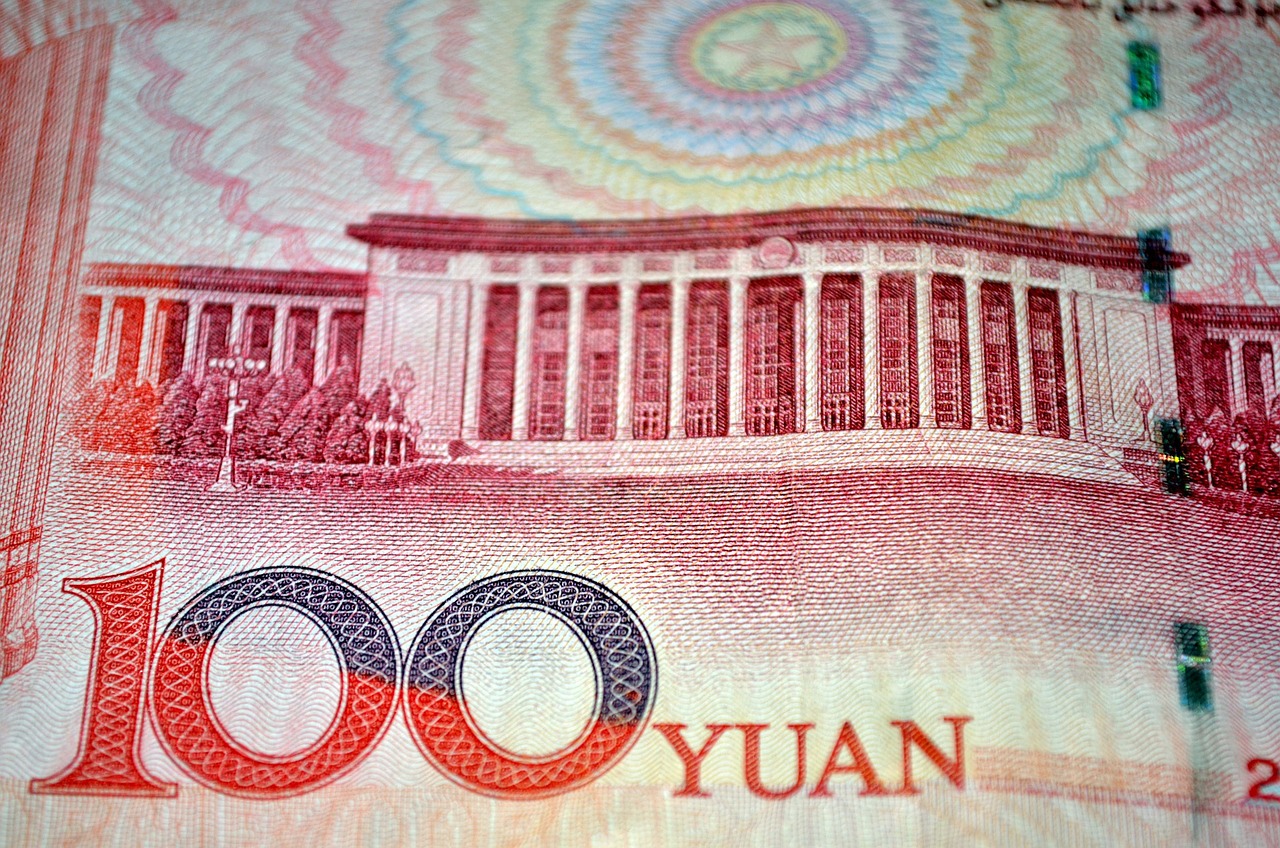
Asian currencies traded in a narrow range on Thursday as the U.S. dollar hovered near a seven-week low, with investors closely watching Middle East diplomatic developments and upcoming U.S. labor market data for clues on the Federal Reserve's next interest rate decision.
The U.S. Dollar Index remained around 99.7 after falling to its weakest level since mid-June in the previous session. Market participants are largely staying on the sidelines ahead of Thursday's weekly jobless claims report and Friday's closely watched nonfarm payrolls data, which could shape expectations for future Fed policy.
The Japanese yen was little changed, with the USD/JPY pair trading near 157.7. While recent gains were supported by suspected government intervention, the yen struggled to extend its rally as investors weighed the Bank of Japan's outlook. BOJ officials have continued to signal that persistent domestic inflation could justify additional interest rate hikes over time.
China's onshore and offshore yuan also remained stable, while the South Korean won posted modest gains against the U.S. dollar. The Singapore dollar and Indian rupee saw limited movement, reflecting cautious market sentiment across the region.
Investor confidence remained restrained despite signs of progress in Middle East negotiations. Iran announced it had reached a preliminary understanding with Oman on a proposed shipping route through the Strait of Hormuz, a vital global oil transit corridor. However, unresolved issues continue to cloud the outlook. Although U.S. President Donald Trump said an agreement could be close, Iranian officials reiterated that discussions are taking place only with Oman, highlighting ongoing uncertainty.
Meanwhile, Australia reported a return to a trade surplus in June as exports, led by stronger non-monetary gold shipments, rebounded while imports eased. The Australian dollar slipped slightly following the data release.
The Indian rupee remained one of Asia's stronger-performing currencies after gaining in five of the previous seven sessions. Lower crude oil prices and the Reserve Bank of India's decision to keep its benchmark repo rate unchanged at 5.25% continued to support the currency.
With geopolitical risks and economic uncertainty still in focus, traders are expected to remain cautious until fresh U.S. employment data provides clearer direction for the dollar and global currency markets.







