


 Asian Markets Rally as Oil Prices Tumble and Middle East Peace Hopes Emerge
  U.S. Oil Prices Slide as Middle East Ceasefire Talks Spark Market Optimism
  Oil Prices Rebound as Iran Denies U.S. Talks Amid Gulf War Supply Fears
  Gold Prices Surge on U.S.-Iran Ceasefire Reports
  U.S. Futures Slide as Iran Denies Nuclear Talks with Washington
  Australia-EU Free Trade Deal Signed After Years of Negotiations
  U.S. Dollar Weakens as Trump Signals Iran Deal Possibility
  Gold Prices Climb as Middle East Ceasefire Talks Stir Market Optimism
  Oil Prices Climb as Iran Reviews U.S. Peace Proposal Amid Middle East Tensions
  Iran-Israel Missile Strikes Continue Amid Mixed Signals on U.S.-Iran Diplomacy
  Currency Markets Show Caution Amid U.S.-Iran Negotiations
  U.S. Stock Futures Steady as Iran Reviews U.S. Ceasefire Proposal
  Japan's Private Sector Growth Slows in March Amid Rising Costs and Middle East Uncertainty
  Federal Reserve Balance Sheet Reduction: Brookings Research Outlines Possible Path Forward
  Suspicious Oil Market Trades Precede Trump's Iran Peace Post by 15 Minutes


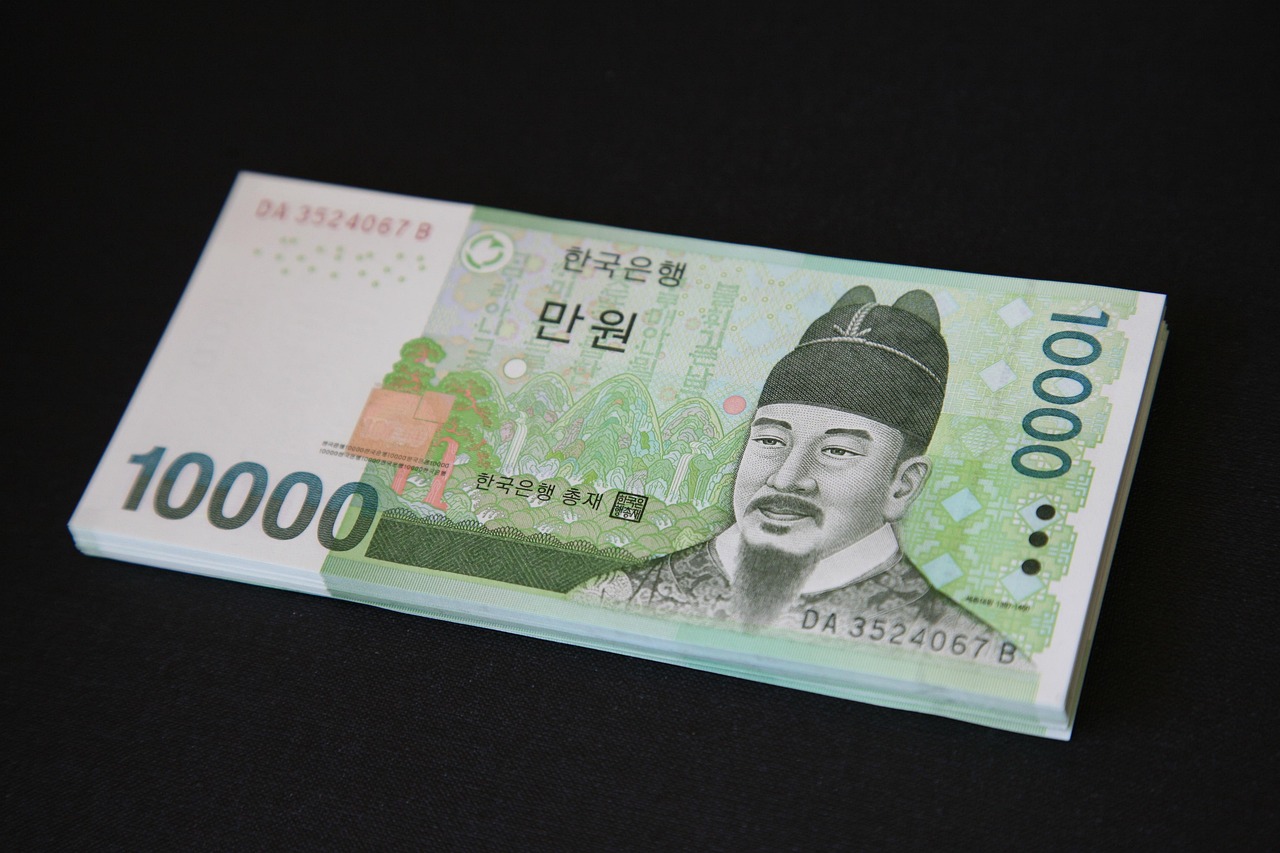
Asian currencies edged higher on Thursday, supported by a weaker U.S. dollar as investor concerns grew over mounting U.S. debt and fiscal instability. The U.S. Dollar Index slipped 0.1%, marking its fourth consecutive day of losses, as markets turned cautious ahead of a crucial House vote on President Donald Trump’s new tax cut proposal.
The proposed legislation aims to extend the 2017 tax cuts and introduce additional tax breaks. However, critics warn that it could add between $3 trillion and $5 trillion to the national debt over the next decade, potentially deepening the U.S. fiscal deficit. Moody’s recently downgraded the U.S. credit rating from "Aaa" to "Aa1", citing rising debt levels, which added pressure on the greenback.
Investors are also watching the G7 finance ministers’ meeting in Canada, where discussions on global economic stability and potential currency agreements are expected. Analysts at ING noted that U.S. Treasury Secretary Scott Bessent’s upcoming bilateral meetings could provide clues on international currency policy coordination.
Despite broader gains in Asia, the South Korean won weakened, with the USD/KRW pair climbing 0.5%, reversing sharp gains from the previous session amid U.S. pressure on Seoul to support the won. The Japanese yen also dipped, with USD/JPY up 0.4%, even after officials from both countries stated that current exchange rates reflect market fundamentals.
Other regional currencies remained stable. The offshore and onshore Chinese yuan pairs were largely flat, while the Australian dollar held steady. The Singapore dollar and Indian rupee saw modest strength, with USD/SGD and USD/INR both slipping 0.1%.
As debt concerns weigh on the dollar, currency markets remain sensitive to U.S. fiscal developments and global economic policy signals.













