


 U.S.-Israel War on Iran Sends Crude Oil Prices Surging Amid Strait of Hormuz Tensions
  Iran-U.S. Oil Tensions Escalate as Revolutionary Guards Threaten Strait of Hormuz Blockade
  Asian Markets Retreat as Oil Prices Surge Toward $100 Amid Middle East Tensions
  Bank of Japan Expected to Hold Rates at 0.75% Before June Hike Amid Middle East War Uncertainty
  RBA Set for Back-to-Back Rate Hikes, Westpac Forecasts
  Asian Stock Markets Rise as Oil Prices Pull Back; U.S. CPI in Focus
  Trump Doubts Iran Mining Reports as Strait of Hormuz Tensions Escalate
  Chinese AI Stocks Surge as Tencent, MiniMax, and Zhipu Launch Agentic AI Programs
  Pentagon Taps Wall Street Talent to Manage $200 Billion Defense Investment Fund
  Shots Fired at U.S. Consulate in Toronto in Suspected National Security Incident
  Dollar Stabilizes Amid Iran War Uncertainty as Oil Prices Remain Elevated
  Taiwan's MQ-9B SkyGuardian Drone Order Stays on Schedule Despite Middle East Conflict
  IEA Plans Record Emergency Oil Release Amid Iran Strait of Hormuz Crisis
  IEA Releases Record 400 Million Barrels of Oil Amid U.S.-Iran War
  UK Housing Market Slows Amid Geopolitical Tensions and Mortgage Rate Fears
  U.S. Senate Greenlights AI Chatbots for Official Staff Use


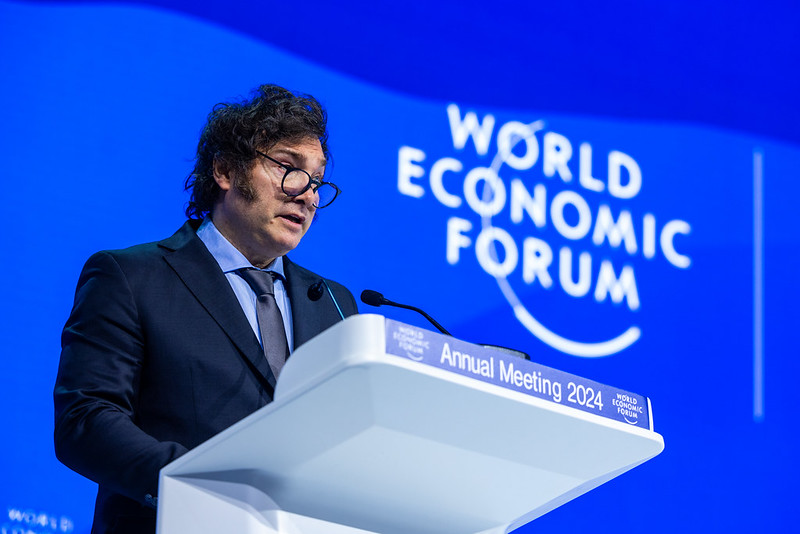
Argentina’s Congress has approved the country’s 2026 national budget, marking the first budget bill passed by legislators since President Javier Milei assumed office in late 2023. The budget was approved on Friday by a vote of 46 to 25, with one abstention, signaling a shift after two years of provisional spending extensions under Milei’s administration.
The 2026 budget outlines total spending of $102 billion, equivalent to 148 billion Argentine pesos, and projects economic growth of 5% for South America’s second-largest economy. Inflation is forecast at 10.1%, while the government expects a primary fiscal surplus equal to 1.2% of gross domestic product, reinforcing Milei’s commitment to fiscal discipline and austerity measures.
The last budget formally approved by Congress was in 2023. During Milei’s first two years in office, the government extended prior budgets without legislative approval, a move that left many sectors exposed to surging inflation. Inflation peaked at nearly 300% annually in April 2024, severely eroding real spending levels across public services.
According to an analysis by the Civil Association for Equality and Justice (ACIJ), the new budget represents a 7% real-term increase compared to 2025 but remains 24.6% lower in real terms than the 2023 Congress-approved budget. The think tank also cautioned that the government’s inflation assumptions may be overly optimistic compared to independent projections.
While the 2026 budget increases allocations for social services such as health care, education, and social security, ACIJ noted that these gains do not fully offset steep funding declines from previous years. Milei’s austerity-driven agenda has sparked widespread protests, despite Argentina recording its first budget surplus in over a decade in 2024.
Following strong results in the October midterm elections, Milei’s La Libertad Avanza party has expanded its influence in Congress, becoming the largest minority in the lower house and strengthening its Senate presence. The government expects this momentum to support upcoming labor and tax system reforms in the months ahead.













