


 Berkshire Hathaway and Tokio Marine Form Major Strategic Insurance Partnership
  Jeff Bezos Eyes $100 Billion Fund to Transform Manufacturing With AI
  Judge Dismisses Sam Altman Sexual Abuse Lawsuit, But Sister Can Refile
  Palantir's Maven AI Earns Pentagon "Program of Record" Status, Reshaping Military AI Strategy
  CK Hutchison's Panama Ports Dispute Escalates as Arbitration Claims Surpass $2 Billion
  Malaysia Semiconductor Industry Eyes Helium Supply Risks Amid Middle East Conflict
  Elliott Investment Management Takes Multibillion-Dollar Stake in Synopsys
  Sonova Shares Slip as Hearing Aid Giant Lowers Growth Outlook and Plans Sennheiser Exit
  Explosion and Fire Erupt at Valero Oil Refinery in Port Arthur, Texas
  Rio Tinto's Resolution Copper Mine: U.S. Smelting Challenges and Global Operations Update
  Merck's $6 Billion Bid for Terns Pharma Signals Bold Oncology Push
  Apple Defies China's Smartphone Slump with Strong Early 2026 Sales
  Elon Musk Confirms SpaceX, xAI, and Tesla Will Continue Large-Scale Nvidia Chip Orders
  Global Flight Cancellations 2026: Middle East Air Travel Chaos Explained
  OpenAI Pulls the Plug on Sora, Ending $1 Billion Disney Partnership
  Micron Technology Beats Q2 Earnings Estimates, Issues Strong AI-Driven Outlook
  Super Micro Computer Shares Plunge After Co-Founder Charged in AI Chip Smuggling Case


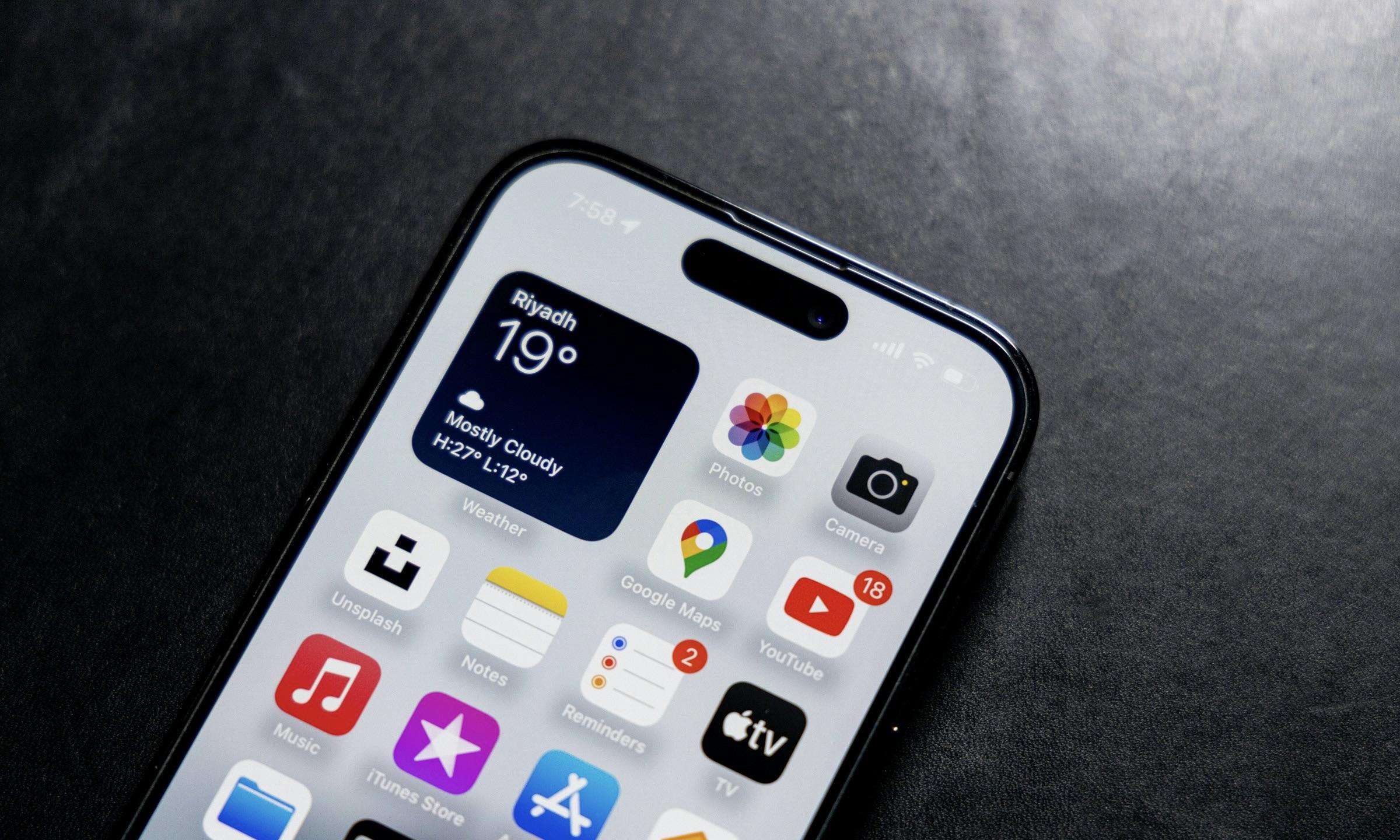
A groundbreaking Apple patent reveals a futuristic method to unlock devices using your unique heartbeat, setting a new standard for security and convenience.
ECG Tracks Unique Heartbeat
In the future, Apple plans to make it so that your Apple Watch or future iPhone may detect your unique heartbeat and unlock your smartphone with the simple wave of a finger.
Through its electrocardiogram (ECG) app, the Apple Watch is able to track each individual's heartbeat. Apple details a method for user identification using their unique heart rate and other physiological parameters in a patent that was just issued.
Heart Patterns Boost Security
By utilizing this technology, all of your devices can be unlocked just by continuing to wear your Apple Watch. You may speed up the identification process and boost security by using your heart patterns as a verification rather than a password or fingerprint scan.
Take Apple Watches as an example; at the moment, you can't use them to unlock Macs without first entering a passcode. You might bypass the need to input a password or passcode by simply strapping your Apple Watch to your chest and collecting an electrocardiogram reading. You can use your watch as an authentication token to gain access to other devices as long as you keep it on your wrist.
AppleInsider elaborates that two points of contact are required for an electrocardiogram (ECG) readout. The Apple device's digital crown and rear of the device house its sensors. A digital crown touch initiates a circuit that permits the measurement of the heart when the ECG app is launched.
Heart-Measuring Gadget in iPhone
By just holding the iPhone properly, it would be able to authenticate using heart rate, according to Apple's patent. A heart-measuring gadget would be built into the entire iPhone casing.
The patent goes on to mention that electrocardiogram data can be used to determine the user's "mood." Using heart rate data collected while exercising as an example, Apple suggests listening to music at the perfect tempo to complement the exercise.
For instance, during a user's workout, the app may stream a faster-paced song, and during their cooldown, it could automatically play a slower-paced song.
All four of these people—Andrew B. Hodge, Gloria Lin, and Taido L. Makajima—were named in the patent. One of Lin's many patents is for user identification using data other than biometrics.













