


 Xi Jinping Calls for People-Centered AI Development at WAIC, Expands Global Cooperation
  SpaceX Stock Falls Below IPO Price as Investors Weigh Losses and Lockup Expiry
  Nationwide Data Center Protests Highlight Growing Backlash Against AI Expansion
  KAIST, Stanford Develop Self-Dressing Robot for Cleanrooms and Emergency Gear
  Apple Intelligence China Approval Lifts Alibaba and Baidu Shares
  Morgan Stanley Downgrades Adobe, Workday as AI Transition Raises Growth Concerns
  Seven & i Eyes Żabka Stake in Major European Expansion Push
  Jamie Dimon Warns Anthropic's Mythos AI Poses National Security Risks
  Chalco Shares Jump as Chinalco Plans Up to $300 Million Stake Increase
  Samsung Cuts U.S. Consumer Electronics Jobs as Headquarters Moves to Texas
  xAI Sues Man for Allegedly Using Grok to Generate AI Child Abuse Deepfakes
  Nvidia Reveals 9.3% Stake in AI Cloud Firm Nebius Following $2 Billion Investment
  Foxconn Wins First SpaceX AI Server Contract Worth Estimated $52 Billion
  GM Q2 Earnings Beat Estimates as General Motors Raises 2026 Profit Outlook
  Apple Intelligence Cleared for China as Alibaba and Baidu AI Power iPhone Features
  Alibaba Stock Jumps as China Approves Apple Intelligence Powered by Qwen AI
  Nvidia Partners With Fanuc and Yaskawa to Accelerate AI Robotics in Japan


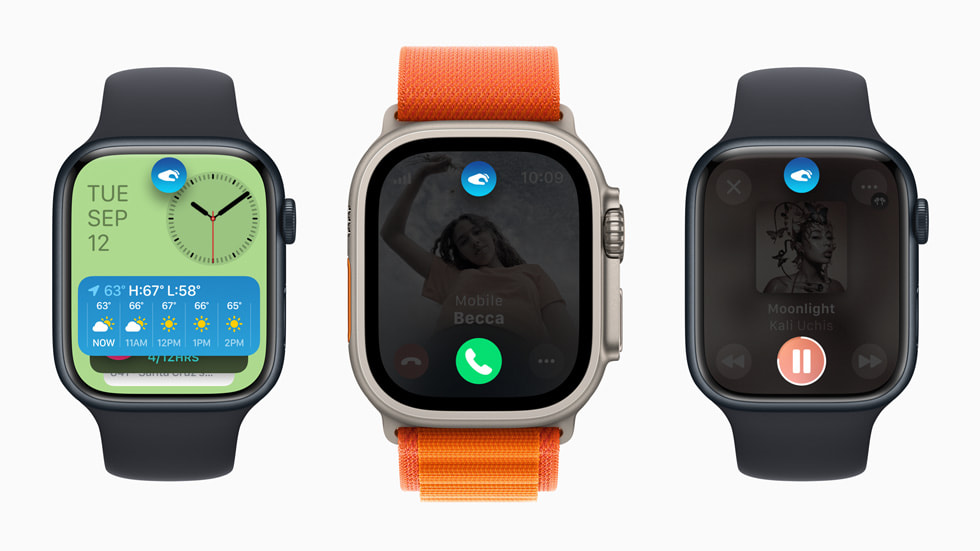
On January 17th, Apple announced its plan to eliminate the blood oxygen monitoring feature from two flagship Apple Watch models in the United States. This move comes as the tech giant engages in a legal battle over patents related to the technology underpinning the feature.
Legal Battle and Anticipated Action
Anticipating a protracted legal dispute, industry analysts expected Apple to disable or withdraw the feature marketed for fitness purposes. However, removing the devices from sale within one of its key markets surprised many.
Reuters reported that following the decision, Apple stated that the Apple Watch Series 9 and Ultra 2 models, now without the blood oxygen monitoring feature, would be available for purchase online and in stores across the US starting January 18th.
It is important to note that existing Apple Watches remain unaffected by these changes, and devices sold outside the US are also not impacted.
Apple shares closed 0.5% lower at US$182.68 after the US Court of Appeals for the Federal Circuit ruled on January 17th that the company could no longer sell the models involved in the legal dispute with medical technology company Masimo. According to the Straits Times, Apple's smartwatches account for approximately a quarter of the global smartwatch market.
Masimo's Perspective
Joe Kiani, Masimo's founder and chief executive, expressed satisfaction with the court ruling, stating that it reinforces the importance of respecting the intellectual rights of American inventors. Kiani emphasized that even the largest and most influential companies must face the consequences when infringing upon others' patents.
In 2023, around 42% of Apple's overall revenue was derived from North America. Apple Watch is the cornerstone of the company's wearables sales segment, contributing approximately US$39.84 billion to Apple's total revenue of US$383.29 billion during fiscal 2023.
The ITC imposed an import ban on Series 9 and Ultra 2 Apple Watches on December 26th. Still, the Federal Circuit temporarily lifted the ban on December 27th while considering Apple's request for an extended suspension. Consequently, Apple resumed sales of the smartwatches later that day.
Accusations and Countersuits
Masimo alleges that Apple poached its employees and appropriated its pulse oximetry technology for use in Apple Watches. The ITC initially banned imports of Apple Watches capable of reading blood oxygen levels following a complaint filed by Masimo.
In response, Apple countersued Masimo for patent infringement, characterizing Masimo's legal actions as an attempt to pave the way for its competing watch.
Photo: Apple Newsroom







